Explore jobs
Find specific jobs
Explore careers
Explore professions
Best companies
Explore companies
This question is about event planner.
How to become an event planner with no experience
To become an event planner with no experience, you must get an education, obtain certifications, and determine your niche in event planning. For more details on each of these steps and others you can take to become an event planner with no experience, use this guide:
Get the proper education. Event planners often have various educational backgrounds. There are specific degrees you can get in the area, but there are also helpful degrees and courses you can take otherwise.
Some choose to get a degree in hotel and restaurant management. This is an acceptable degree because it gives you great foundational knowledge on how to manage large organizations. Since events tend to be on the larger side, this degree can be quite helpful.
Marketing is essential to event planning. A marketing degree can help you in event planning by learning how to attract guests to an event through the use of marketing materials, such as advertisements, mass emails, brochures, and other promotional materials.
Even if you don't have a degree in marketing, it would be a smart move to take some marketing courses while in college.
Public relations is the study of a professional who acts as a liaison between the public and an organization. A degree in this area also would give you practical skills associated with event planning, such as leadership, people management, and the need to facilitate relationships with subcontractors for specific business projects. All of these skills apply to event planning.
Obtain professional certifications. Some universities and colleges offer certifications in event planning.
Outside of the university setting, you can obtain certifications associated with event planning. The Certified Meeting Professional (CMP) is given by the Convention Industry Council (CIC) and is a great basic one to have.
The Certified Special Events Professional (CSEP) is recommended by the International Live Events Association (ILEA). Certified in Exhibition Management (CEM) is another excellent certification to obtain for event planning. It is given by the International Association of Exhibitions and Events (IAEE).
Determine your niche of event planning. To be successful in event planning, you should specialize in certain kinds of events. This way, clients, organizations, and companies will know you have a solid track record in launching a specific type of event.
There are so many different kinds of functions that fall in the arena of event planning. Large-scale ones include political conventions, music festivals, and hobbyist conventions like Comic-Con, as well as many other high-attendance gatherings.
Clearly, you won't be able to become an event planner on this scale right out of the gate, but it is important to know if this is your ultimate goal; then, you can dictate what types of smaller events you can plan when you are just starting out.
Smaller event planning jobs include birthday parties, high-school reunions, work retreats, and small conferences associated with less popular subjects.
Creating a niche for yourself as an event planner increases your marketability since clients will seek out planners that have put together similar events. This is also important because you want to build up your work portfolio with events that are similar, so you can be known as a specific type of event planner.
Attend different local events to try and get a sense of what types of events you find the most interesting or exciting. This is also a great opportunity to learn, so when you go, try to stay in a professional mind-frame and observe how the event is structured, how the space is utilized, and make notes of these and other key details.
You can actually learn a lot just from attending events with an observational eye. You can also introduce yourself to the event planners and try to gain some contacts in the industry.
Utilize social media. This is critical for marketing any event in modern times. You should become well-versed in all relevant social media platforms. Look at examples of how others promote events online and take notes.
You should also use social media to reach out and connect with other professionals in the event planning industry.
You may even be able to gain a mentor or find a lead to a job in event planning. Networking is crucial in this industry because event planning, on a very basic level, is the ability to bring people together.
Most employers also prefer event planners that have social media experience and skills.
Do volunteer work. Volunteering for different events is a great way to gain experience and key insights into how event planning actually works in real time. These can be events put on by companies, nonprofits, music associations, or any other organization.
Try to volunteer for events that are related to the ones you would like to plan professionally in the future. However, if you can't find any that match, volunteering for just about any event will be useful.
Create an impressive work portfolio. When first starting out, it is important to include any, and all events that you have planned were a paid employee of or volunteered for. This is meant to showcase the variety of experiences you have associated with event planning.
As you gain more experience and organized more events, start to hone your portfolio to reflect the types of event planning you are most interested in.
In addition, if you start to have experience in planning many different kinds of events, you can create individual work portfolios for each type of event. That way, you'll have several work portfolios suitable for many different clients.
Within your portfolio, you should also include hard data about the events you have planned. This is critical to showcase your events' impacts, like the number of people in attendance, the number of tickets sold, or money that was fundraised. Giving these important stats can highlight your event planning expertise.
You should also include photos and even videos of your events in your work portfolio. This gives clients the best sense of what to expect event experience-wise when they are considering hiring you. These also highlight your decorative abilities.
Craft a website. You should have a website to display your services as an event planner. Here you can upload your work portfolio(s) and give a more detailed breakdown of your experience and services as an event planner.
Create a contact form for the website that lists your contact info (phone numbers, email, business address), and you should also utilize this form to get the contact information of your prospective clients; this way, you can start building a database of clientele.
You should also provide links to your website on all of your social media platforms. This makes it easy for prospective clients to get in touch with you.
Seek out event management companies. Even if your ultimate goal is to be a freelance event planner or to run your own event planning business, you might want to consider starting your career at an event management company.
You can find job listings for positions at these companies on professional career websites. Try to find companies that line up with the event planning you are interested in.
You can also consider internship programs at these companies. Internships are valuable opportunities to gain experience and learn from professionals. Sometimes they can also turn into full-time paid positions.
In addition, you can also seek out roles in advertising, marketing, social media, public relations, and communications. These types of positions offer great ways to learn about the different facets of event planning.
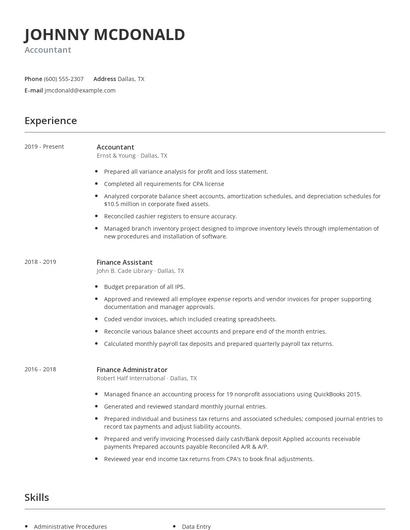
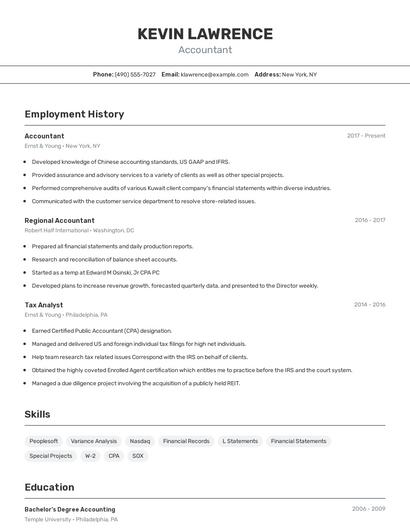
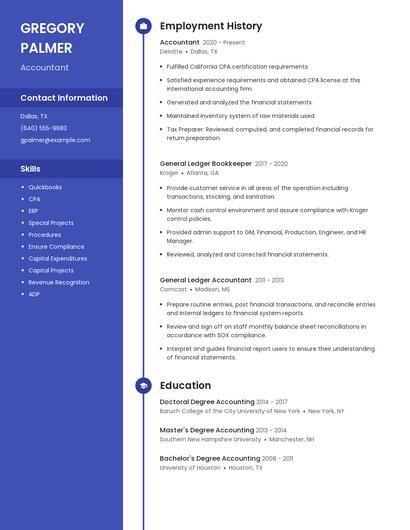
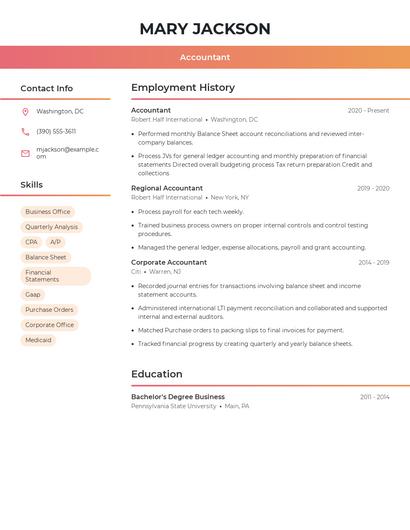
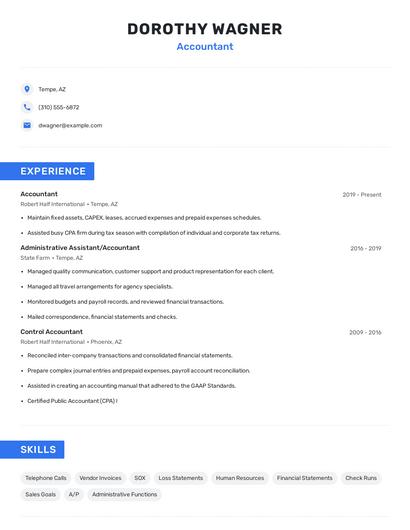
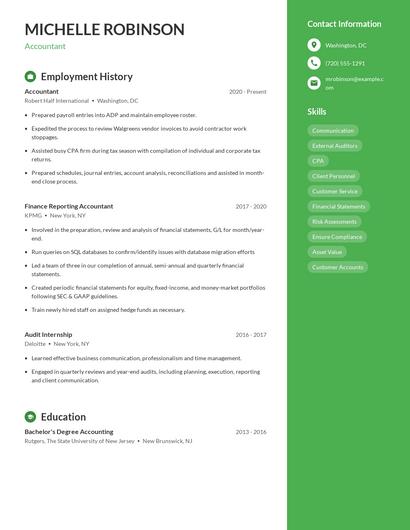
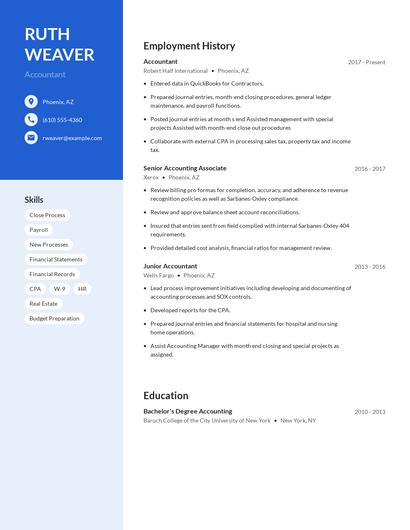
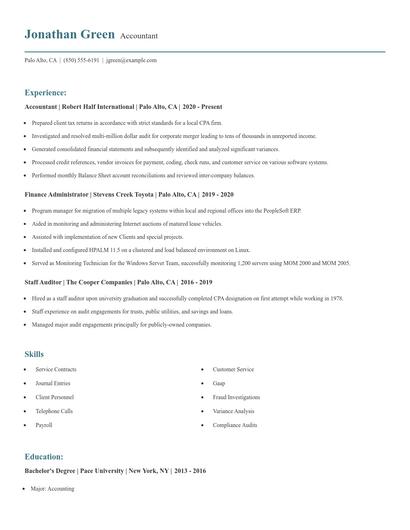
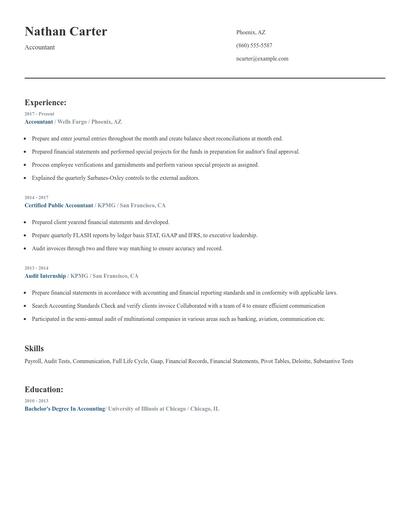
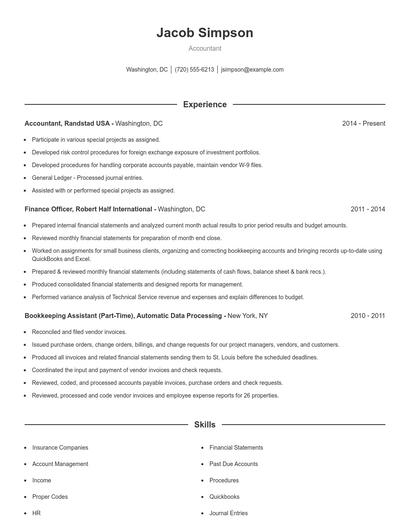
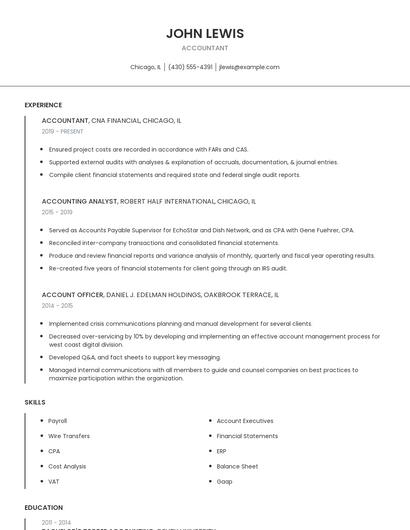
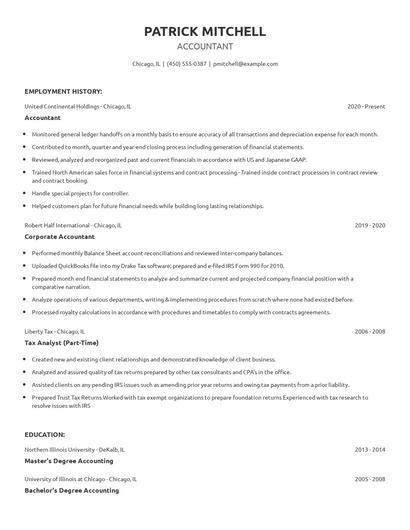
Choose from 10+ customizable resume templates
Zippia allows you to choose from different easy-to-use templates, and provides you with expert advice. Using the templates, you can rest assured that the structure and format of your resume is top notch. Choose a template with the colors, fonts & text sizes that are appropriate for your industry.