Explore jobs
Find specific jobs
Explore careers
Explore professions
Best companies
Explore companies
This question is about music manager.
How to find a music manager
You find a music manager by creating quality music, networking, building relationships, and researching music management companies. An artist manager can open new dimensions of success that a musician may not have thought possible. There are simple methods of materializing a manager, but you may have to get creative.
There is no right way to land a music manager, but one of the first steps is to ensure that you are creating quality music. The relationship with a music manager has to be mutually beneficial as it is a very demanding position. If your music does not meet industry standards, potential music managers will know it.
When learning to produce music, you want to start with writing your first song. This will take time and practice, and not everyone is a superstar at first. Experiment with the software and explore the plugins and sounds. DAWs have a learning curve, and you will simply learn by doing.
You should also study music theory. Without understanding the basics of music theory, it will be difficult to write chord progressions and create music that actually sounds like music and not just a random string of noise. Studying music theory will help you to create melodies, bass lines, and basic song structure.
Learn how musical keys and chords work and then how to extract melodies and bass lines out of the chords that you use. You can also learn about orchestration and arrangement. Orchestration knows which instruments complement each other and how they can come together to form a band.
Each instrument will play a specific role in the band, and they will all be on a different frequency spectrum. This means that you will need to choose instruments and frequencies that will not clash with each other sonically. Instruments that clash will play different roles (i.e., lead guitar vs. rhythm guitar).
Arrangement refers to knowing when the different instruments in your orchestration should play (or not play). It is important to know when to drop an instrument out and when to bring it back in. This can help to add excitement or drama to your music and really bring songs to life. People are drawn to music that evokes emotion.
Finally, it is important to study mixing and mastering. Mixing is especially important if you want your final song to sound decent. This knowledge can literally make or break a music producer. Mixing is the art of balancing the variance of volume levels, the positioning of the stereo field, and the clarity of each instrument.
Once your music is on point, you want to start building your fan base and your following. This is essential to becoming a successful artist, and a potential manager will notice if you start to generate a buzz in the industry. Consider taking steps to:
Build your artist brand
Get your music on music discovery websites
Get your music on Spotify playlists or similar platforms
Get featured on music blogs
Have a stronger social media presence
Play live shows
Playing at reputable venues and festivals is some of the best ways to get noticed. This shows a potential manager that you can get gigs and that you are marketable. Most managers are ready to jump on emerging artists and help take them to the next level of their careers.
Once you are at this level, it is time to network and build relationships in order to find the manager that will be right for you. Again, this relationship should be mutually beneficial. Put out your feelers and ask fellow artists how they connected with their manager and ask for viable contacts in the business.
Also, research who manages your favorite artists. Ask promoters and booking agents for suggestions. You can also research music management companies. This can sometimes be a more expensive route, but you will have an entire team of music industry professionals supporting you and your career.
With these types of agencies, you will typically deal with your direct manager but will also have staffers who specialize in areas like:
Marketing
Touring
Promotion
Social media
Copyright
Legal
Business management

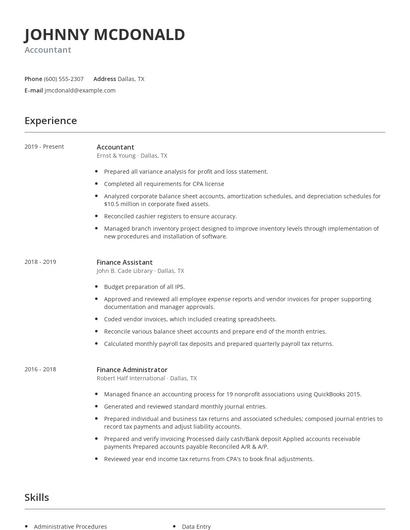
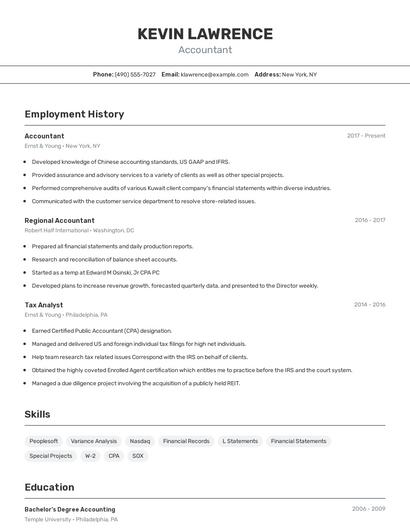
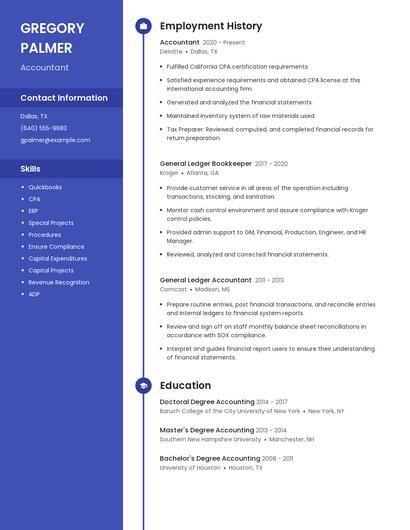
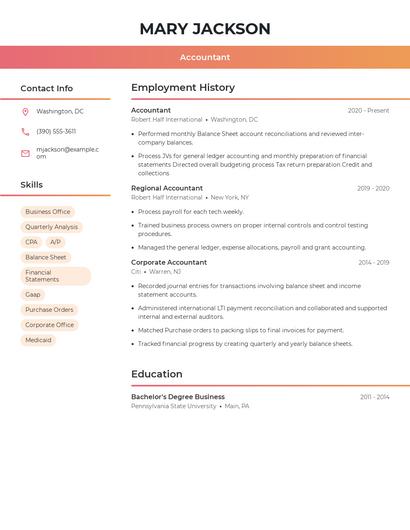
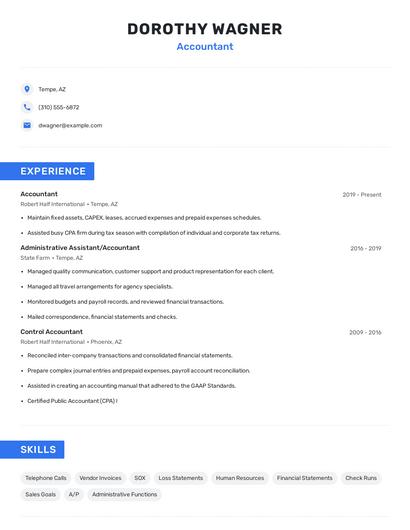
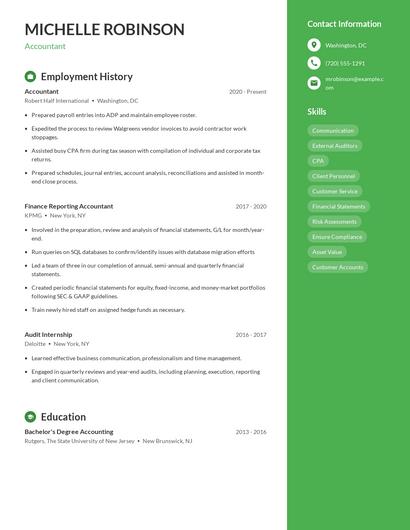
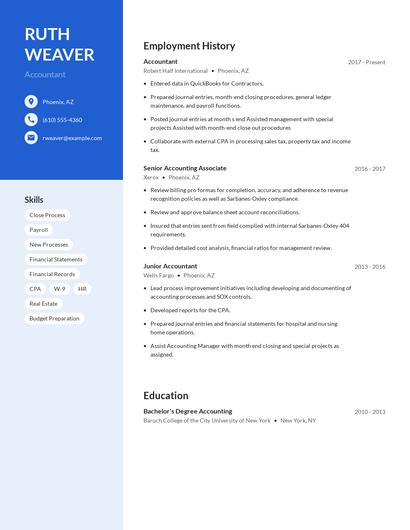
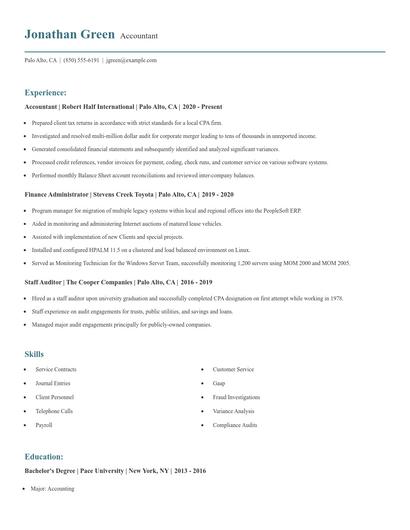
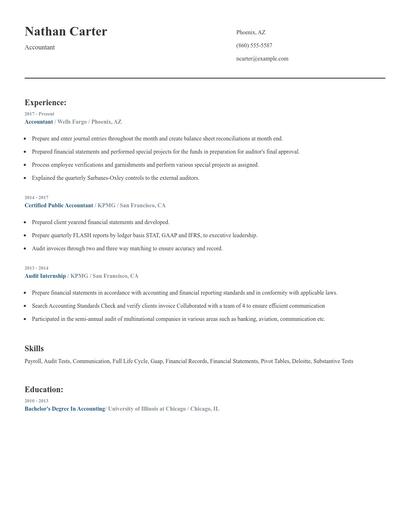
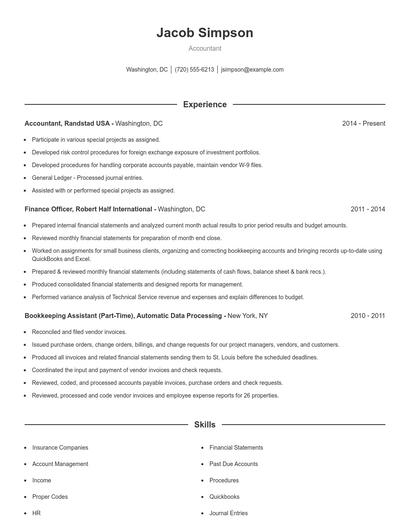
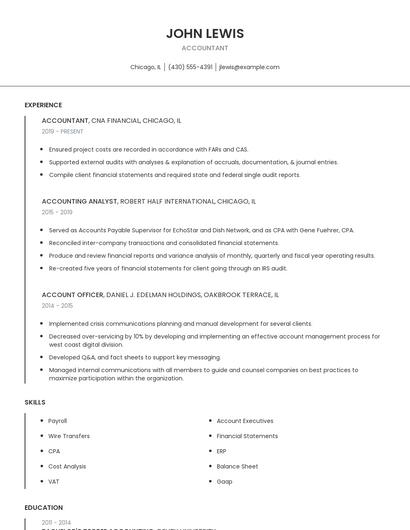
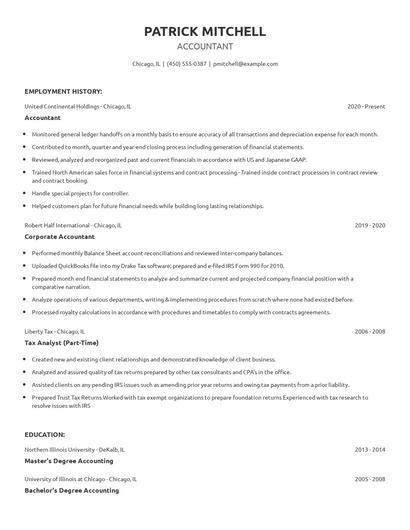
Choose from 10+ customizable resume templates
Zippia allows you to choose from different easy-to-use templates, and provides you with expert advice. Using the templates, you can rest assured that the structure and format of your resume is top notch. Choose a template with the colors, fonts & text sizes that are appropriate for your industry.