Explore jobs
Find specific jobs
Explore careers
Explore professions
Best companies
Explore companies
This question is about private equity internship.
How to get into private equity
Getting into private equity involves having the right educational credentials and experience. For example, after your bachelor's degree, you should gain experience in investment banking, asset management, or venture capitalism. Interning is a good way to get your foot in the door of private equity.
To work in private equity requires at least a bachelor's degree in economics, finance, business, or accounting. Knowledge of financial analysis and modeling can be an advantage. An MBA may be useful in gaining knowledge and networks that may be helpful when working in private equity, but it is not necessary to work in the field.
It's also a good idea to obtain a relevant certification such as a Chartered Financial Analyst (CFA). This can help to increase your chances of landing a private equity job. A CFA can assist you in private equity by providing expertise in financial analysis, investment evaluation, and portfolio management.
Additionally, a CFA can help you develop a robust investment strategy and ensure that any investments you make are in line with your goals and risk tolerance.
Tips for getting into private equity:
Develop a clear understanding of the private equity industry by familiarizing yourself with successful firms, studying the various types of funds and investments, and educating yourself on the different stages of private equity investments.
Build an extensive network in the industry: Connect with professionals in the industry, attend related events and conferences, and cultivate relationships with private equity professionals.
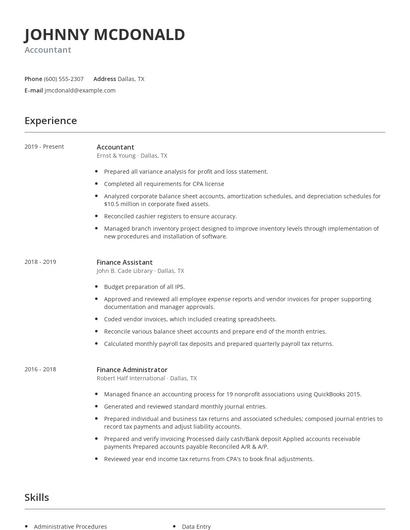
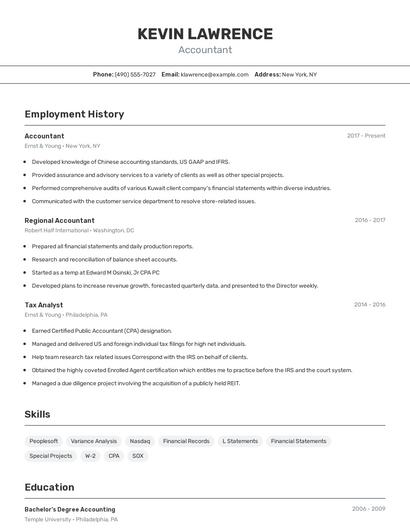
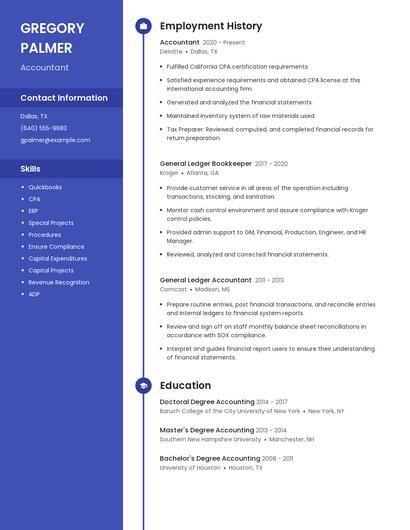
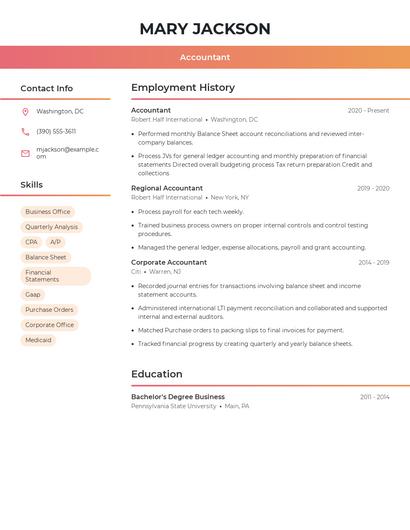
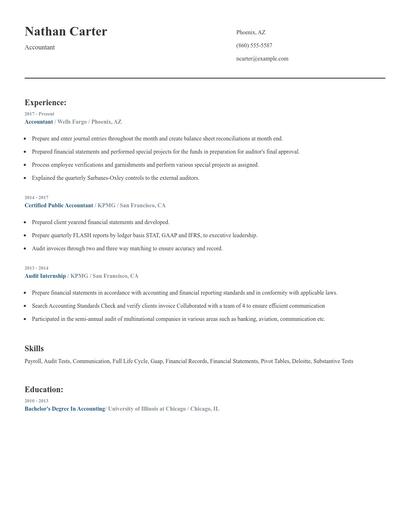
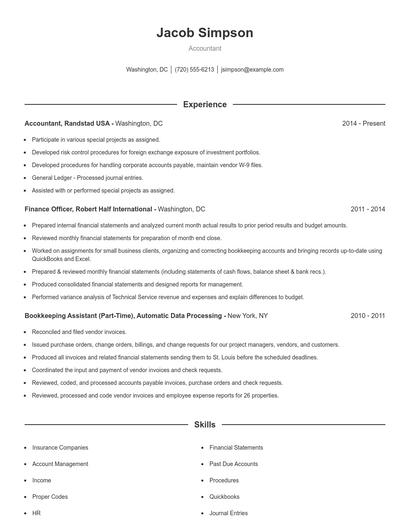
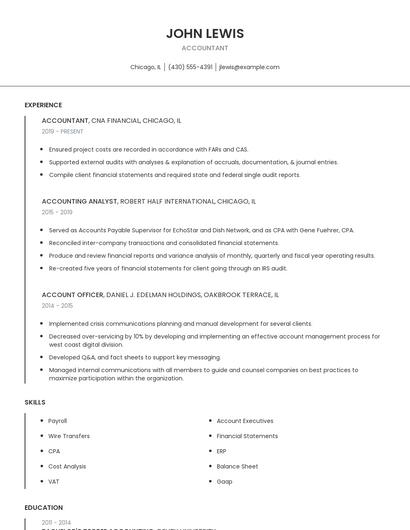
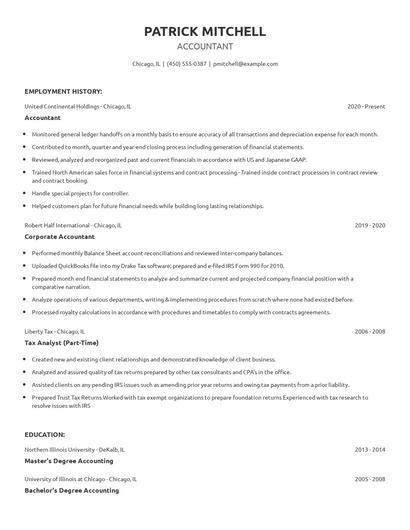
Create a standout resume and cover letter: Create an impactful resume and cover letter to demonstrate your skills, knowledge, and experience; and display the value you can bring to a private equity firm.
Have a strong investment thesis: Demonstrate your understanding of private equity investments, and be able to explain why certain investments make sense and how they correspond to short-term and long-term returns.
Be prepared for interviews: Analyze case studies, research the firm and industry, refine your pitch/investment thesis, and practice long-term investment scenarios.
Showcase strong problem-solving skills: Demonstrate your ability to think logically, identify solutions for complex challenges, and communicate effectively under pressure.
Utilize portfolio management skills: Highlight your ability to track performance, optimize portfolios, and forecast outcomes of potential investments.
Emphasize financial acumen: Demonstrate your knowledge of finance, economics, accounting, and modeling, including building financial models and forecasts.
Demonstrate professional communication: Showcase your ability to communicate clearly and succinctly through email, presentations, and other documents.
Be knowledgeable about current market trends: Remain up-to-date on market news and trends by reading industry publications and staying abreast of current events.

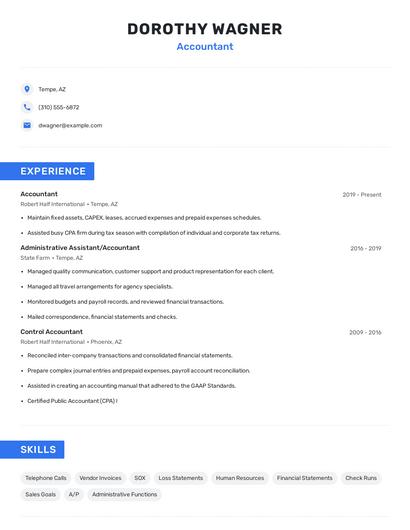
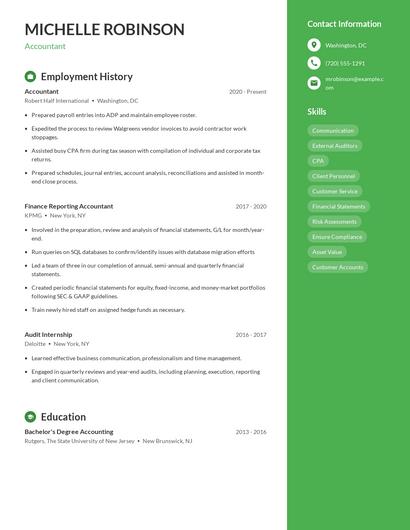
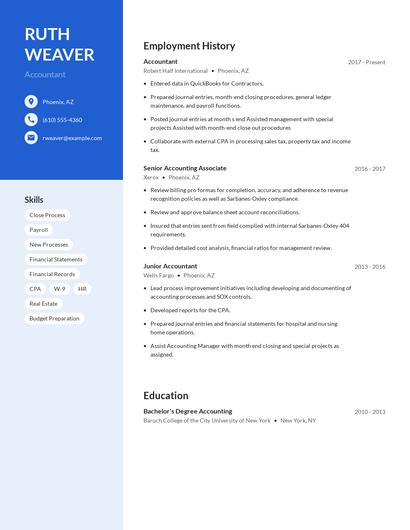
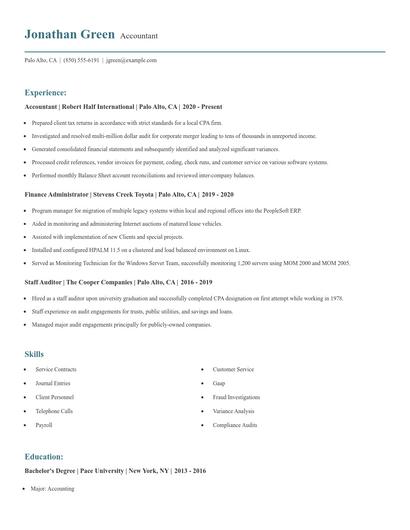
Choose from 10+ customizable resume templates
Zippia allows you to choose from different easy-to-use templates, and provides you with expert advice. Using the templates, you can rest assured that the structure and format of your resume is top notch. Choose a template with the colors, fonts & text sizes that are appropriate for your industry.