Explore jobs
Find specific jobs
Explore careers
Explore professions
Best companies
Explore companies
This question is about caterer.
How to start a catering business
You must determine your specialty in catering, create your menu, and develop a business plan in order to start a catering business. Here are some details on these steps and others you can take to start a catering business:
Determine your specialty of catering. New catering businesses often thrive the most when they serve a specific niche of the catering industry.
To do this, you must ask yourself some simple questions, including:
What kind of food will your catering business serve?
This question can be answered in different ways. It can be a direct question about the kind of cuisine you serve, like traditional American, Indian, Italian, Thai, or many other examples. But this question also applies to if your food will be even further specialized, such as catering for vegetarians, vegans, or the gluten-free market.
What types of functions or events will your catering business service?
When starting a new catering business, it is often a good idea to stick to smaller events and functions, such as cocktail parties and birthday gatherings. Unless you have strong contacts in the restaurant and event industry, it's probably a good idea to start out on the smaller side.
As your business grows, you can then expand to larger events that need catering services.
How much are you able to work?
If you are going into this business full-time, perhaps you can cater several events per week, but if you are initially doing this part-time or as a side hustle, you'll probably have to keep most of your catering to the weekends.
Who are you going to hire?
Even if you are planning on being the head chef in charge, you still need to consider who else you will hire to help with the cooking and delivery of your food. Many catering companies not only have a large staff of cooks and delivery drivers, but some also have waiters and waitresses that are included in the service.
Not to mention administrative duties that you are likely going to need assistance with. If you are planning on keeping your catering business on the small side, you can get away with wearing many hats in the business and hiring only a few employees, but if you want your business to grow in scale, you are going to need a workforce.
It's helpful to gauge how many employees you think you will need if your catering business really takes off, just to be prepared.
Research your local catering market. It is critical to do a lot of research on your local catering market, this means finding out the consumer base in your area, as well as any competing catering companies.
It's best to do this research before you start developing a menu or buying equipment. You might also find that this makes you pivot from your initial catering business idea if there are already a lot of competitors in that niche.
When looking at other local catering companies, try to get a sense of their menus, what events they most often cater to, and their pricing. If they don't list approximate prices on their website, a call to them for a price quote is a good idea.
Another great way to learn about competitors is to talk with their customers. Here you can get information on what they are doing right and what they are doing wrong, and at the same time, you'll be doing customer research. This will be of great value later when you plan your business and decide on marketing strategies.
Find out local licensing and permit requirements for your catering business. These will vary state by state. For instance, in certain states, you might not be able to prepare meals for catering in your home kitchen with the equipment you use for personal meal prep. Liquor licenses will also vary from state to state.
Here are some permits and licenses that are universal and you should seek out regardless of what state you are starting your catering business in:
A general business license issued by your state, municipality, city, or county.
A zoning permit, depending on where you'll locate your cooking facilities.
Health permits, depending on where you'll be preparing food and if you will also be providing transportation services for your catering meals.
Try to make contact with your local health department, as well as your Secretary of State, to learn about all the licenses and permits that your catering business will need to operate.
Create a catering menu. It's likely this was one of the first things you thought about when you first wanted to start a catering business. Now that you've done some research and answered some critical questions about your business, you can determine your catering businesses menu.
Menus can always evolve or be changed, but it's best to start out with a list of options. This is also critical when it comes to figuring out how many employees you need. If your dishes are simple, you'll likely need less or even no cooking employees, but if you are doing challenging menu items, it's almost a guarantee you are going to need help.
This is also a requirement because once you select your menu items, you must practice making large quantities of each item to get ideas on the number of staff members, equipment needed, and the amount of food supplies you are going to need.
Your menu will ultimately be shaped by your capacity and your kitchen facilities.
Seek out an appropriate location for your catering business. As was mentioned earlier, certain states have limitations on running a catering business of your own kitchen. There may be workarounds for this issue, but you'll have to dig into the details of your own individual state to find out.
Leasing a commercial kitchen does increase your operating costs, but it also gives you a lot of flexibility. These spaces also allow you to prepare larger quantities of food and expand your business faster.
If you are looking to start a catering business that prepares meals at event sites, this can save on overhead but can be limiting in other ways. It will be unpredictable often, and you won't know what that location's kitchen might be lacking.
It's up to you if you feel your menu is adaptable enough for any kitchen facility. In addition, though, this will keep you from catering certain kinds of events that lack kitchens, such as outdoor functions or gallery openings.
Pick a location that fits your business model, menu, and overhead limits.
Purchase equipment. Depending on your menu, you may need to purchase a lot of cooking equipment or very little. But you also need to consider purchasing large items, such as vehicles, if you plan on delivering your catering services to clients.
Put together a list of all of the essential equipment you need to start your business. If you have the capital, you can go ahead and purchase these items. If you need money, consider a small business loan from a bank, or getting friends, family, or business people to invest in your catering company.
Create a business plan. Your business plan should cover customer research, competitors, a startup budget, and financial projections for your catering business.
Other things you should add include the problems you will be solving for clients and customers, what sets your business apart from the competition, the resources your business will depend upon, and your businesses' mission statement and vision for the future of the company.
Your business plan is a critical document for yourself, especially if you are looking to get a small business loan or investors in your company.
At this stage, you should also choose a name for your business. Pick something snappy, food-related if possible, and memorable. If you are specializing in a certain type of food or catering to a specific food consumer, like a vegan, you can also derive a clever business name from that as well.
Develop a marketing strategy that makes financial sense. Utilize the internet to market your catering business.
In the modern world, social media is a critical marketing tool. You should create social media accounts for your catering business and try to gain friends and followers. You can post about your services and pricing, as well as show actual pictures of your menu items.
Similarly, you should also develop a website for your catering business. This is relatively inexpensive, and if you have some extra cash, you can hire a professional to do a stellar website for your business.
You should have your pricing and contact information, as well as things like customer testimonies about your services on it. Make sure your social media business accounts link to your website and vice versa.
One of the best forms of marketing for a catering business is word of mouth. Here you don't actually have to do much of the marketing at all, just simply provide very good catering services and ask your clients to recommend you to other possible clients and customers.
You can also incentivize your clients to make recommendations by offering them perks, like free catering for a small event.
Determine what insurance plans you'll need to purchase. Business insurance protects your catering company in case the untoward happens. Even if your particular state doesn't require you to get insurance, you should buy as many types of insurance as you need to protect your assets and shield you from being sued.
Perhaps the most critical form of insurance in a catering business is general liability insurance. This prevents you from having to pay for any potentially expensive catering mishaps, like damaged property at a client's home or a company's office.
Some other forms of insurance you may want to consider include commercial auto insurance, commercial property insurance, unemployment insurance, wrongful termination insurance, and key person insurance.
Research these insurance plans and see if they make sense with your business model.
Costs of starting a catering business. Catering professionals say starting a catering business takes anywhere from $10,000 to $50,000 to get off the ground.
Of course, startup costs vary from business to business, but after doing the planning entailed in all the other previous steps, you should have a good ballpark notion of how much capital you will need to start your catering business.
Your initial budget should cover your startup costs and operating costs for a year without taking business revenue into consideration.
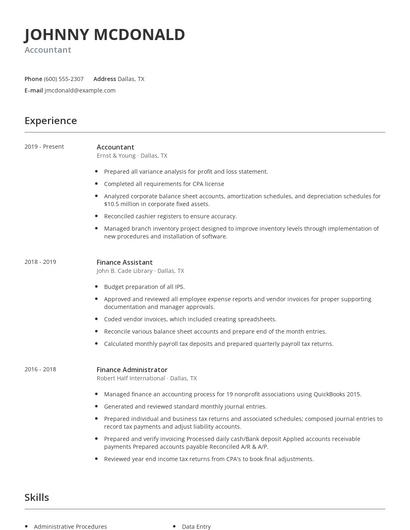
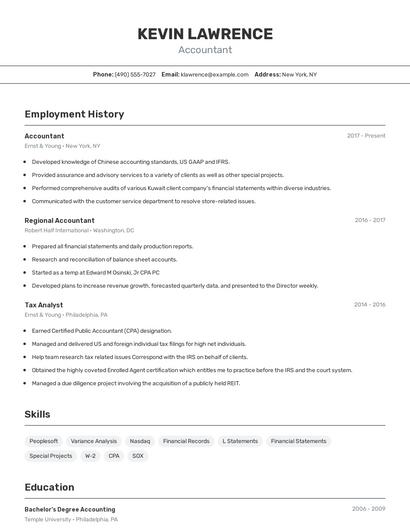
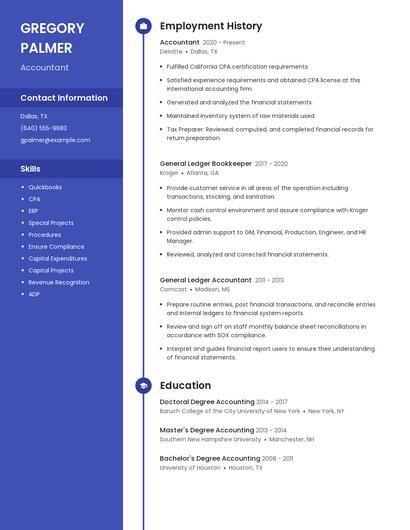
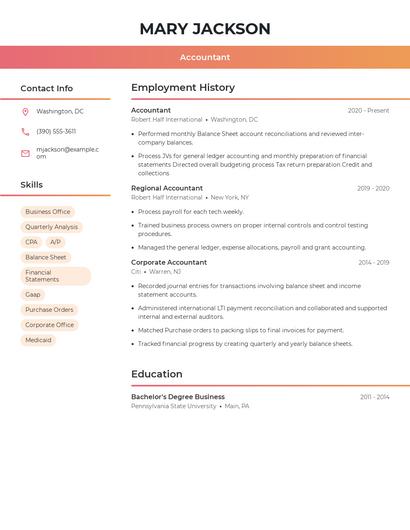
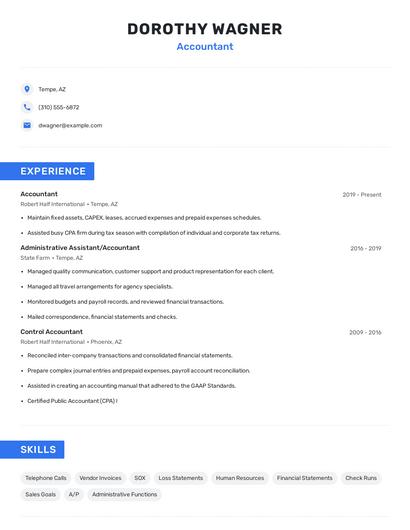
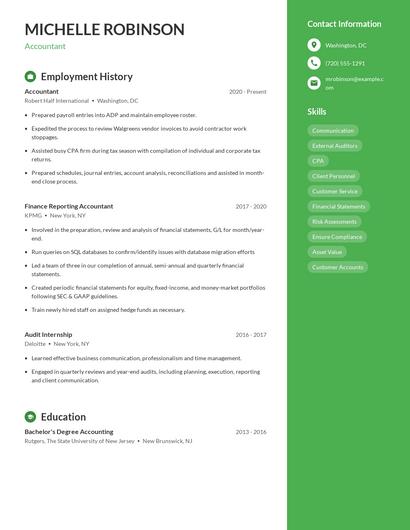
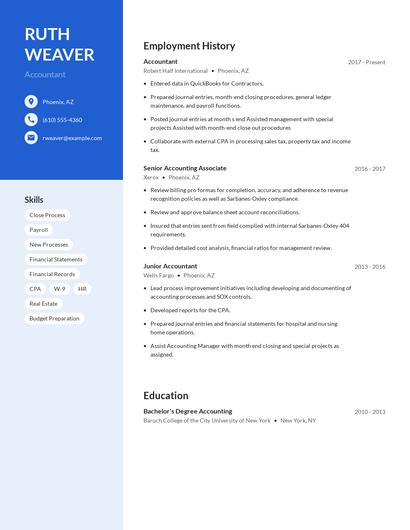
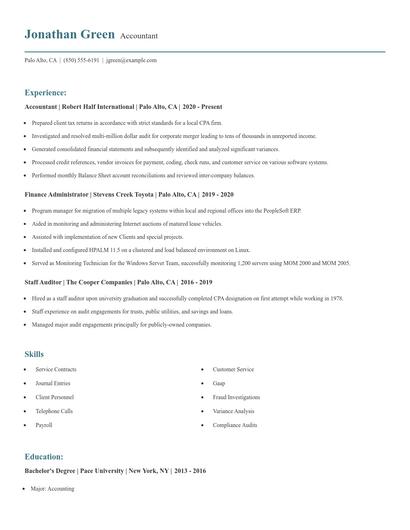
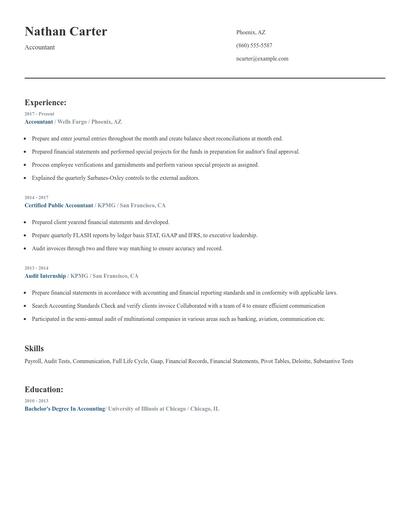
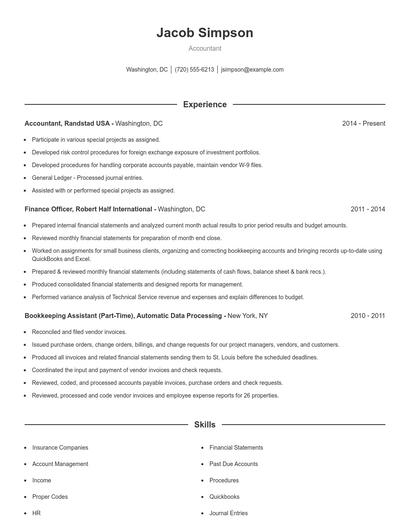
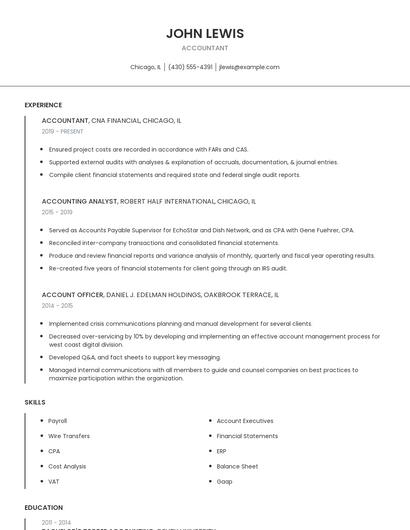
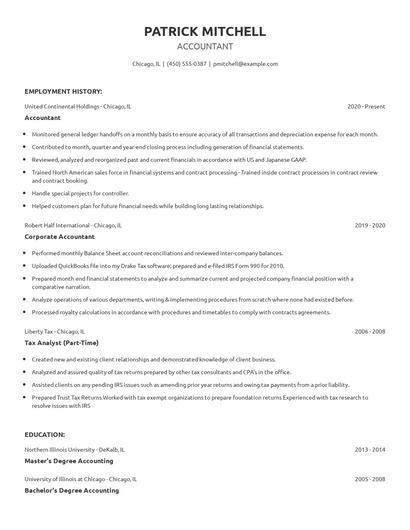
Choose from 10+ customizable resume templates
Zippia allows you to choose from different easy-to-use templates, and provides you with expert advice. Using the templates, you can rest assured that the structure and format of your resume is top notch. Choose a template with the colors, fonts & text sizes that are appropriate for your industry.