Explore jobs
Find specific jobs
Explore careers
Explore professions
Best companies
Explore companies
This question is about wholesaler.
How to start a liquidation business
To start a liquidation business, you must find good liquidation sites or wholesalers, obtain a resale certificate, and purchase liquidation pallets. Here are the steps to start a liquidation business
Find good liquidation sites or wholesalers. You must do a good amount of research on different companies that offer liquidation and wholesale inventory. You should also determine whether to source direct liquidation or get your inventory from a wholesaler.
Another key decision to make here is the type of goods you will be trafficking. Examples include the following:
Clothing and apparel
Consumer electronics
Home and garden products
Medical supplies
Personal care items
Also, do you want to specialize in new and overstock items? Or are you going to offer refurbished and used items too? There are many different strategies for starting a liquidation business; the clearer your vision is, the more likely you will succeed.
Obtain a resale certificate. Getting a resale certificate makes you an authorized seller in this market and makes your company legitimate.
After registering your business, you should then get your resale certificate. This document also exempts you from paying taxes on the products you purchase for resale. Most reputable wholesale companies require you to have this to purchase pallets.
Purchase liquidation pallets. Many retailers have their liquidation pallets displayed online for purchase. Many big box stores, such as Walmart, Target, Home Depot, and others, also have private online marketplaces from which to make pallet purchases.
Many of these follow the auction format, where you bid against other liquidators for the pallets of products.
Reselling goods. The best way to sell your goods is to find the right online markets. Options include the following:
Amazon
B-stock supply
Facebook Marketplace
To eliminate shipping costs, you must resell your products at flea markets, thrift stores, and other brick-and-mortar shops.
Perform market research. To find the right niche for your liquidation business, you should do a fair amount of market research.
This is also a critical step for developing a proper business plan. You must look into all types of competitor businesses and the markets they operate in. Understanding your competition and who they serve is essential.
Develop a business plan. Your business plan should cover customer research, competitors, a startup budget, and financial projections for your business. Other things you should list out on your business plan include the following:
The problems you will be solving for clients and customers
What sets your business apart from the competition
The resources your business will depend upon
Your business's mission statement and vision
Your business plan is a critical document for yourself, especially if you want a small business loan or investors in your company. At this stage, you should also choose a name for your business. Remember, your business name will be the first impression for your potential customers.

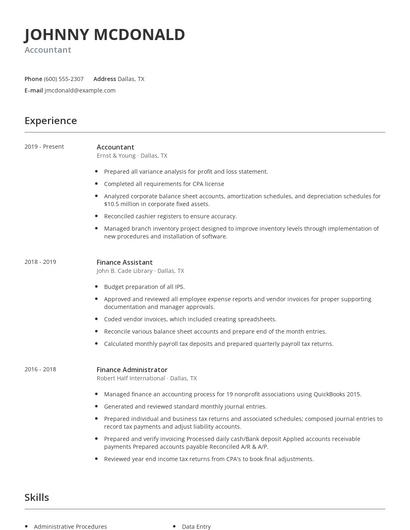
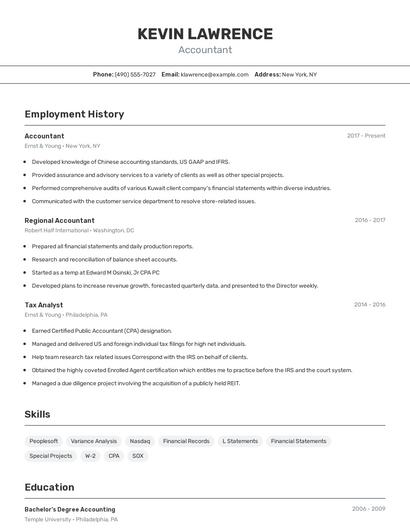
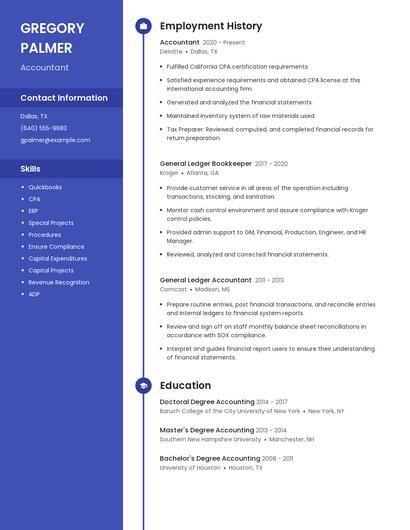
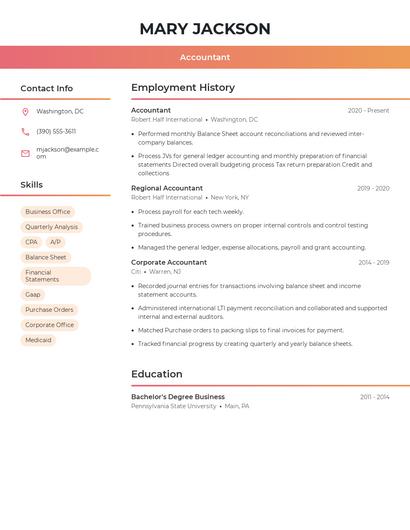
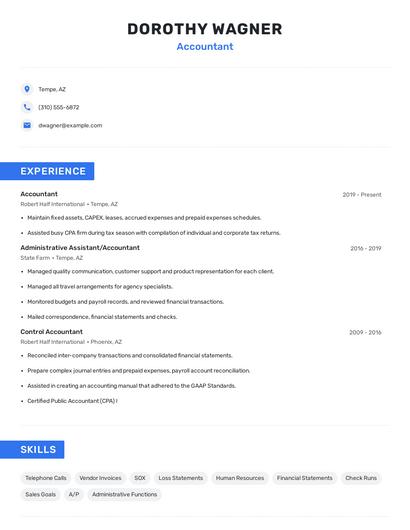
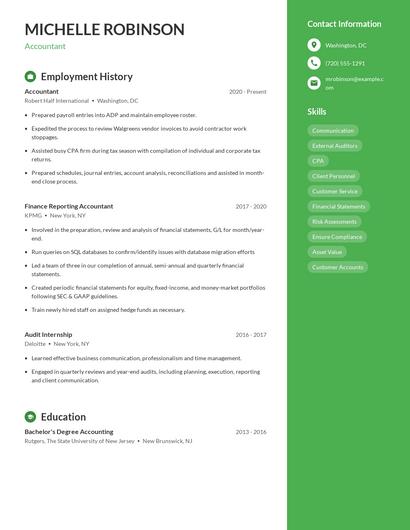
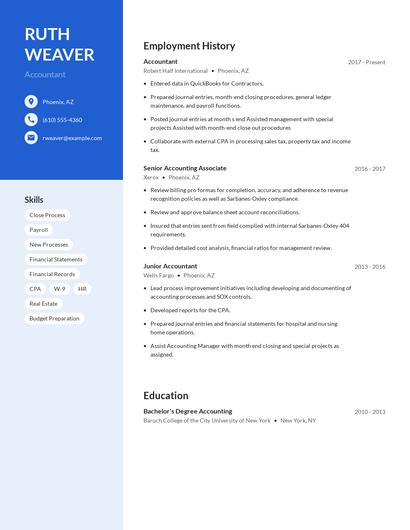
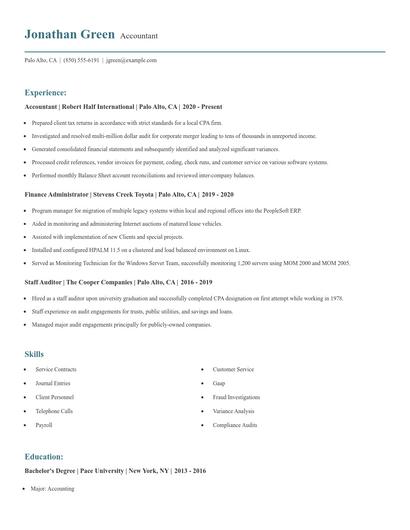
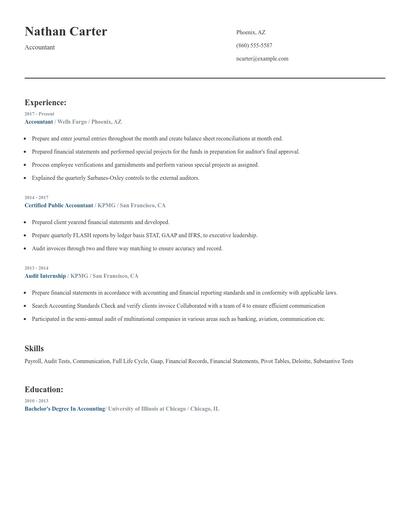
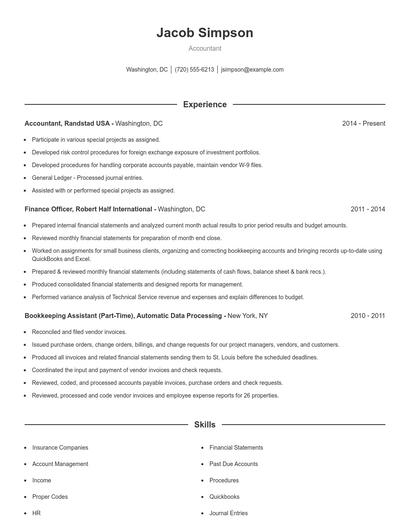
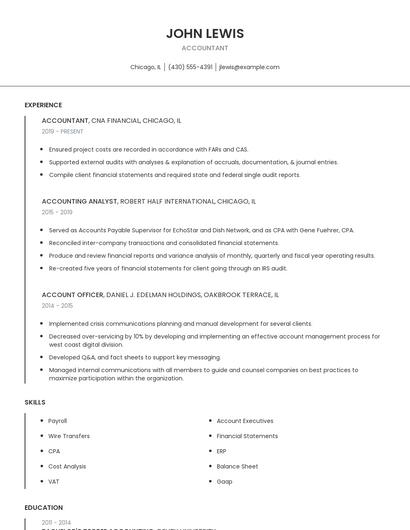
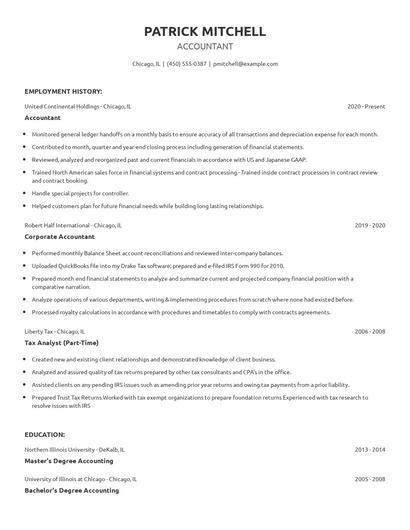
Choose from 10+ customizable resume templates
Zippia allows you to choose from different easy-to-use templates, and provides you with expert advice. Using the templates, you can rest assured that the structure and format of your resume is top notch. Choose a template with the colors, fonts & text sizes that are appropriate for your industry.