Explore jobs
Find specific jobs
Explore careers
Explore professions
Best companies
Explore companies
This question is about transportation broker.
How to start a transportation business
You must determine your business's transportation niche, develop a business model, and apply for the proper licenses and permits in order to start a transportation business. For more details on these steps and others you can take to start a transportation business, reference this guide:
Determine your business's transportation niche. There are many different kinds of transportation businesses, and that's why your first step is figuring out what type of transportation business you want to start.
This step involves determining who your customers are and what type of transportation you are providing. There are three main types of transportation businesses:
Personal transport
This includes one-to-one transportation services that are designed for individuals or small groups. Examples are taxi services, rideshares, limousines, personal driver services, or even bicycle rentals.
Local transport
This type of transportation business services regional markets by transporting items like goods, materials, livestock, and more. The opportunities here can be commercial or private, depending on the materials that are being transported.
Global transport
This classification of a transportation service may encompass all elements of the previous type of transportation services on a global or international scale. International transportation providers may offer air or sea travel to passengers, maritime shipping services, or air-based cargo delivery services.
The possibilities are somewhat endless when it comes to transportation, so it's important you have a solid idea of the type of service and the size of the business you want to have. Other options that haven't been mentioned include logistics companies, medical transport, tour bus services, and many others.
Once you decide on your niche, you must dive into researching that specific industry. You need to find out essential information relating to the demand for that transportation service, the market rate for the service, startup costs, and many other forms of critical information.
Your goal should be to find an appealing area of the transportation market that will have a steady client base and one that fits your financial resources at the moment.
If you're unsure of what to choose, do some research in your local community to find out what transportation services are lacking or if there are any businesses that are close to monopolizing the market.
Develop a business model. Once you have chosen your niche and done your proper research, it's time to develop a business model for your transportation business.
This step has to do with the structure of your business. You have several different options, including:
Sole proprietorship
In this business model, you have to work as an individual or married couple, but you do not incorporate. Although this offers flexibility, the downside is that any business losses may be assumed on a personal level.
General or limited liability partnership
In a partnership, you have the opportunity to go into business with others. The differences between general and limited liability partnerships are the ways that each partner assumes the risks, debts, or actions of the business as a whole.
Limited liability company (LLC)
If you operate as an LLC, your personal and company information is entirely separate. While this changes your tax status, it does protect you from personal losses based on the company's performance.
Once you have this determined, you'll also want to get a Federal Tax ID number. This helps you get a license to run your business. This is also referred to as an EIN or Employer Identification Number.
Apply for the appropriate permits and licenses. You almost always have to have certain permits and licenses to legally operate a transportation business. The amount and specific licenses and permits you will need can vary from business to business.
Transportation companies require more permits than other forms of business because they are often handing passengers and other forms of precious cargo. If you are specializing in freight transportation, you'll need to apply for a DOT number.
A DOT number or Department of Transportation number is a freight industry requirement.
Other types of licenses and permits that might need to be gained, depending on your industry, include:
Commercial drivers licenses (CDLs)
Commercial vehicle registration for any fleet vehicles
Fuel carrier licenses
Heavy load or cargo permits
Insurance coverage for drivers, pilots, passengers, or goods
Again, the amount and types of permits and licenses will vary depending on your particular niche of the transportation industry. Do the proper research into your area to find out exactly what you need to obtain.
Determine and set a budget and financial expectations. Depending on the type of transportation business you choose, the startup costs and overhead for your business may be minimal or quite extensive.
For example, starting a one-vehicle taxi service or even a pedicab fleet is far cheaper than starting an airline transportation business or a full-fledged logistics company with a fleet.
Consider taking out small business loans if necessary or seek out investments from friends, family, business people, or venture capitalists.
The important thing here is to determine what revenue you need to generate to maintain your business and have it operational and profitable. How much you need to invest in resources, supplies, equipment, and employees, and how much money you can devote to marketing your new business, which again, depending on your area, can be relatively cheap or very expensive.
Purchase or rent your vehicles, equipment, and office space. Depending on how much start up capital you have, you may be able to purchase all of the necessary vehicles and equipment.
Depending on what kind of transportation business you chose to specialize in will dictate what types of vehicles you should purchase or rent and how many you need to add to your fleet to get your business going and be profitable.
You must also consider renting office space. If you can run your business from home somehow, that's a great way to save on costs; however, you may need to consider spaces to rent for the housing of your vehicles when they are not in use.
Many transportation business owners start off by leasing many of these things and as their business becomes more successful, they start to switch to purchasing.
Some other things to consider when taking this step are:
Are you going to be transporting passengers, cargo, or a mixture of both?
How heavy will your transportation loads be?
How long are the average distances your vehicle(s) are going to be traveling?
What kind of maintenance to expect relative to vehicle usage?
Are there any fuel-efficient or sustainable vehicle options that might be appropriate and ultimately save you on business costs?
These are just a sample of some of the questions you should ask yourself when taking this step, but there are also many other things to consider depending on your area of transportation.
Hire the right people. Establishing solid hiring practices can not be overrated in any business scenario. Your company's hiring practices may evolve over time as your business grows, but it's crucial to set a good standard when just starting out.
Even if your business is small at first, try to consider ways that you could grow in the future and hire more employees. The more employees you have, the more services you can offer and the more work that gets done. This results in higher profits generally.
In addition to drivers, pilots, truckers, or other vehicle workers you will be employing, try to think about other positions as well. This includes office and administration staff, maintenance and technician employees, sales and marketing teams, human resources (HR), part-time or seasonal employees, and many others.
Hiring qualified and motivated professionals will help you to launch your transportation business smoothly and successfully.

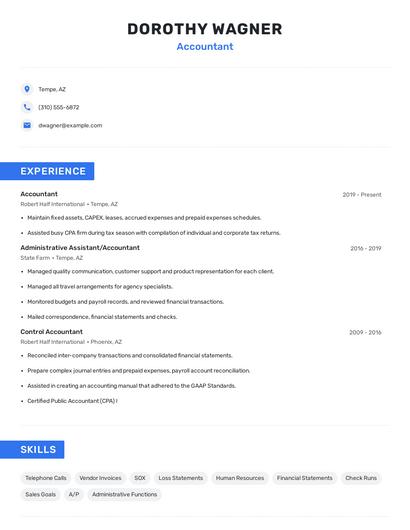
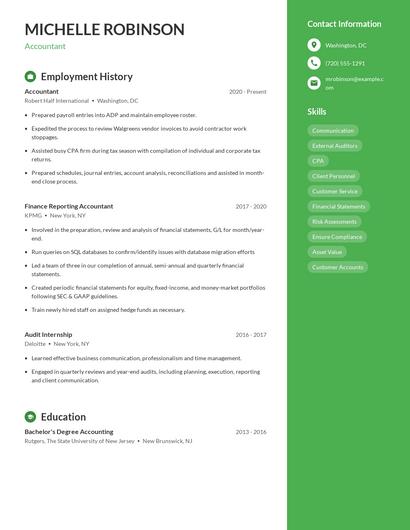
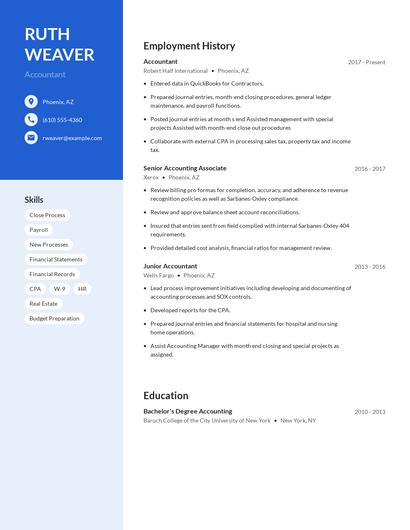
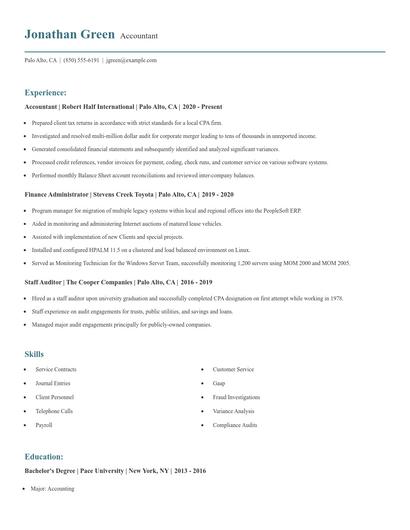
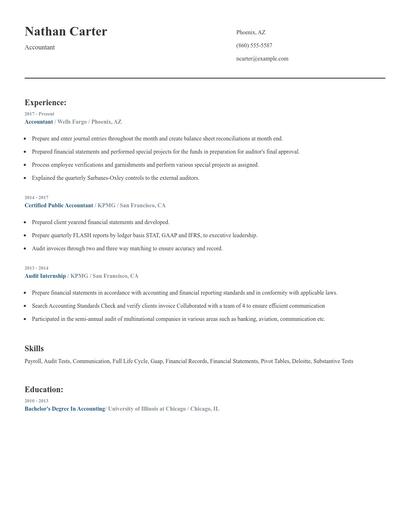
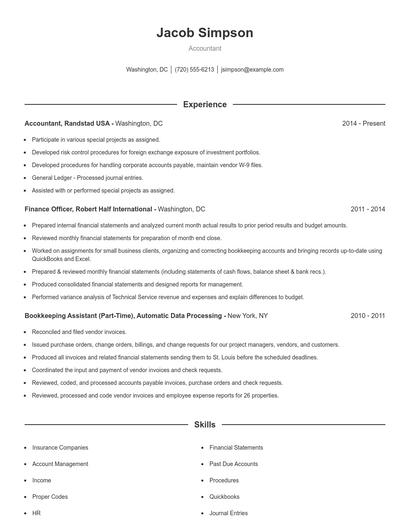
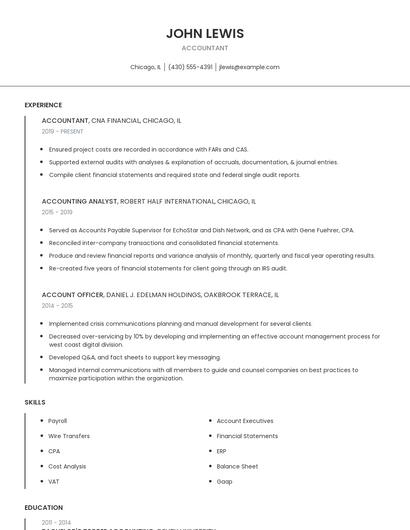
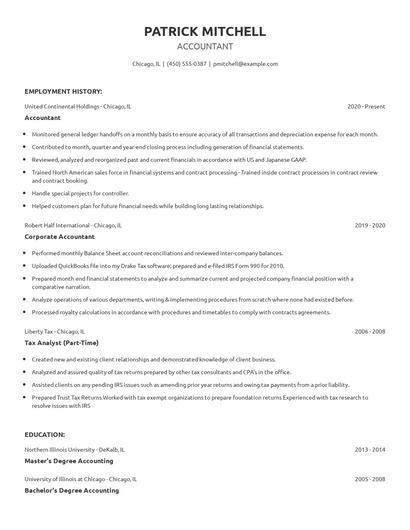
Choose from 10+ customizable resume templates
Zippia allows you to choose from different easy-to-use templates, and provides you with expert advice. Using the templates, you can rest assured that the structure and format of your resume is top notch. Choose a template with the colors, fonts & text sizes that are appropriate for your industry.