Explore jobs
Find specific jobs
Explore careers
Explore professions
Best companies
Explore companies
This question is about jobs.
How to write a harassment letter to HR
To write a harassment letter to HR, follow these steps:
Determine the type of harassment you have experienced
Harassment in the workplace is defined as unwelcome physical or verbal behavior imposed upon you by a co-worker or superior. In other words, any behavior you find abusive, hostile, intimidating, or offensive.
Generally, harassment in the workplace falls into one of two categories:
Hostile Working Environment - This is when a superior or peer humiliates you in some form, verbally, physically, or otherwise.
Quid Pro Quo - When any job benefit, like a promotion, raise, or similar, is offered to you in exchange for your engagement in some form of sexual behavior.
Sexual harassment is often what people think of when they hear workplace harassment, and unfortunately, these occurrences are prevalent in the corporate world.
However, the hostile working environment form of harassment is also quite common and can involve elements such as:
Gender
Disability
Religion
Age
Race
Nationality
Color of your skin
Not all hostile working environment harassment involves one of these factors, but it can.
You should also keep in mind that workplace harassment doesn't have to transpire in the physical workplace, like your office. It can happen via communications, emails, texts, phone calls, etc., or even in other locations such as the site of a business trip.
Finally, be sure you can specifically define the kind of harassment that took place. You need to be as precise as possible when submitting a letter to HR.
Write down everything you can about the harassment
After the incident, write down as much information about the experience as possible. This is not your letter to HR, but you can use this as a reference when writing your letter.
Try to stick to the facts and include everything you remember about the incident.
Look up your company's policies on harassment
Before writing the letter, ask HR to assist you with this if necessary.
Try to write the letter when you are calm
If possible you should write your letter when you are in a somewhat calm state. You should not do it directly after the harassment has taken place. The key here is to remain objective and to state facts about the harassment and the individual(s) in question.
If you write the letter while you are angry or extremely distraught, it may result in you including things that you shouldn't, like your opinion about the person or people that harassed you.
Stick to the facts and keep the letter professional. Doing this gives the letter a better chance of being a catalyst for some form of disciplinary action being taken against the harasser(s).
Keep it brief, polite, and professional
Unless there have been many instances of harassment, aim for a letter of 500 words or less. The letter should professionally state just the facts. Using all caps or negative adjectives, for example, to convey your frustration will not be effective in this situation.
Obtain witnesses' statements if possible
If other employees witnessed your harassment ask them if you can use official statements of theirs in your letter. You can even dedicate a section of the letter to this if it makes it easier. It only helps your case if HR can follow up with witnesses about the situation.
Specifics of what to include in a harassment letter to HR
Here is a checklist of everything that should be included in your harassment letter:
The name of the harasser and their job title
Your relationship with the harasser
Witness statements and the witnesses' job titles
The specific incident or incidents
The dates of the harassment
The location or locations where the harassment took place
Any evidence of the harassment - emails, texts, voicemails, etc.
Save a copy of the letter and submit it to HR
After you are finished with your letter make sure you save a copy for your records. This can be useful if the harassment continues in the future.

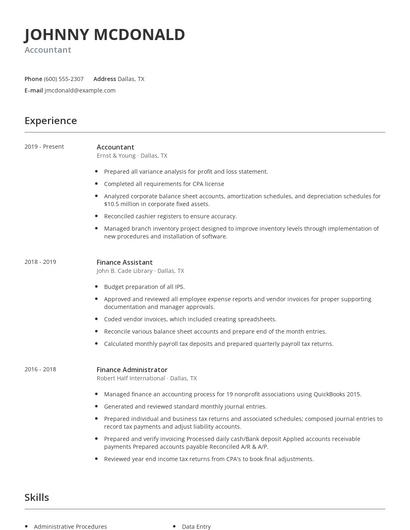
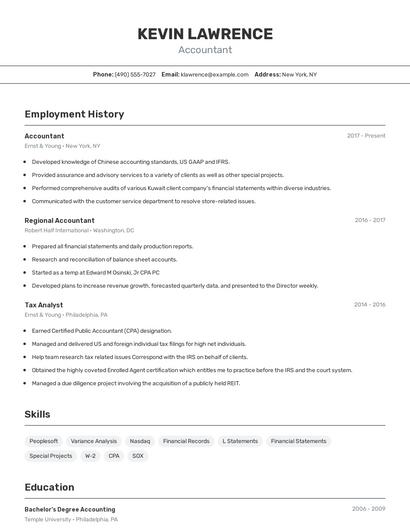
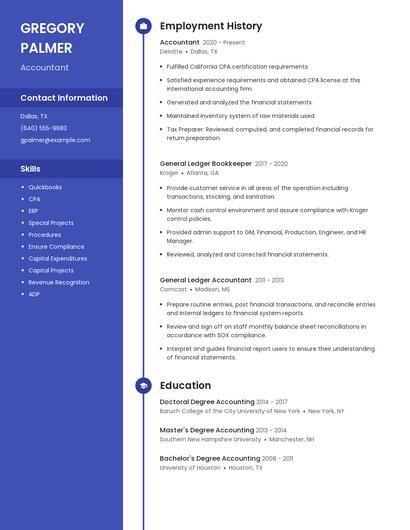
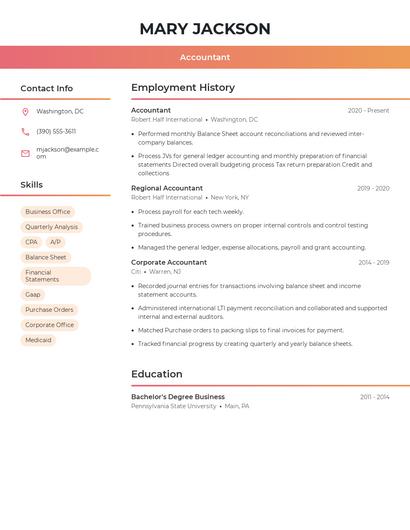
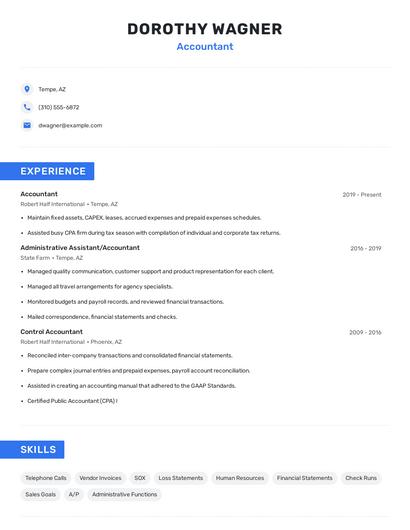
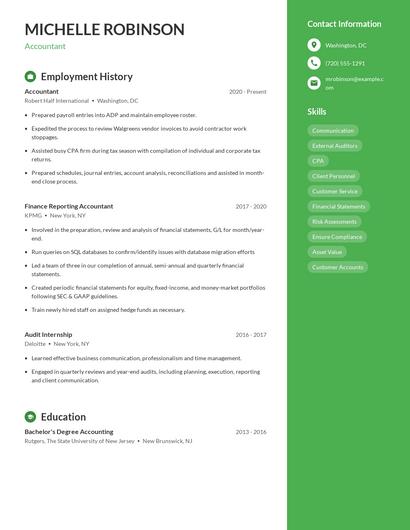
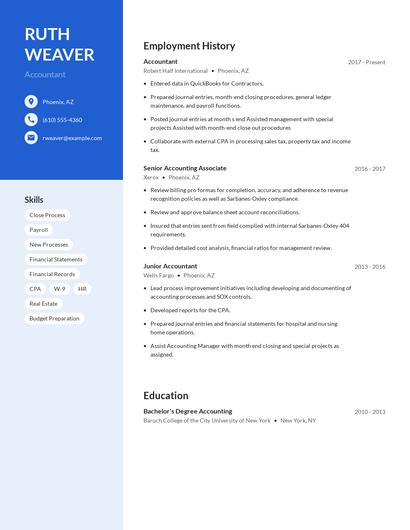
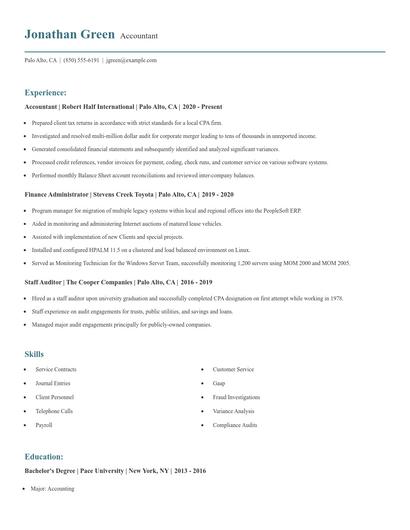
Choose from 10+ customizable resume templates
Zippia allows you to choose from different easy-to-use templates, and provides you with expert advice. Using the templates, you can rest assured that the structure and format of your resume is top notch. Choose a template with the colors, fonts & text sizes that are appropriate for your industry.