Explore jobs
Find specific jobs
Explore careers
Explore professions
Best companies
Explore companies
This question is about salaries.
If you work remotely, where do you pay taxes?
Remote workers typically file federal and state taxes based on where they physically work, not where their employers operate. There are two types of taxes that workers in the United States need to file: federal and state.
For federal taxes, the process is relatively straightforward and is based on where you were physically performing the work. State taxes, however, can be much more complicated, and the rules differ from state to state.
A person who lives and works remotely in Washington and works for a company that is based in California can work without having to pay California state taxes. In contrast, a remote worker who travels to other states and works from there may have to file a nonresident tax return in those states.
Remote workers do not have to file nonresident state tax returns unless they physically travel to another state and perform work while they are there. In certain cases, a reciprocity agreement may protect workers from paying taxes in different states. In addition, not all states levy a state income tax.
As of 2020, employees are free from state taxes in:
Alaska
Florida
Nevada
New Hampshire
South Dakota
Tennessee
Texas
Washington
Wyoming
The state constitution of Texas forbids the government from creating a state income tax. Remote workers in these states who do not perform work in other states only have to file federal tax returns. Workers in New Hampshire and Tennessee may be subject to state taxes on investments and other income, but they do not charge state taxes on wages.
For remote workers in the United States, the physical location remains the determining factor for which taxes workers pay. Employers who hire employees outside of their home states must fulfill their duties to withhold state taxes on a state-by-state basis.
The United States does not levy taxes against non-U.S. citizens living outside of the country and working for a U.S.-based business. If you are a citizen of the United States working remotely from another country, you may need to fill out some forms, but in most cases, you will only owe taxes in the country where you live and work.
U.S. citizens high earners (above $100,000 per year) may owe U.S. taxes even when working abroad. Regardless of income, U.S. citizens working overseas should still plan to file tax returns, even if they don't owe anything.
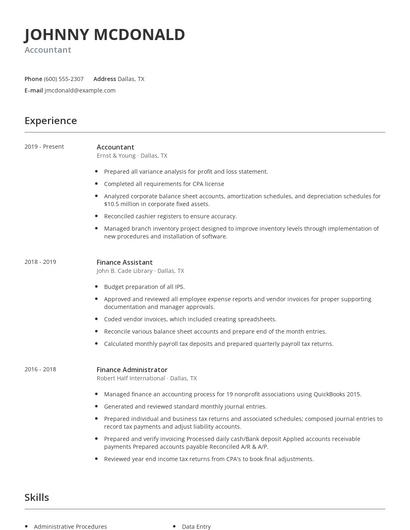
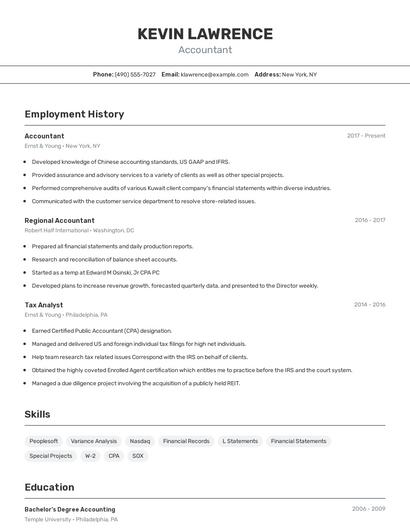
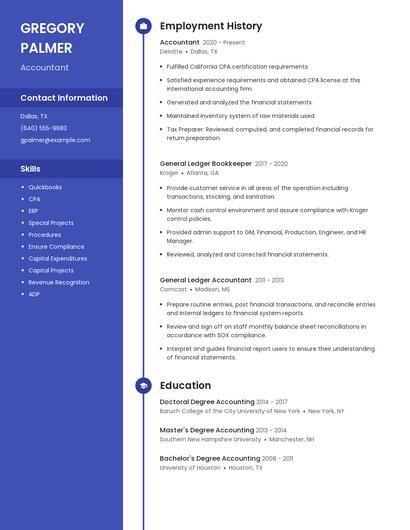
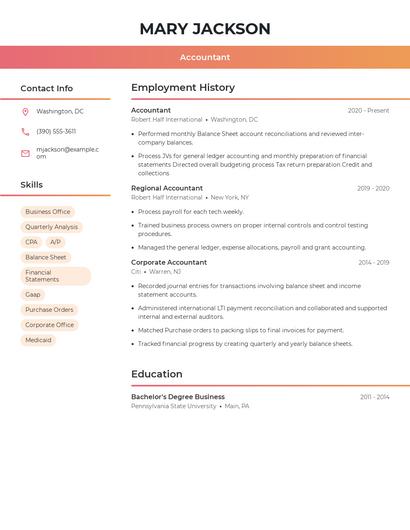
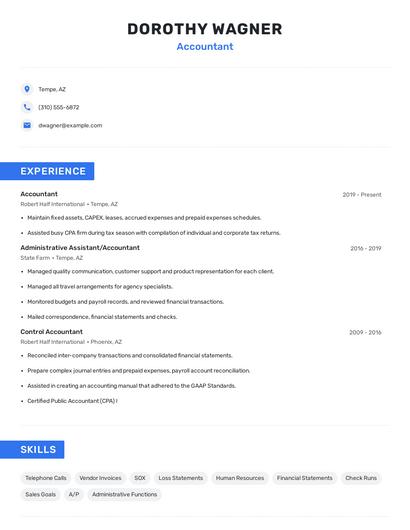
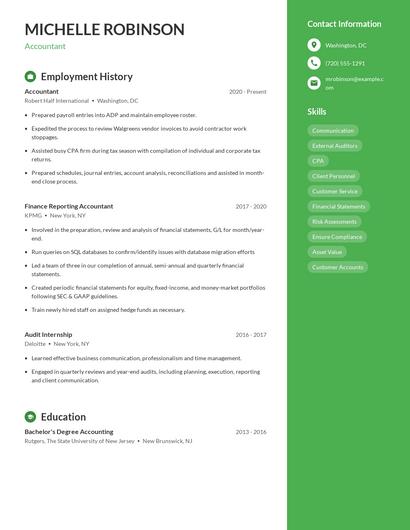
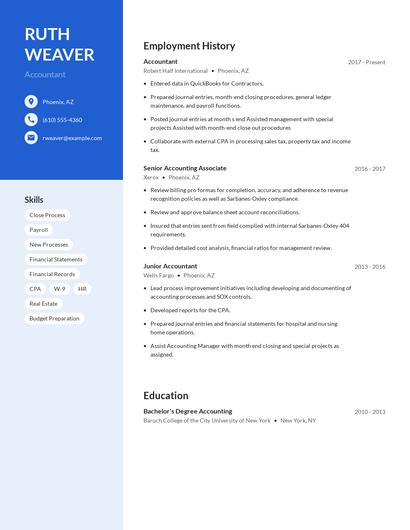
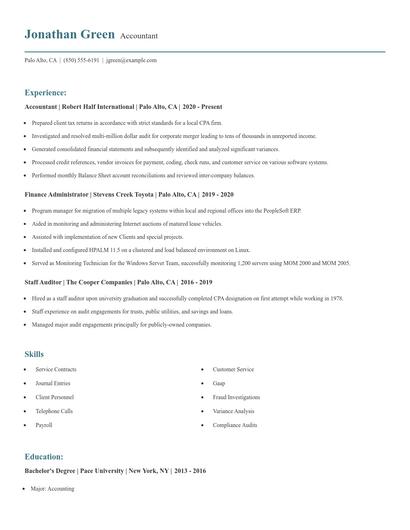
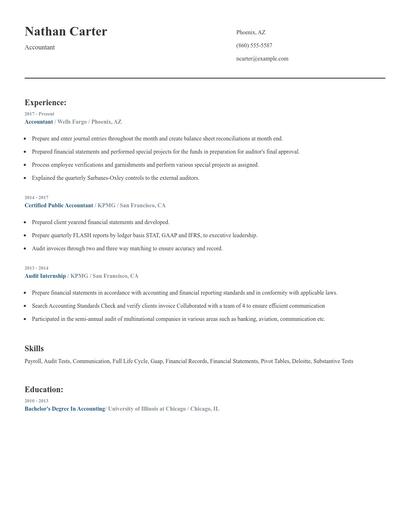
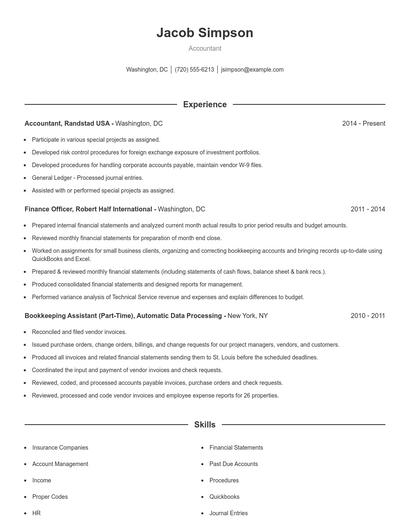
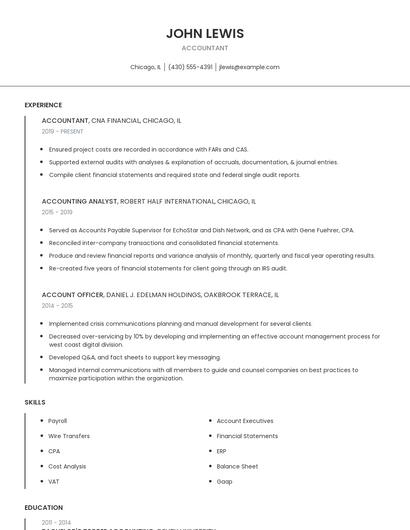
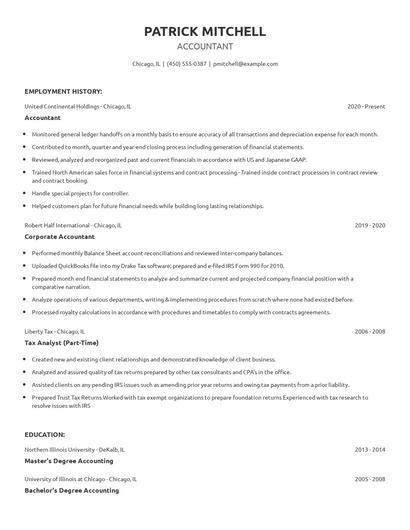
Choose from 10+ customizable resume templates
Zippia allows you to choose from different easy-to-use templates, and provides you with expert advice. Using the templates, you can rest assured that the structure and format of your resume is top notch. Choose a template with the colors, fonts & text sizes that are appropriate for your industry.