Explore jobs
Find specific jobs
Explore careers
Explore professions
Best companies
Explore companies
This question is about doctor education.
Is residency harder than medical school?
Yes, residency is harder than medical school, in general, due to the long hours, high workload, and increased responsibility involved in providing direct patient care. Medical school and residency are both challenging and demanding stages of a physician's training. However, the two differ significantly in terms of their scope, duration, and nature of responsibilities.
Medical school usually lasts four years and is a mix of didactic and clinical training. Students learn anatomy, physiology, pathology, pharmacology, and other foundational medical sciences. They also receive clinical experience through rotations in various specialties, such as surgery, internal medicine, pediatrics, and obstetrics and gynecology. Medical students are expected to pass several exams, including the United States Medical Licensing Examination (USMLE), to proceed to the next stage of their training.
Residency, on the other hand, is a post-graduate training program that lasts three to seven years, depending on the specialty. It involves working in a hospital or clinic setting under the supervision of experienced physicians. During residency, physicians receive comprehensive training in their chosen specialty, including diagnosis, treatment, and patient management. Residents may work long hours, including overnight shifts, and are responsible for caring for patients in both inpatient and outpatient settings.
One of the main differences in difficulty between residency and medical school is the level of responsibility. While medical students are still learning and are closely supervised by attending physicians, residents are expected to take charge of patient care and decision-making. They must work quickly and efficiently under pressure, often with minimal supervision. For example, a resident in the emergency department may need to manage multiple critically ill patients simultaneously while making critical decisions about their care.
Residency is also more physically and emotionally demanding than medical school. Residents often work long hours, including overnight shifts, which can be physically and mentally exhausting. They may be exposed to stressful situations, such as life-and-death emergencies, that can take a toll on their mental health. For example, a resident in a surgical residency may have to handle multiple emergency surgeries back to back.
Another difference is the level of competition. Medical school is competitive, but residency is even more so. Residents are evaluated frequently and must pass multiple exams to advance to the next level of training. They must also compete for coveted fellowships or jobs in their chosen specialty after completing their residency. The stakes are high, as the choice of specialty and fellowship can have a significant impact on a physician's career trajectory.
In the end, both medical school and residency are challenging stages of physician training, but they differ significantly in their duration, scope, and responsibilities. Medical school provides foundational knowledge and skills, while residency is hands-on training in a clinical setting. Residency is more physically and emotionally demanding, involves greater responsibility, and is more competitive than medical school.

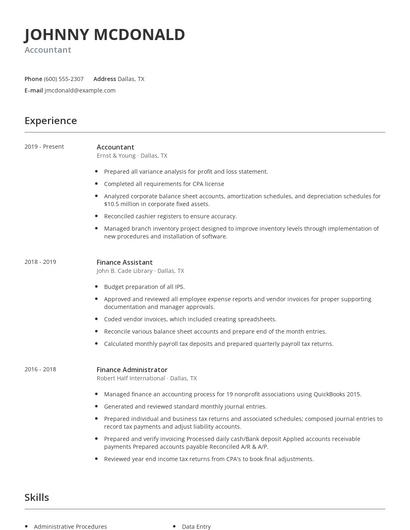
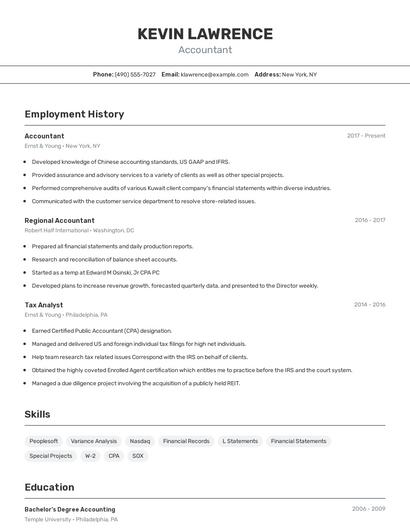
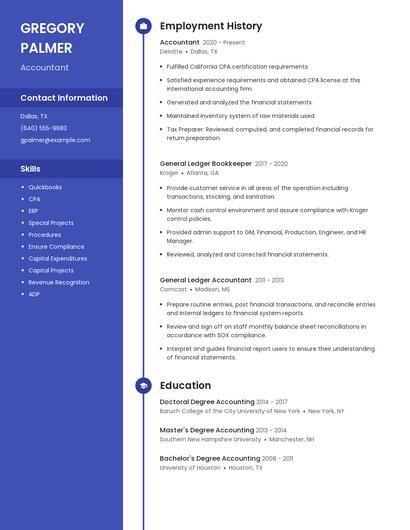
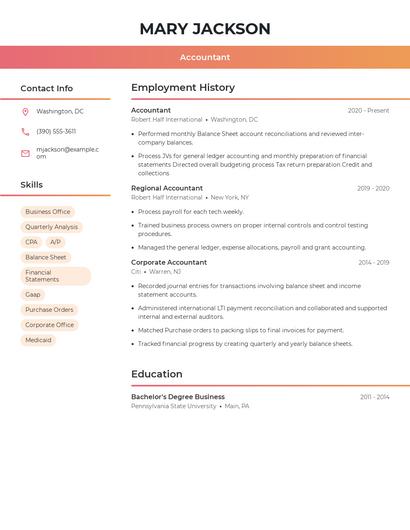
Choose from 10+ customizable resume templates
Zippia allows you to choose from different easy-to-use templates, and provides you with expert advice. Using the templates, you can rest assured that the structure and format of your resume is top notch. Choose a template with the colors, fonts & text sizes that are appropriate for your industry.