Explore jobs
Find specific jobs
Explore careers
Explore professions
Best companies
Explore companies
This question is about cyber security analyst skills.
On-the-job cybersecurity training
On-the-job cybersecurity training consists of developing industry-specific knowledge, skills, and awareness of best practices and techniques for keeping important or sensitive data secure.
Certain companies also utilize training to help policy development in terms of cybersecurity procedures. Some companies also have specific workshops designed to provide cybersecurity training for new employees.
These are for cybersecurity employees, as well as other closely-related employees that would benefit from the development of skills needed in managing digital information.
Cybersecurity training may include a wide array of subjects and applications. There are several standard topics that most companies cover in cybersecurity training; these include:
Data and record management. This focuses on one of the key components of cybersecurity training - how to manage and monitor a company's data in a secure nature. Processes like data transfers and secure file setups are often covered in this area.
Trainees will learn and apply best practices and procedures for the storage and access of key company data. They also learn how to properly prepare documentation and incident reports. These are essential to acknowledging and keeping risks in check, like those involving malware and viruses.
Installation protocols. This focuses on the installation of software and applications companies use to manage and maintain business data and also for communicating internally with staff or with shareholders and customers.
A trainee will learn how to install third-party applications and software programs efficiently and safely on company computers. Training in this area may also cover the risks of installing unlicensed software and give guidance on the appropriate programs that may be installed on company computers.
Password safety measures. Ensuring the safety and security of passwords is another fundamental area of cybersecurity training. This tends to focus on the creation of complex and strong passwords for different types of applications.
This may include passwords for secure information files, social media platforms, and company email accounts. Typically there is also an emphasis on the need to update passwords often to maintain security for different networks and accounts.
Alert response protocol. These procedures are taught to trainees to help them gain an understanding of the ways they can address, manage, and mitigate risks to a company's computer systems. There is a strong focus on topics like cyber attacks, phishing schemes, and data hacks.
They learn how to identify these activities, evaluate and gauge the risk, and ultimately report and fix the issue. Identification of other specific security breaches or threats is also covered, so cybersecurity employees can inform other staff about how to prevent or alert properly in the event a threat is realized.
Internet. This covers the use of the internet in broad terms of a company, as well as honing in on specific usages, such as email and mobile use. This is another essential aspect of cybersecurity training.
Best practices, procedures, and protocols are taught to trainees regarding the use of the internet in engaging in email communications, maintaining company social media accounts, and gaining access to sensitive business information from mobile phones and devices.
Some areas of focus include creating policies and procedures for social media and mobile devices, avoiding suspicious emails and links, and policies regarding data use and communication.
Implementing policy standards. Trainees are taught how to develop standards of policies and protocols used for data storage and management and internet usage within their company's network.
These also include many risk mitigation strategies, alert and emergency plans and responses, and effective techniques for keeping important data secure. Trainees are also exposed to how to educate non-technical company staff members on all policies and procedures they must know about regarding cybersecurity.
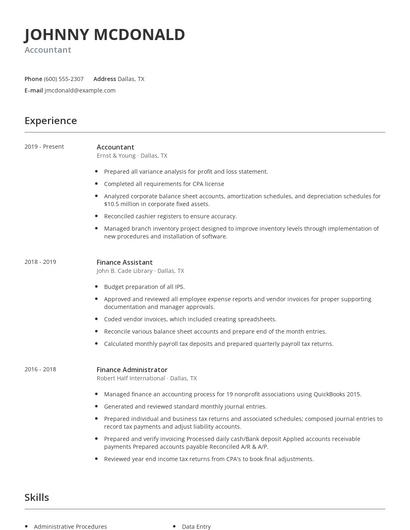
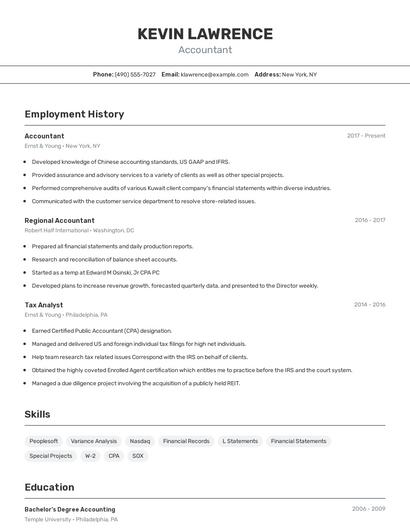
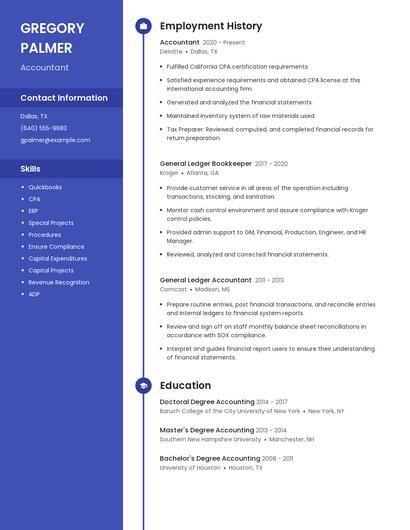
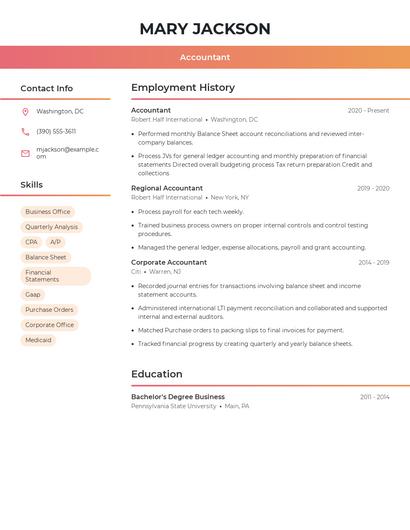
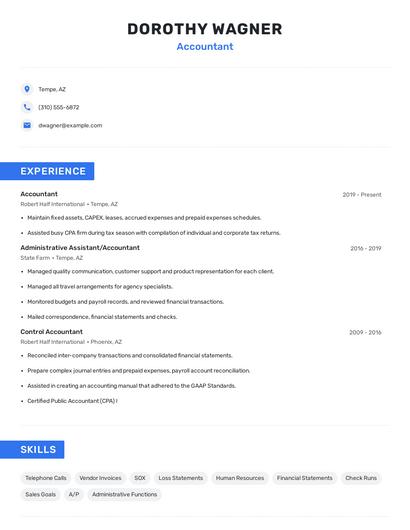
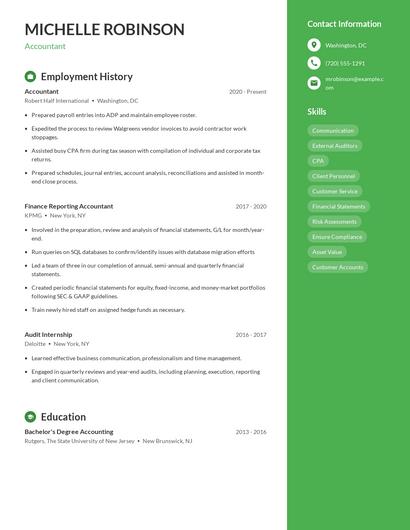
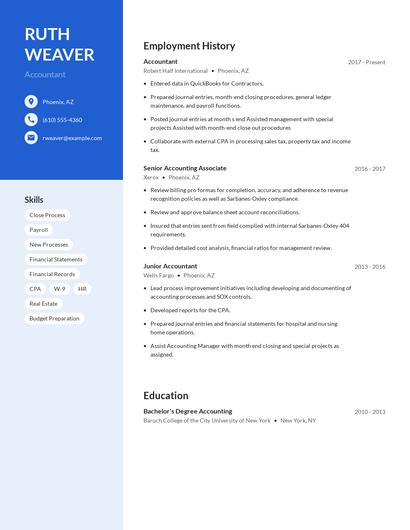
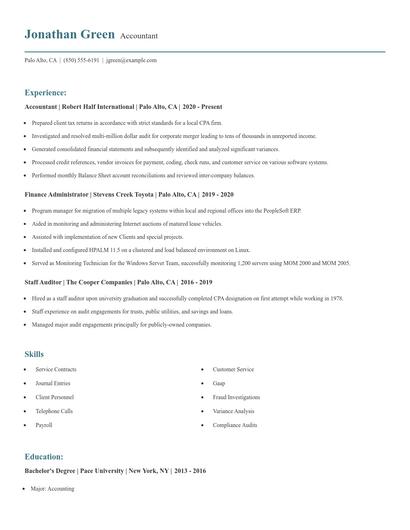
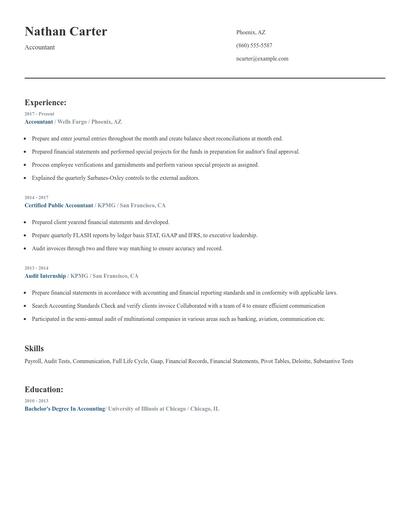
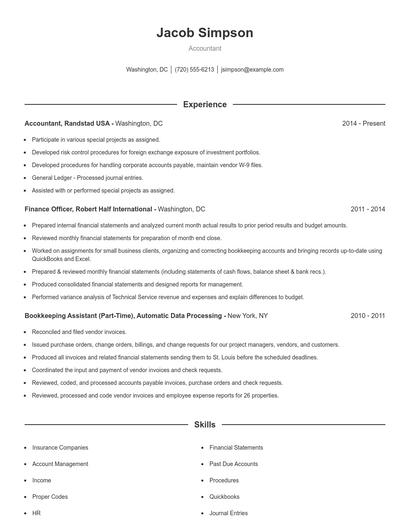
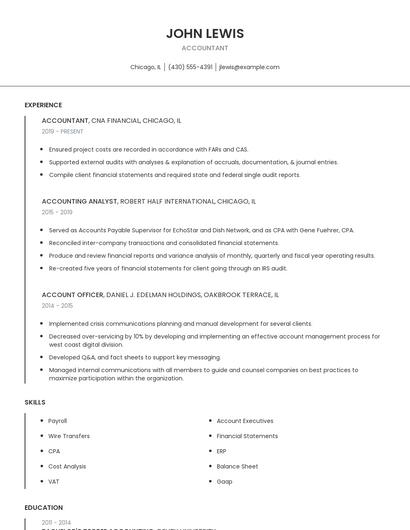
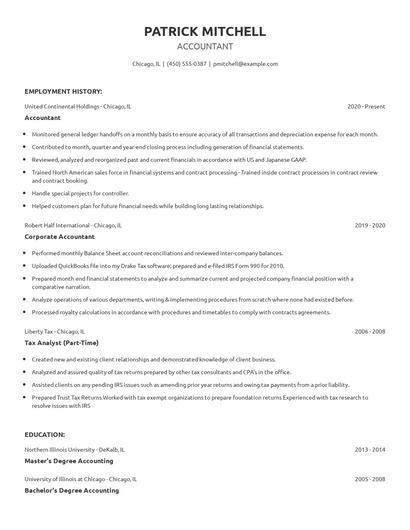
Choose from 10+ customizable resume templates
Zippia allows you to choose from different easy-to-use templates, and provides you with expert advice. Using the templates, you can rest assured that the structure and format of your resume is top notch. Choose a template with the colors, fonts & text sizes that are appropriate for your industry.