Explore jobs
Find specific jobs
Explore careers
Explore professions
Best companies
Explore companies
This question is about audiologist.
What are careers in audiology?
Clinical audiologist, pediatric audiologist, and educational audiologist are careers in audiology. Here is a closer look at these careers and others in audiology:
Clinical audiologist
Clinical audiologists are experts in the prevention, diagnosis, and treatment of hearing and balance disorders for patients of every age. However, some do specialize in the audiological treatment of specific groups.
Clinical audiologists employ a variety of equipment and testing strategies to then develop individually specific treatment and maintenance plans for their patients. They may prescribe and fit hearing aids or cochlear implants, and recommend specific hearing and balance-related medications.
Some clinical audiologists also provide counseling to their patients. During these sessions they may have their patients perform exercises that help with balance disorders, such as vertigo. In addition, they can refer patients to speech language pathologists and other medical professionals that can provide further treatment and support.
To become a clinical audiologist you must obtain a doctoral degree in audiology. You also must obtain a license to practice, requirements for licensing can vary state to state.
Audiologists can also obtain certification from the American Speech-Language-Hearing Association or the American Board of Audiology to advance their careers.
Pediatric audiologist
Pediatric audiologists specialize in the treatment of patients under the age of 21, which includes infants to teenagers.
Educational audiologist
Educational audiologists focus on children and teens' educational environments to see how they support any hearing or balance-impaired students' needs. They also provide the same kind of services that clinical and pediatric audiologists provide.
In the school setting, they work with teachers and administrators to better accessibility hearing programs and treatments. They also might take part in creating individualized education programs for students with audiological issues. In addition, they give counseling and therapy sessions to students with hearing issues.
Educational audiologists may also lend their expertise to recommendations for how to adapt classrooms to ideal sound function for the hearing impaired.
The qualifications and requirements for an educational audiologist are the same as a clinical audiologist.
Forensic audiologist
Forensic audiologists use their specialized skills and training for legal purposes. For instance, they might evaluate an individual who is seeking compensation in a lawsuit because their hearing was damaged in a workplace accident or because of company negligence.
The forensic audiologist would test this individual's hearing and determine if their claim is valid. In the courtroom setting, they may provide expert testimonies related to this lawsuit and either say their claim warrants compensation or is invalid.
Forensic audiologists must remain neutral and base their conclusions on their tests and expert audiological knowledge. Forensic audiologists are often clinical audiologists who take on legal work as it comes, as such, they must have all of the qualifications and requirements of a clinical audiologist.
Audiology Assistant
Audiology assistants help audiologists provide their services to patients. They may work in an audiologist's private office, in a hospital or other medical facility, or in a business that provides hearing services.
Some common tasks for this role include setting up equipment, cleaning equipment, administering hearing exams and tests, taking down patients' test results and other important patient information, and giving directions to patients involving hearing aids and other treatments.
Many audiology assistants also have office responsibilities, such as scheduling appointments, answering phones, preparing billing documents, and stocking office supplies.
Audiology assistants must have at least a high school diploma or equivalent to be considered eligible for the role. However, many employers prefer a related bachelor's degree for candidates in this field.
Aspiring audiology assistants can also pursue certification through a program at the American Speech-Language-Hearing Association (ASLHA). This certification requires candidates to have taken specific education courses in audiology and to have a certain amount of clinical experience. Candidates must also pass an exam to earn this certification.
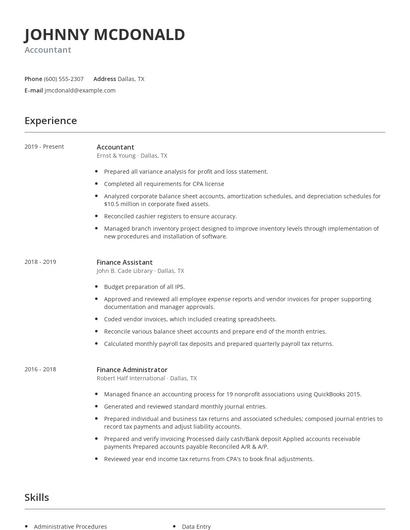
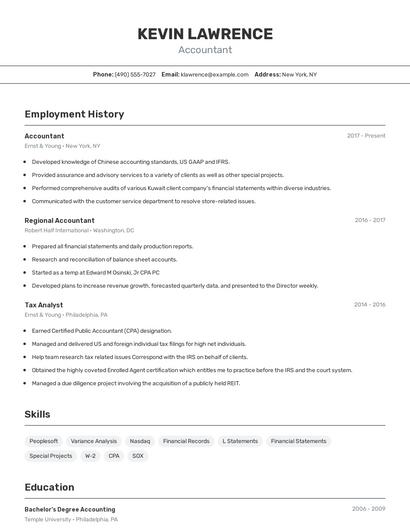
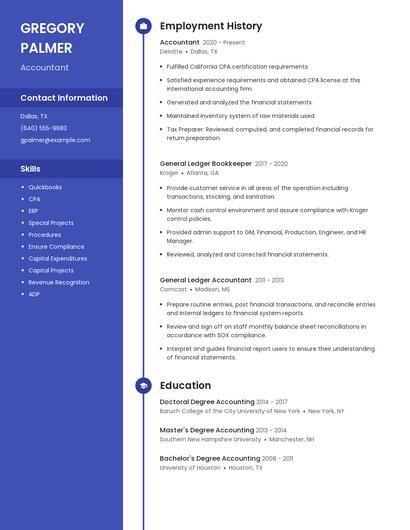
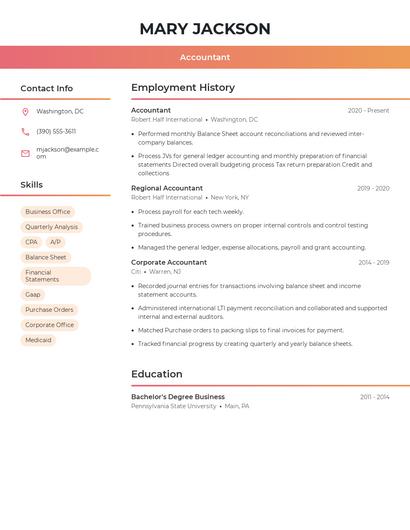
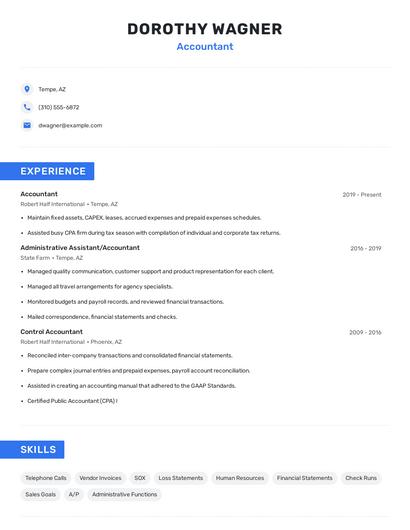
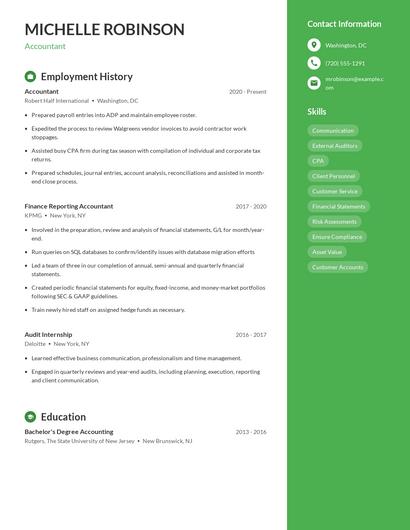
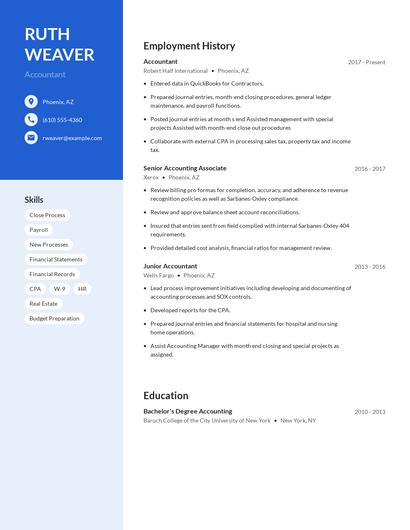
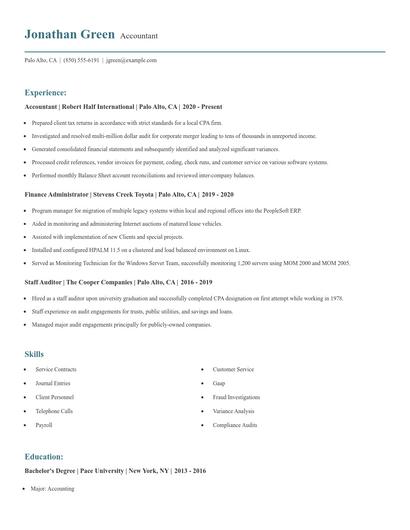
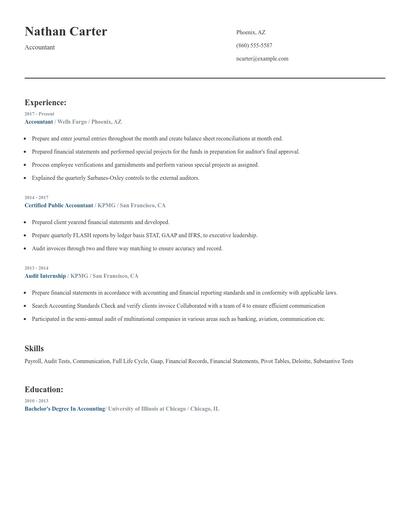
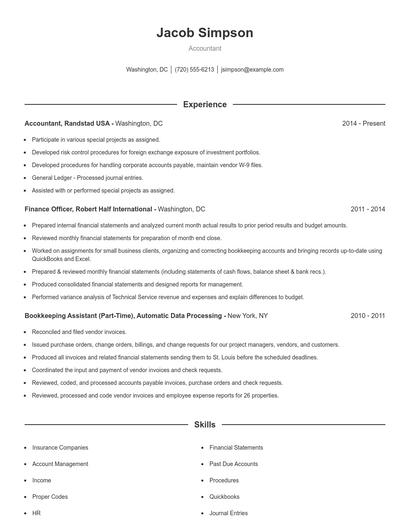
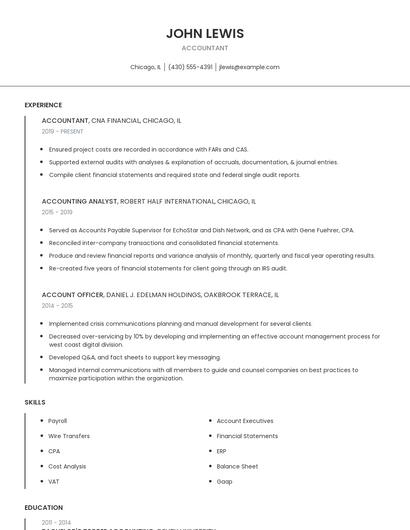
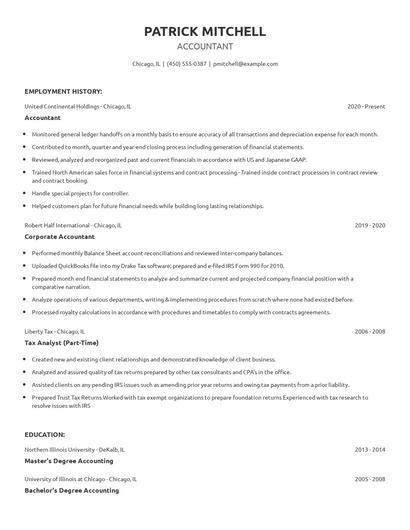
Choose from 10+ customizable resume templates
Zippia allows you to choose from different easy-to-use templates, and provides you with expert advice. Using the templates, you can rest assured that the structure and format of your resume is top notch. Choose a template with the colors, fonts & text sizes that are appropriate for your industry.