Explore jobs
Find specific jobs
Explore careers
Explore professions
Best companies
Explore companies
This question is about interactive digital media specialist.
What are careers in digital media?
Digital media photography, video editing, and video game design are careers in digital media. Here is a more detailed look at these careers and others in digital media:
Digital media photographer
Digital media photographers are the same as traditional photographers, the only exception being that instead of capturing an image on film and developing the negative, they capture images digitally, meaning in a computer file format. Their main goal, whether creative or news-related, is to tell a story through the photographs they take.
Digital media photographers also almost always utilize computer software to enhance or edit the images they take. They may also use these programs to add filters or crop and resize images.
There are many different avenues you can pursue within digital media photography, such as photojournalism, fine art photography, wedding and portrait photography, landscape photography, fashion photography, wildlife photography, music photography, and many more.
Photographers may hold full time positions at companies, work freelance, or run their own photography studio. The type of photography you focus on will dictate what status of work you receive.
A bachelor's degree in photography can be helpful, as you are likely to add a lot of material to your photography portfolio while in college. However, higher education is not a requirement in this field.
No matter what, you should seek to build your portfolio around a specific type of photography work, whatever most interests you and exhibits your talents.
Video editor
A video editor uses editing software to edit or "cut" together splices of captured video in order to tell a story. Video editors work in many different areas, including film and TV, commercials, social media marketing and campaigns, internal corporate videos, and other forms of advertising.
In most cases, a video editor works off of a script for a specific project and collaborates with the director of the piece. They also may add special effects, music, ADR (dialogue recorded post filming), and animation, to their video projects. Many video editors work as freelancers on a project to project basis. However, there are also some that hold full-time positions at places like production companies, movie studios, and news outlets.
Video editors can learn their craft by obtaining a bachelor's degree in the field, or utilizing online classes, workshops, and video editing tutorials.
Video editors must also have a demo reel of their work. This is a compilation of some of their best projects. Demo reels are often updated on a consistent basis.
Video game designer
Video game designers work for large and small video game production studios. They are involved in every step of creating a video game, from brainstorming general ideas and then creating the plot, characters, and style of gameplay. Game designers usually use scripting languages that allow them to test concepts within the game design.
Some video game designers may also act as video game developers, and be responsible for the coding and other technical aspects of creating a video game. Video game developers will use different types of coding languages depending on what they need to do, and what platform the game is on.
Most video game designers have bachelor's or advanced degrees in video game creation, software engineering, software development, or another related field.
Web developer
A web developer's main concern is to build and maintain the core structure of a website. They have tasks that deal with more technical work, including coding and utilizing advanced program languages. They are also tasked with configuring the server, and databases on the back-end, as well as instilling user features and functionality.
Many stick to these broad functional and structural concerns, but web developers may also participate in tasks centered around the layout and visual elements of a website. They can deal with brand imagery, color palettes, fonts, and other visual aspects. Many will even create a web design style guide to ensure that each website looks consistent. They can also be involved with the research and testing phases of a website.
Many web developers hold bachelor's degrees or advanced degrees in web development, or a related field.
However, some pursue this career through online classes or by attending a tech Bootcamp. Generally, these options are significantly cheaper than college degrees.
A strong web development portfolio is a must for advancement in the field.
Graphic Designer
Graphic designers are very common in the digital media landscape. They are visual communicators who create concepts by hand or by using specialized graphic design software. They communicate ideas to inspire, inform, or captivate consumers through both physical and virtual art forms.
This includes pictures, words, or graphics. Graphic designers communicate with department heads, clients, customers, and other designers, to ensure that their designs accurately reflect the desired message and effectively express the desired information.
Some common imagery a graphic designer works on includes website images, newspaper ads, posters, media images, product labels, and logos.
Graphic designers may choose to work on a freelance basis or in full or part-time positions at companies.
Most graphic designers get a bachelor's degree in graphic design. A career in the field is possible without a degree. However, you will need to gain the necessary skills and knowledge related to graphic design software, and build an impressive portfolio of work.

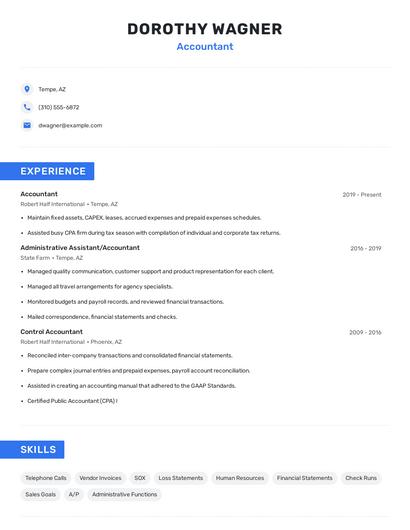
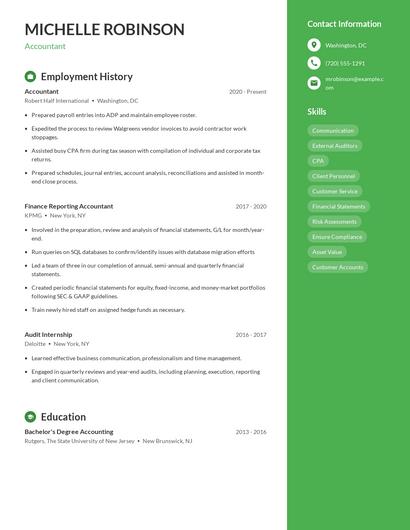
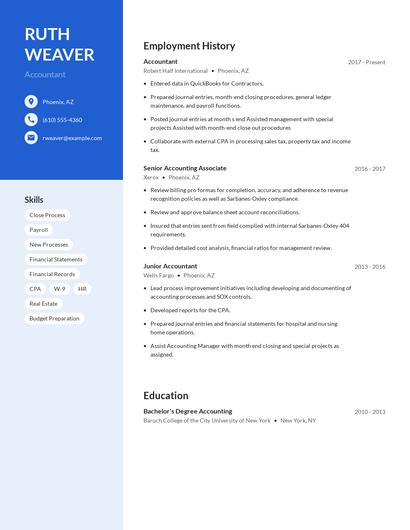
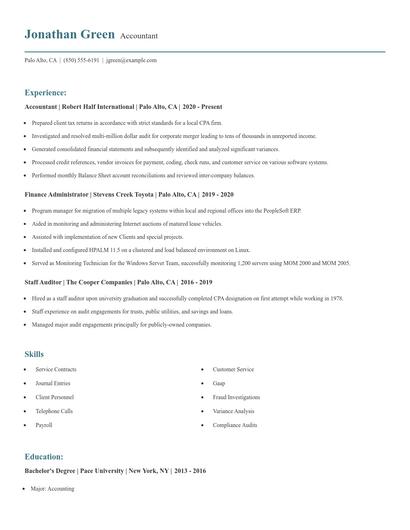
Choose from 10+ customizable resume templates
Zippia allows you to choose from different easy-to-use templates, and provides you with expert advice. Using the templates, you can rest assured that the structure and format of your resume is top notch. Choose a template with the colors, fonts & text sizes that are appropriate for your industry.