Explore jobs
Find specific jobs
Explore careers
Explore professions
Best companies
Explore companies
This question is about employer.
What are employees' rights when a company closes down?
When a company closes down, an employee has contract rights, company policy rights, and statutory rights. Under these categories, employees have many rights when their company shuts down. First, let's look at the differences between these sets of rights:
Contract rights
These types of employee rights come from employee contracts. Employees covered by a collective bargaining agreement or union might receive protection from the specifics of employee contracts in the event they lose their job due to the closure of their company.
Company policy
Employees can also have rights outlined in company policies and specific regulations. Rights in this category might include severance pay, the extension of employee benefits programs, or the need for written notice of a company shutdown.
Statutory rights
Federal or state governments have instituted these rights on behalf of employees. These rights include items like unemployment benefits and government assistance in the event of a company shutdown.
Here are some specific rights you might have when your company closes down:
A final paycheck
You have the right to receive a final paycheck after your company shuts down. The timeline of this process is determined by your state government's policies and laws on the matter.
The amount and length of time you receive this right varies, depending on your state and your specific company's policies.
Many states force employers to include the following on your final paycheck:
Include all of your saved and unused vacation time
Include all of your sick days
Include all of your paid time off
Again, specific details depend on your state and your company's policies.
Severance Pay
Severance pay refers to a pay package you receive after the termination of your job or after being laid off due to a company closing down. The specifics depend on your company's policies and also your specific employment contract.
In most cases, severance pay is determined by your employer and not by the state or federal government.
Healthcare benefits
In certain cases, you might have the legal right to continue your employer's health care benefits for up to 18 months after your company closes.
Federal law Consolidated Omnibus Reconciliation Act (COBRA) might also provide you with continued benefits regarding your workplace insurance policy for a certain period after your company shuts down.
A notice of the shutdown
This right is associated with the federally mandated act called Worker Adjustment and Retraining Notification (WARN). WARN requires employers to give you at least 60 days' notice in case of company closure.
If your company fails to provide you with this notice, you have legal grounds to collect wages and benefits for each day it fails to do so.
There are some exceptions to the 60-day notice law, including:
Company shutdown as a result of strike or lockout
Natural disasters, such as hurricanes, floods, tornados, or earthquakes
Business factors that were not easily foreseeable for your company
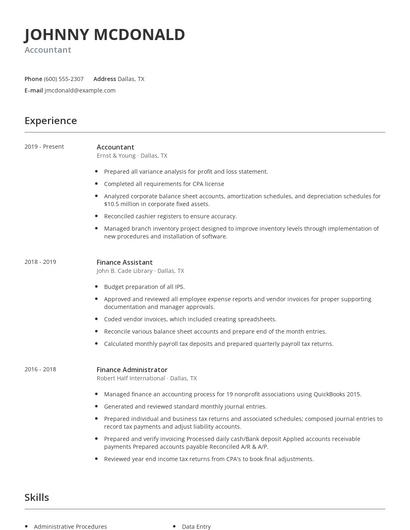
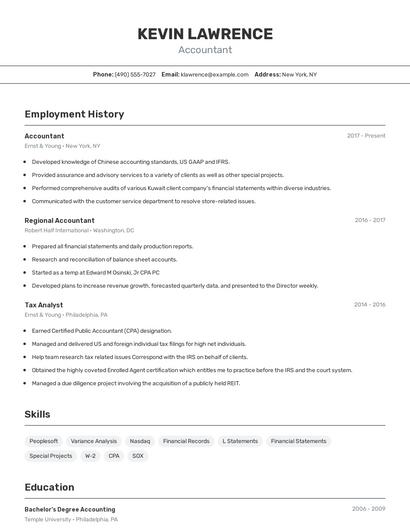
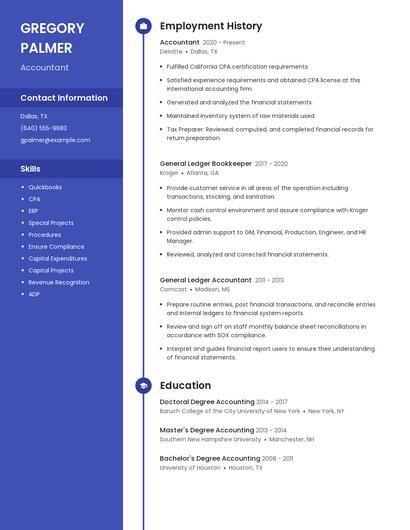
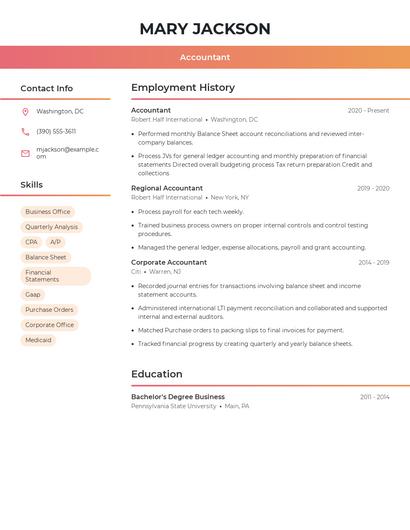
Choose from 10+ customizable resume templates
Zippia allows you to choose from different easy-to-use templates, and provides you with expert advice. Using the templates, you can rest assured that the structure and format of your resume is top notch. Choose a template with the colors, fonts & text sizes that are appropriate for your industry.