Explore jobs
Find specific jobs
Explore careers
Explore professions
Best companies
Explore companies
This question is about list of skills.
What are some examples of PTO policies?
Some examples of PTO policies include vacation time, sick leave, bereavement leave, paid holidays, and floating holidays. Most of these are fringe benefits that companies are not required to offer but often do in order to attract and retain talent. Here is a closer look at each of these types of PTO policies and some others:
Vacation time
Many companies offer their employees paid time off in the form of vacation days. Companies have varying policies concerning paid vacation days. Most fall in the range of one to two weeks per year, however, some organizations can offer more vacation time, even up to a whole month off.
Sick leave
Organizations normally have an allotted amount of sick days they give their employees. This type of PTO can also have varying amounts per employee depending on the company. Many have policies that give employees a certain number of paid sick days per year, and if the employee goes over the amount, then they are not paid for additional sick days taken.
Bereavement leave
Bereavement leave is a period of time employers give employees off from work due to a death in their family. Most of the time this only applies to immediate family members, and it is up to each individual company to define what an immediate family member is.
Paid holidays
Paid holidays are fairly self-explanatory. Companies offer employees off from work for traditional or national holidays, and they pay their employees in full for that day. The average company in the United States recognizes 10 holidays per year, though not all companies have a PTO policy for holidays.
Floating holidays
Floating holidays are when employers offer employees additional PTO days in addition to standard paid time off periods or vacations. Employees can then use a floating holiday as a substitute for a public holiday. Then they have the ability to use this substituted day on just about any day they wish, this could be for: an employee's birthday, religious observation, etc.
Personal days
Some companies also have a PTO policy concerning personal days. These days are normally used by employees in the event of emergencies, other unforeseen circumstances, attending appointments, like a doctor's visit, or if they are moving. They might also just be used to take a break from work to combat burnout and focus on mental health.
Jury duty
Jury duty is another PTO policy. All US citizens are required to respond to jury duty when summoned. While being on a jury does often offer a minimal amount of income, some companies choose to have a PTO policy for jury duty days, so their employees don't miss out on any paychecks while they are doing their public service.
Many companies also have PTO policies regarding maternity and paternity leave. The amount of time off varies from company to company. And some organizations enable employees to extend their parental leave, however, they might make this extension unpaid leave in certain cases.

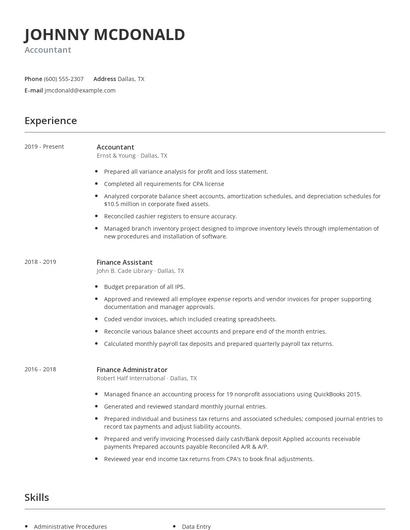
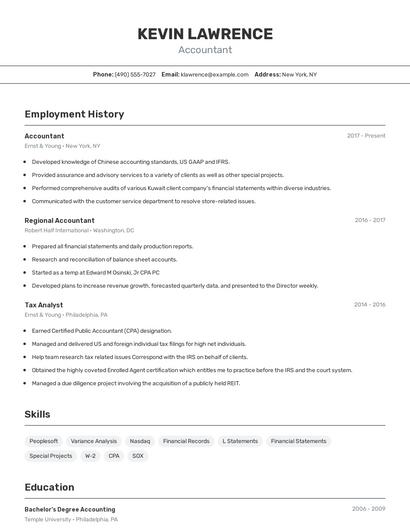
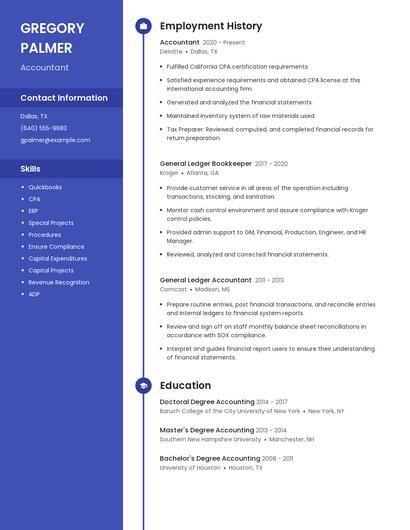
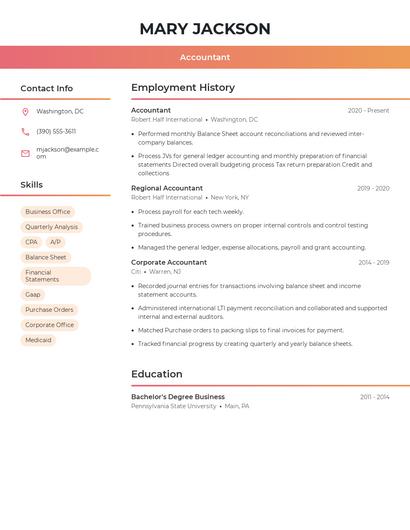
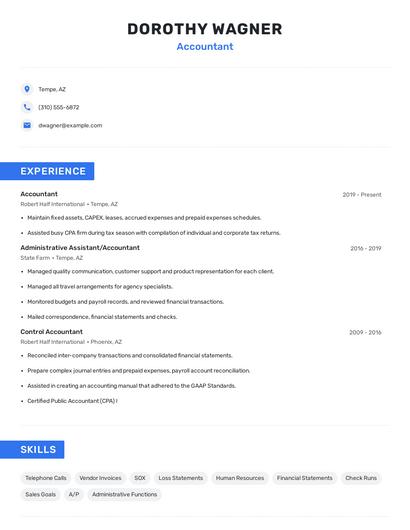
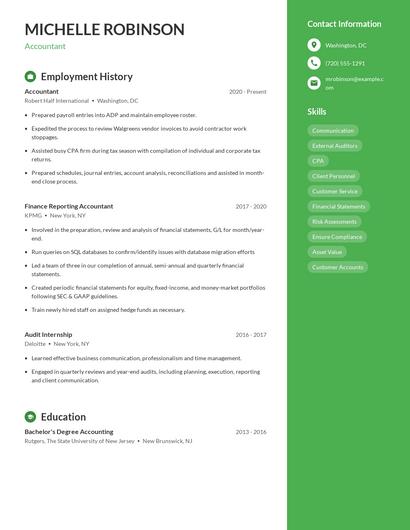
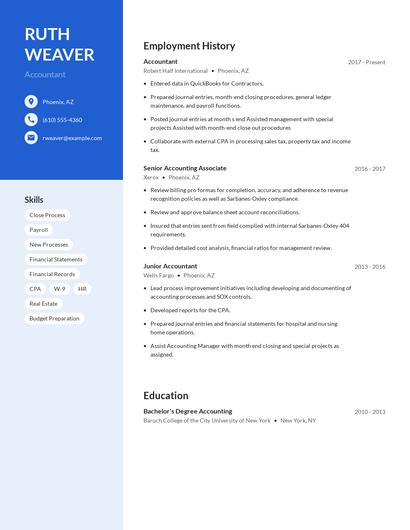
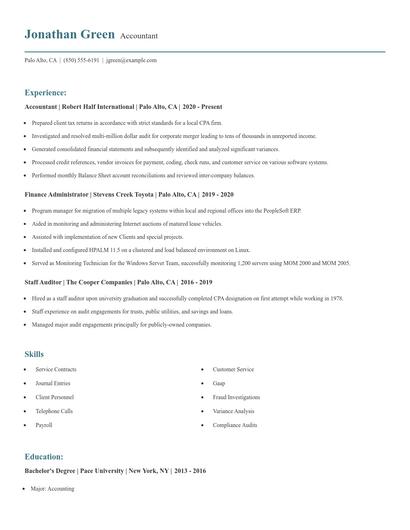
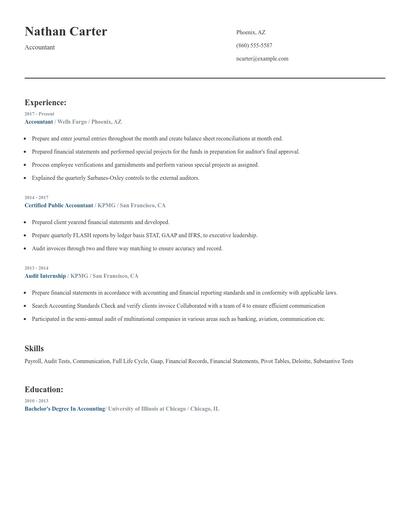
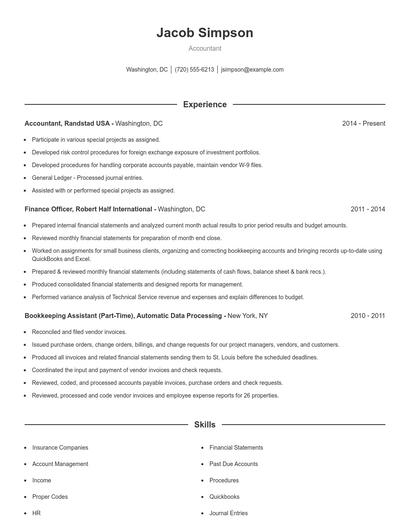
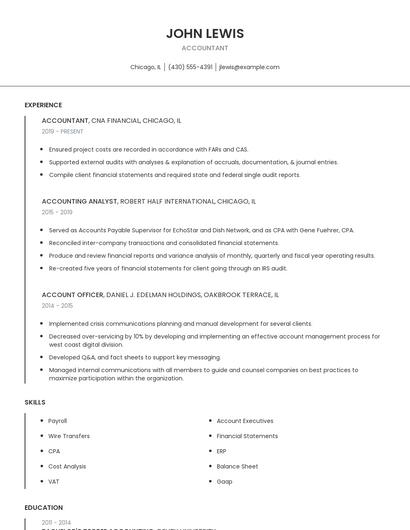
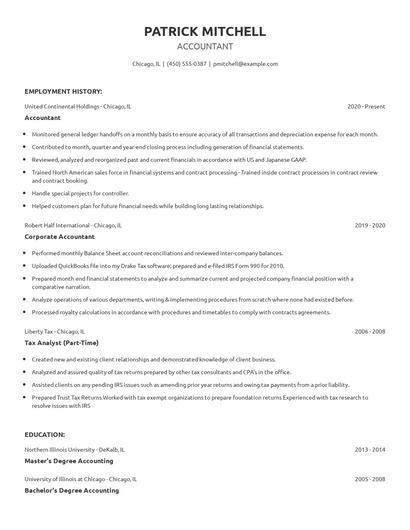
Choose from 10+ customizable resume templates
Zippia allows you to choose from different easy-to-use templates, and provides you with expert advice. Using the templates, you can rest assured that the structure and format of your resume is top notch. Choose a template with the colors, fonts & text sizes that are appropriate for your industry.