Explore jobs
Find specific jobs
Explore careers
Explore professions
Best companies
Explore companies
This question is about employer.
What are the four phases of onboarding?
The four phases of onboarding are pre-boarding, welcoming new employees, role-specific training, and transitioning into the new position. Here is a closer look at each of the four phases in the onboarding process:
Pre-boarding
The first phase takes place before the onboarding process begins. New hires normally start with the pre-boarding process. Pre-boarding is a new hire method that takes place before the new employee's first day, and can be accomplished by sending any new employee an email with some or all of the following contents:
Any necessary paperwork that new hires at your company need to fill out
The start date, time, and location for new employees
A PDF or other file format of your employee handbook
The schedule of the employee's first day and first week
Any relevant usernames or passwords for company accounts that a new employee needs
A list of items employees need for their first day, like relevant documents or other necessary information
A document with details on the company dress code policy
Instructions for parking and entrance into the company's building or facility
Any other company-specific information that a new hire should know before their first day should also be included in this communication.
Welcoming new employees
This phase of onboarding can vary at different companies, but it usually contains some or all of the following elements:
Preparing new employees' workspaces
New hires working environments should be prepared before their first day. This goes for those working in private offices, cubicles, or within an open office floor plan.
A tour of the facilities
This can happen prior to their first day if new hires need to be in the office for any other reason, or on their first day of work. They should also be informed about any other essentials of their workspace.
New hire orientation
This gives the new employees the chance to sign any necessary documentation and also provides the opportunity for them to learn about the company's culture, review any organizational charts, and understand how different teams and departments collaborate.
Introductions to coworkers and supervisors
This can be done during their tour of the facilities, or at some other point, but should be done on the first day of their job, or at least no later than one week after they start. New hires need to be introduced to all employees that they will be interacting with.
Role-specific training
This phase of the onboarding process sees new hires being trained for their position. They can be mentored by veteran employees or simply shadow an experienced employee. Training can vary depending on industry and role.
Transition into the new position
The last phase of the onboarding process involves managers and/or supervisors informing the new employees of what is to be expected of them in terms of responsibilities, output, and objectives. You should also consider doing a review of their performance one month or one quarter after they begin working.

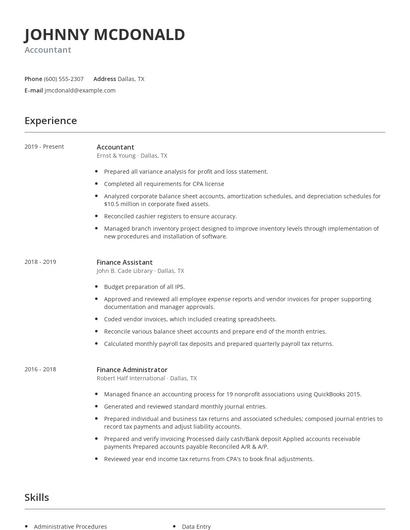
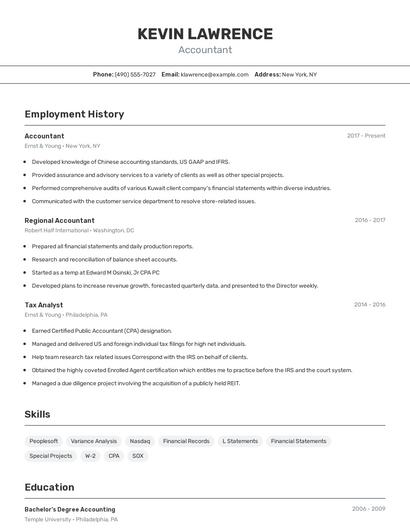
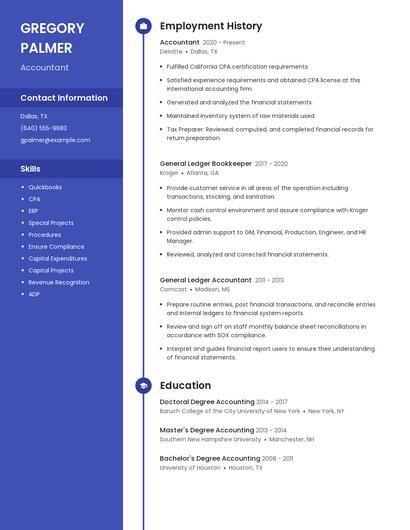
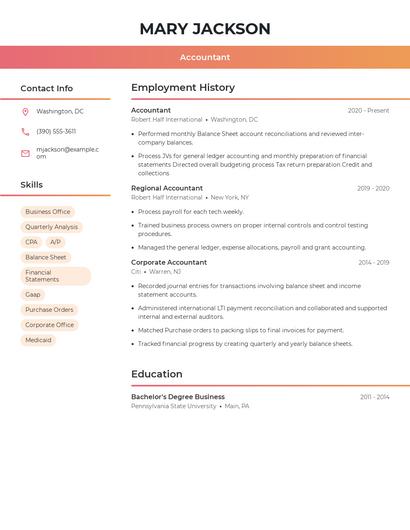
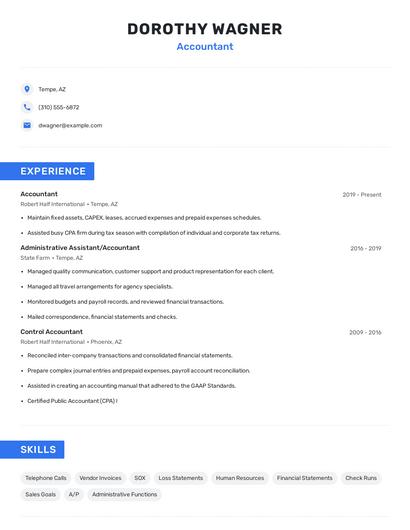
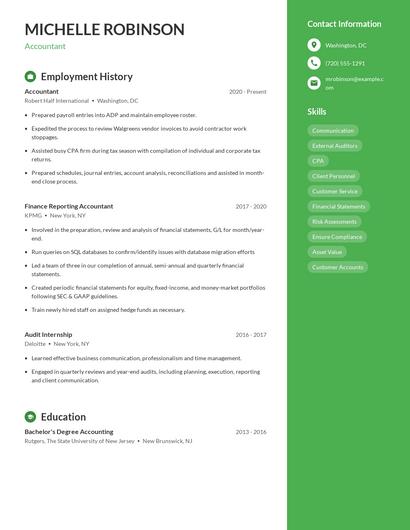
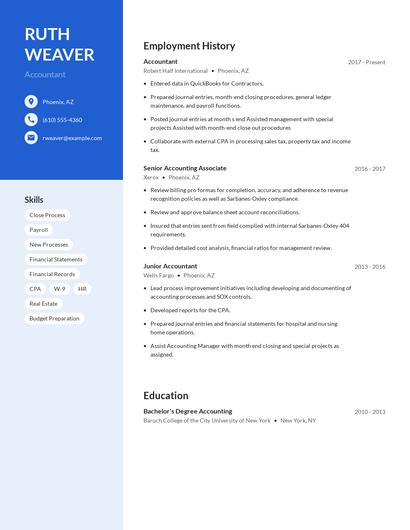
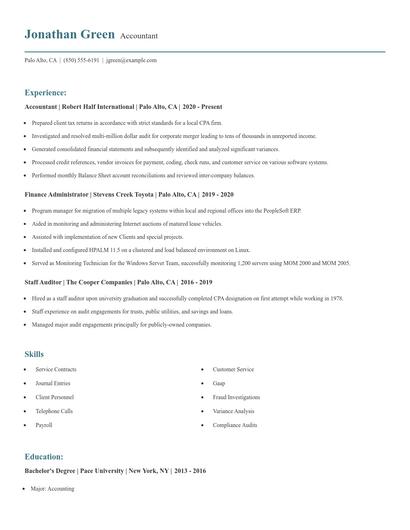
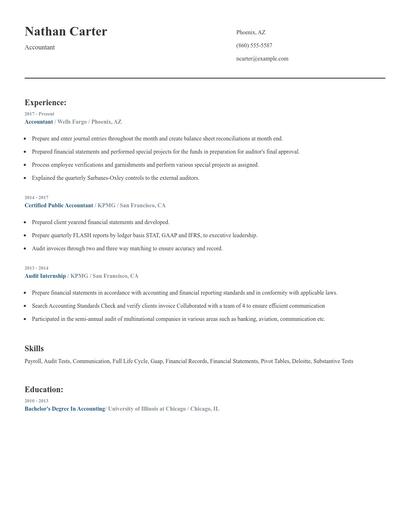
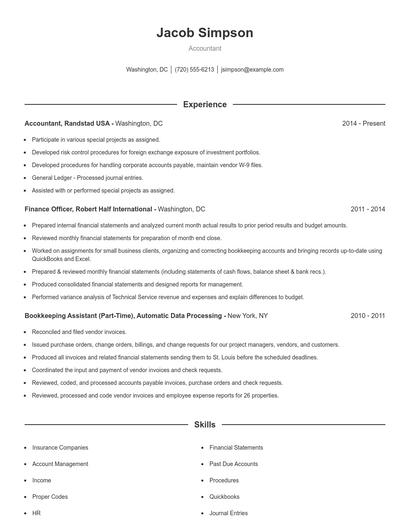
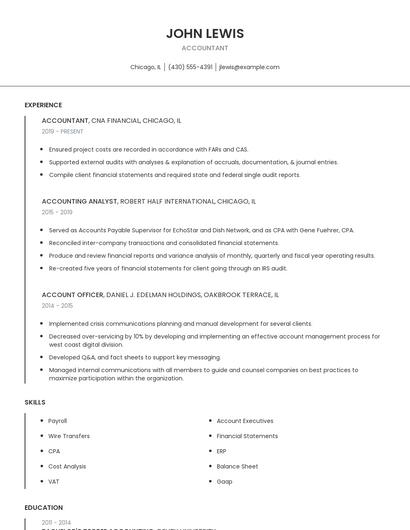
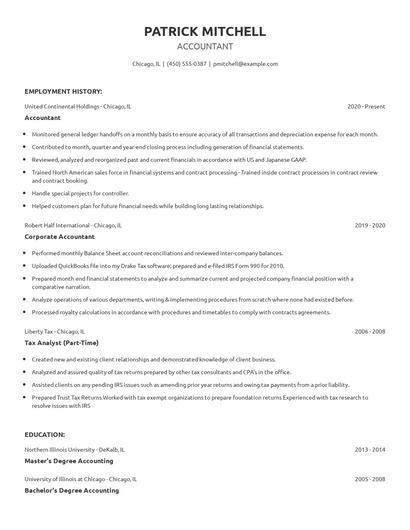
Choose from 10+ customizable resume templates
Zippia allows you to choose from different easy-to-use templates, and provides you with expert advice. Using the templates, you can rest assured that the structure and format of your resume is top notch. Choose a template with the colors, fonts & text sizes that are appropriate for your industry.