Explore jobs
Find specific jobs
Explore careers
Explore professions
Best companies
Explore companies
This question is about what a postal carrier does.
What are the pros and cons of being a mail carrier?
The pros and cons of being a mail carrier relate to minimal education requirements, decent wages, and job growth. Here are the pros and cons of being a mail carrier:
Pros:
Minimal education requirements. One of the biggest pros of being a mail carrier is that you only need a high school diploma or equivalent as an educational requirement. Most mail carriers also must pass a criminal background check and, in some cases, a drug test.
Good wages relative to the work. A mail carrier makes an average wage of around $20 per hour in the United States. And in certain states, their wages are even higher, like in California, where a mail carrier makes an average of $27.55 per hour.
Many mail carrier jobs also allow employees to get overtime hours; for instance, in California, a mail carrier makes an average of $6,630 additional overtime pay per year.
It's a job that keeps you active. Mail carriers also have the ability to stay active while working because there can be a lot of walking and lifting involved with the job. So essentially, it can be a job that helps to keep you physically fit because you get exercise at work.
Every day is different when you're a mail carrier. Being a mail carrier means you get variety in the realms of excitement and daily dramas. You also get to learn about your town or city better than most by driving different routes.
In addition, you also get to develop good relationships with fellow citizens in your communities and meet new people as well.
Good work-life balance. Most mail carriers work traditional 40-hour work weeks, with overtime available during seasonal package rushes. Many experience the typical 9 to 5 work life, though, giving them plenty of time to spend with family and friends or on hobbies.
Most of the time, you are your own boss. One of the greatest benefits of this profession is the absence of a boss looking over your shoulder all day. While you will have a superior, your day will mostly be spent outside of the post office and on your route delivering mail.
Your primary goal is to deliver the mail to those on your route, which you cannot do couped up in an office all day. Therefore, you will not have much time to interact with your boss since there's so much work to be done. That means you can mostly avoid the stress and annoyance some bosses have on employees.
Mail carrier employee benefits. Most mail carriers get good employee benefits; for example, mail carriers that work for the USPS also receive a good number of benefits, including: Health insurance, Vision insurance, Dental insurance, Flexible spending account, Paid time off, Retirement plan, and Life insurance.
The minimal requirements relative to decent pay and good benefits round out the pros of being a mail carrier.
Cons:
Being a mail carrier can be stressful at times. Many mail carriers experience mostly stress-free work; however, sometimes, this is not the case. Delays in delivering mail due to traffic and other issues can cause stress. Mail carriers in large cities also have to contend with a lot on their walking routes.
Construction, confusing apartment mailboxes, and many other issues can contribute to a mail carrier's stress in this setting.
Dogs. This sounds cliche and stereotypical, but it is generally true that dogs have adverse reactions to mail carriers. This is not always the case, of course, and you may even befriend a couple of pooches along your route, but most mail carriers experience, at the very least, a lot of dogs barking at them throughout their work day.
Dogs are trained to protect their property, so when they see a stranger, their first intuition is to bark at them. The uniform of a mail carrier can also throw some dogs off. Many dogs have negative reactions to uniforms and individuals wearing hats.
Job growth. One of the biggest cons of being a mail carrier is there is not much room for career growth. If you want to eventually move up into a managerial role, you need to have a bachelor's degree in most cases.
So if you got your mail carrier position straight out of high school, you would have to spend some money on higher education before you can be promoted to a higher-paying role in the mail industry.
You must be punctual. Mail carriers perform a time-sensitive job with items needing to be delivered within a short window. Therefore, you must be accurate and quick when delivering parcels or letters. To make sure you hit that window, you must always be on time for the job.
Physically demanding work. As was mentioned in the pros, mail carrier can be a physically demanding job, and while this can help you stay fit as a positive, it also opens you up to chronic pain issues and soreness. Sometimes you have to lift extremely heavy mail items, meaning you must be careful not to strain yourself or hurt your back.
Bad weather. Unless you are working in Southern California or another area with a pretty consistent sunny climate, you are going to encounter bad weather as a mail carrier. Snowy and rainy days, in particular, can be quite grueling for mail carriers.

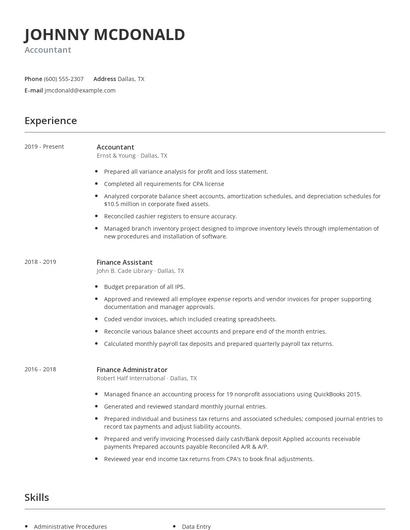
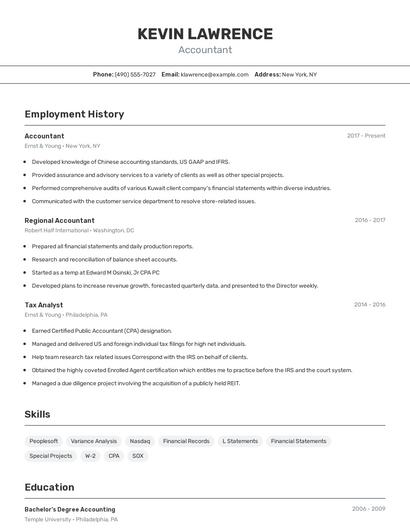
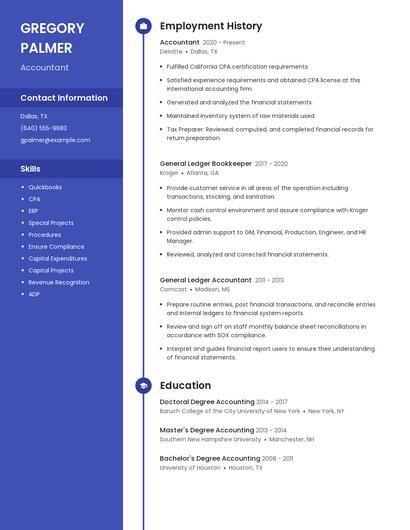
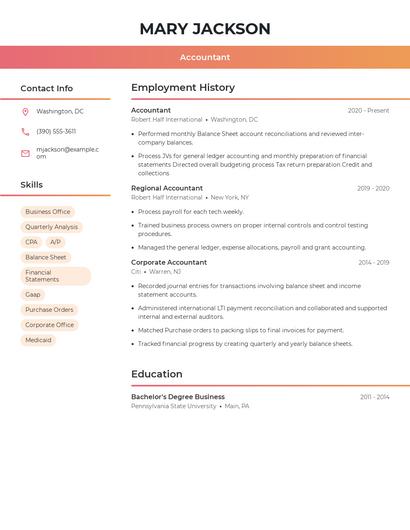
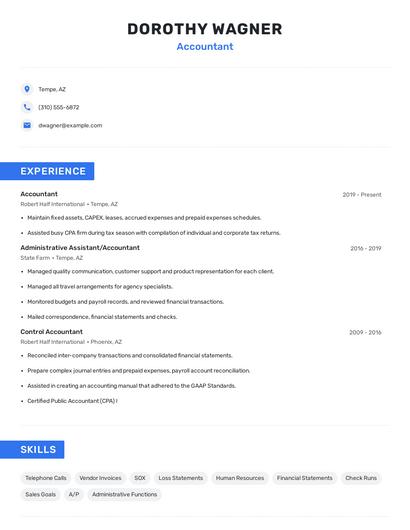
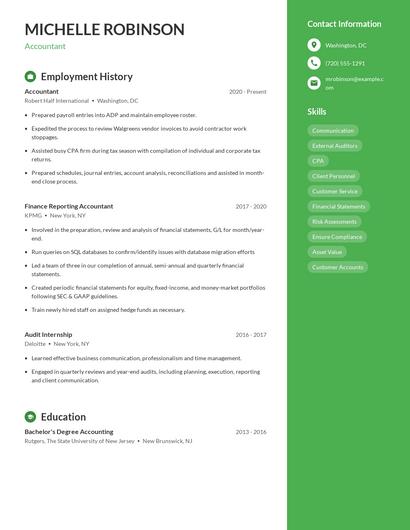
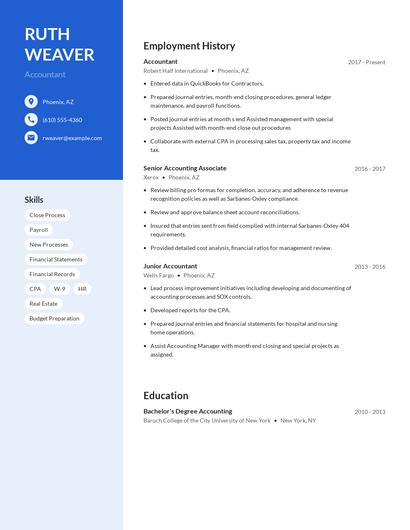
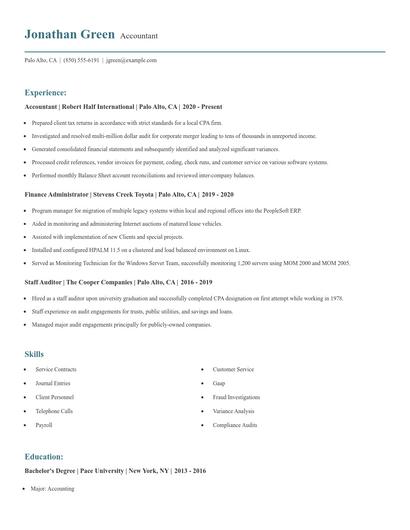
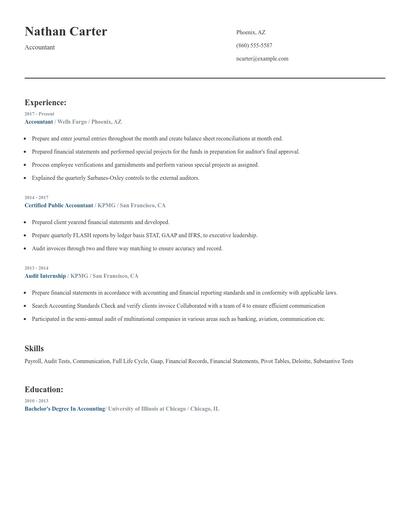
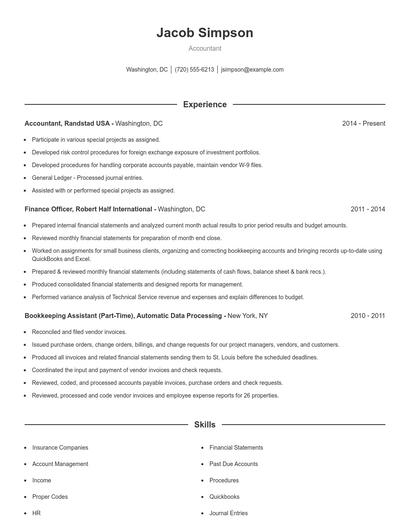
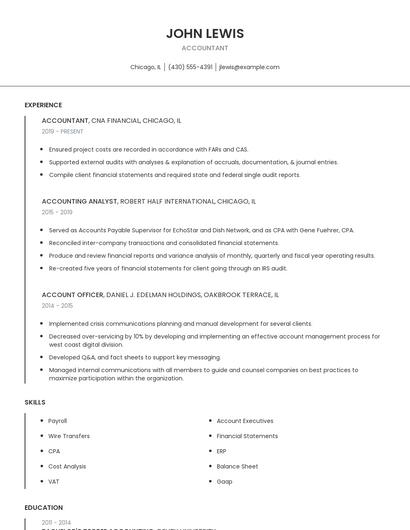
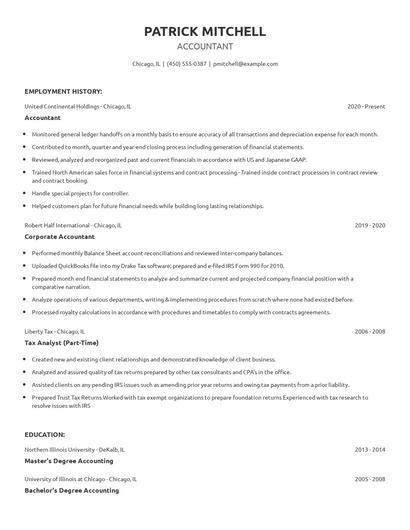
Choose from 10+ customizable resume templates
Zippia allows you to choose from different easy-to-use templates, and provides you with expert advice. Using the templates, you can rest assured that the structure and format of your resume is top notch. Choose a template with the colors, fonts & text sizes that are appropriate for your industry.