Explore jobs
Find specific jobs
Explore careers
Explore professions
Best companies
Explore companies
This question is about nurse practitioner.
What are the pros and cons of being a nurse practitioner?
The pros and cons of being a nurse practitioner relate to salary, diverse medical environments, and expensive education. Here are the pros and cons of being a nurse practitioner:
Pros:
Nurse practitioners tend to make very high salaries. This is due to the extensive schooling and training they have had to complete to become nurse practitioners.
Nurse practitioners make impressive salaries, with the average nurse practitioner earning an annual wage of $118,358 in the United States. Nurse practitioners' salaries can vary depending on their medical setting but tend to be very high.
Getting to help people and making a considerable impact in their lives. This pro to being a nurse practitioner means that most nurse practitioners experience a wealth of personal satisfaction, fulfillment, and purpose during their careers in the medical field.
Many nurse practitioners save people's lives, and there is arguably no greater impact you can have on a person's life than to save it from demise.
You can practice many different forms of medicine as a nurse practitioner. There is a diverse list of specializations in being a nurse practitioner. As such, a medical student shouldn't have trouble finding the right fit.
There are nurse practitioners in family medicine, pediatrics, internal medicine, cardiology, oncology, infectious disease, and many other fields. This abundance represents an expansive amount of knowledge one can pursue.
Diverse medical environments. Nurse practitioners can work in many different medical environments, such as hospitals, private practices, medical clinics, mental health hospitals, inpatient and outpatient clinics, urgent care centers, and many other medical facilities.
Nurse practitioners may also work for specific organizations, schools, or government institutions.
Cons:
Expensive and lengthy education. It is hard to become a nurse practitioner. First, you must become a registered nurse.
To do this, you must get an associate's or bachelor's degree in nursing. Then you have to pass the National Council Licensure Exam for Registered Nurses (NCLEX-RN). Next:
You need to complete your education to become a nurse practitioner by obtaining a master's degree in nursing.
You need a master's degree in nursing and a valid state-registered nurse's license.
You must have completed the required clinical experience hours and passed a national certification exam.
Pressure and stress of being a nurse practitioner. Nurse practitioners can work in extremely stressful environments, like emergency rooms or hospitals.
This emotional toll can be quite taxing for many nurse practitioners, and they can experience burnout often in some cases. Many nurse practitioners seek outside help from psychiatrists and counselors to help them deal with the stresses of their work.
Exposure to illnesses and diseases. Most nurse practitioners experience this con by default. Being in medical environments typically means you are going to be around sick individuals.
Many nurse practitioners contract their patients' illnesses, sometimes even when using personal protective equipment (PPE).

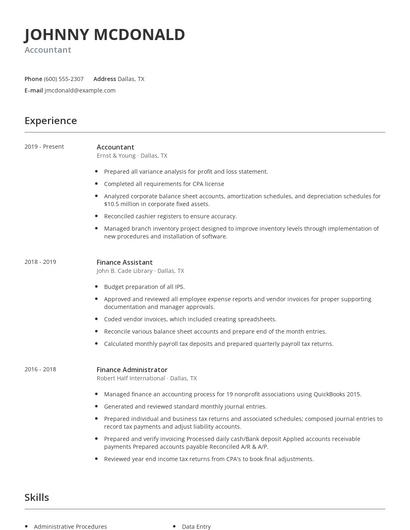
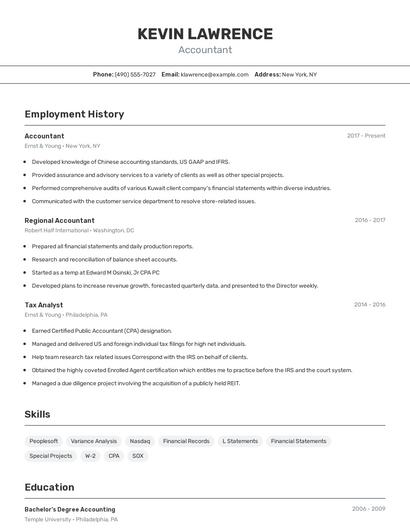
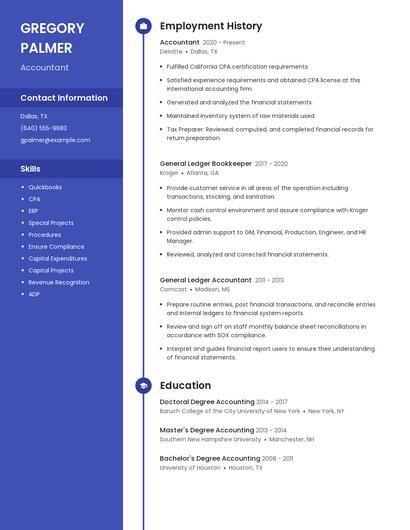
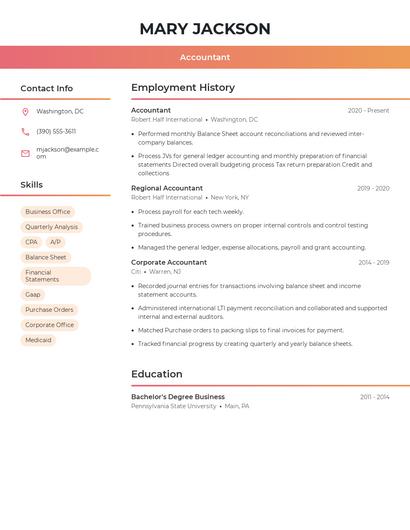
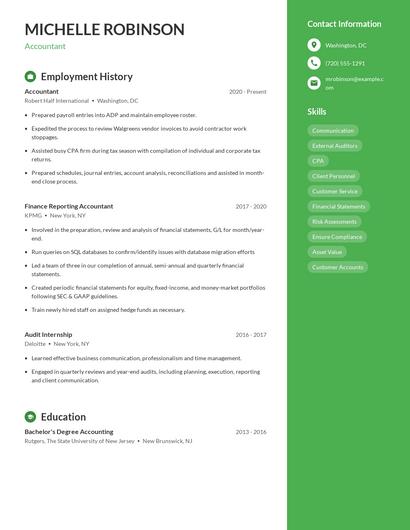
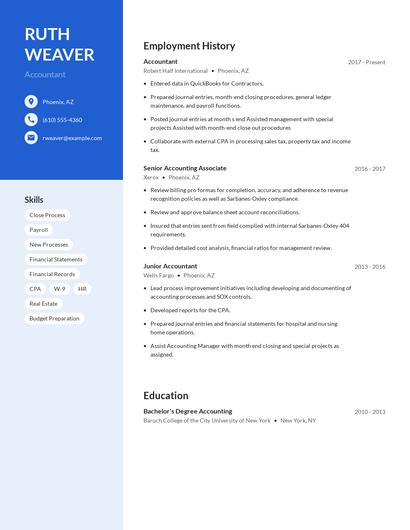
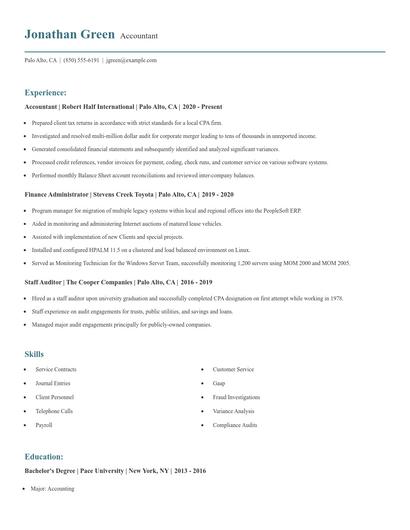
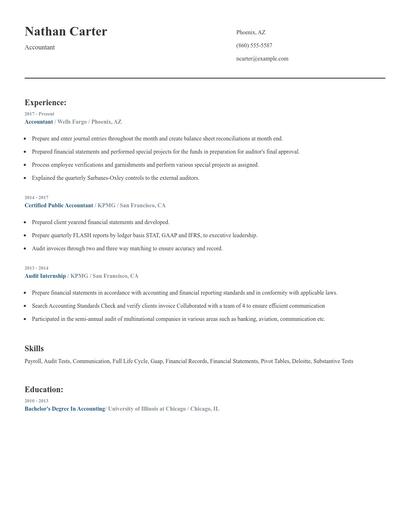
Choose from 10+ customizable resume templates
Zippia allows you to choose from different easy-to-use templates, and provides you with expert advice. Using the templates, you can rest assured that the structure and format of your resume is top notch. Choose a template with the colors, fonts & text sizes that are appropriate for your industry.