Explore jobs
Find specific jobs
Explore careers
Explore professions
Best companies
Explore companies
This question is about fire fighter certifications.
What are the qualifications for firefighters?
The qualifications for firefighters include being at least 18 years of age and having a high school diploma. While not required, some firefighters possess a bachelor's degree in fire science or fire technology. Becoming a firefighter is no easy task; it requires hard work, dedication, and hours of training.
The most useful degree for a firefighter is fire science. There are both associate's and bachelor's degree programs available. In general, the associate's degree program is tailored to those who have a limited amount of time to commit to studying and finishing a degree on a full-time basis.
The associate's degree programs are typically sixty credits and cover subjects like:
Protection and suppression systems
Fire behavior and combustion
Firefighting strategies and tactical procedures
Hydraulic and water principles
Fire safety basics
As with most fields, the bachelor's program may provide you with more opportunities for advancement. These programs also typically allow you to pick a certain area of focus, such as fire prevention, fire services leadership, and fire suppression. Some additional topics that are covered can include:
Fire codes and laws
Chemistry of fire science
Physics of fires
Disaster planning
Fire control and investigation
In addition to the fire science path, there are associate's and bachelor's programs in Emergency Medical Services. In most districts, firefighters must also be certified as Emergency Medical Technicians. EMS program-related areas of study can include:
Emergency medical care concepts
Emergency medical care labs
EMT field internships
Paramedic theory
Paramedic labs and clinicals
With a bachelor's program, students will learn these applied skills as well as things like direct patient care, current advancements in emergency medicine, and critical thinking skills. You will also learn the tools and techniques of emergency medical services and how to apply them in critical settings.
While these are the most common areas of study, additional degree programs may also be useful, including fire technology, fire administration, and paramedic programs.
Becoming a firefighter also involves passing a physical abilities test. This involves:
Stair climbing
Hose dragging
Equipment carries
Ladder raise and extension
Forcible entry
Search
Rescue
Ceiling breach and pull
And a written test. The written test varies in content based on jurisdictions but typically measures:
Basic math skills (e.g., addition, subtraction, multiplication)
Reading comprehension
Reasoning
Judgment
Verbal expression (e.g., spelling, punctuation, grammar)
Memory and observation
Spatial orientation
Mechanical aptitude
In most cases, aspiring firefighters will be required to attend a firefighting academy. This course typically takes several weeks to complete and includes learning about:
For those younger than eighteen, you may be able to gain experience through a junior firefighter program.

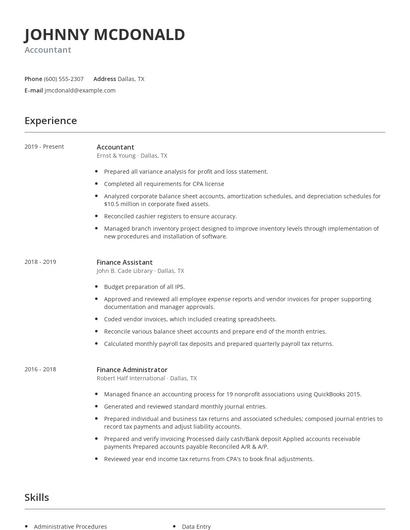
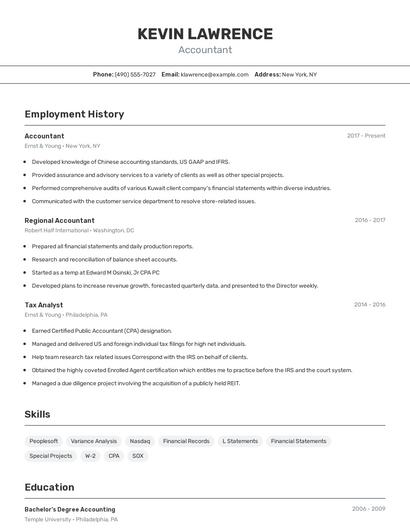
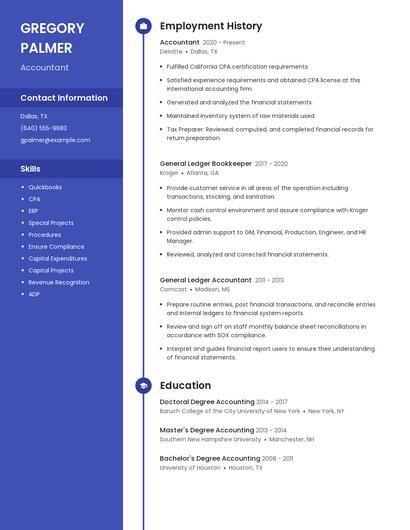
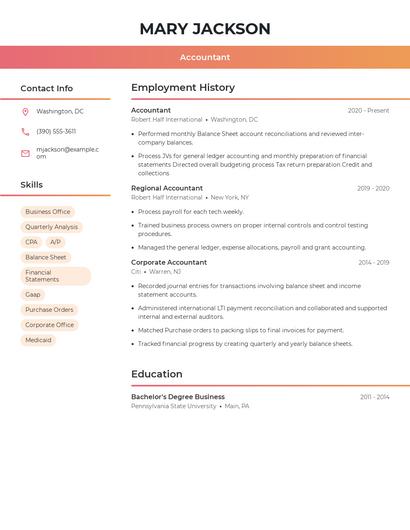
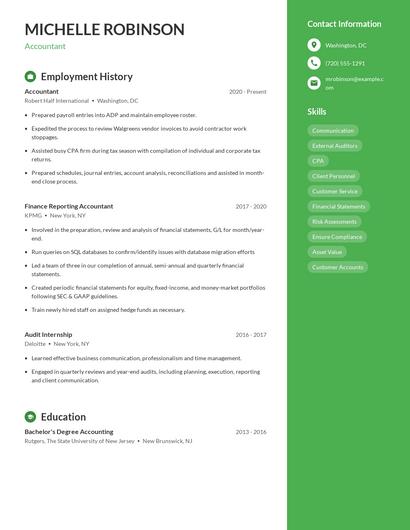
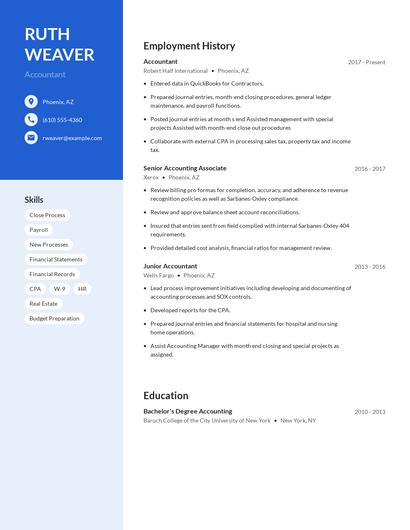
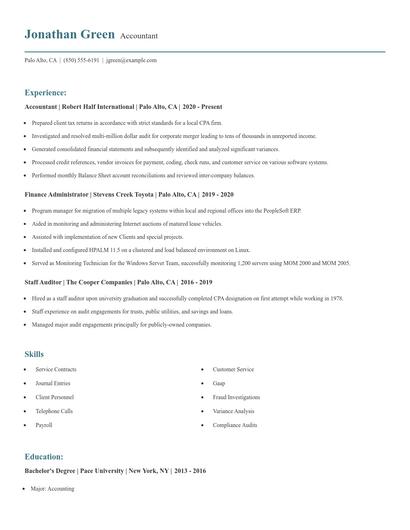
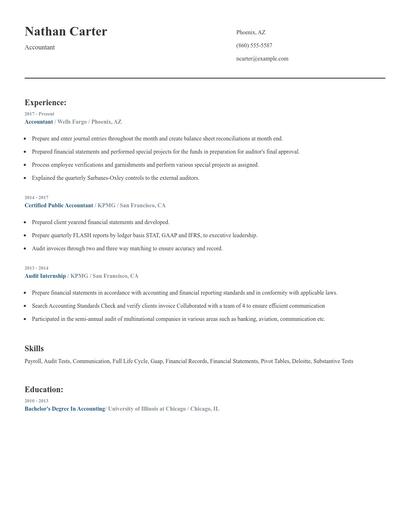
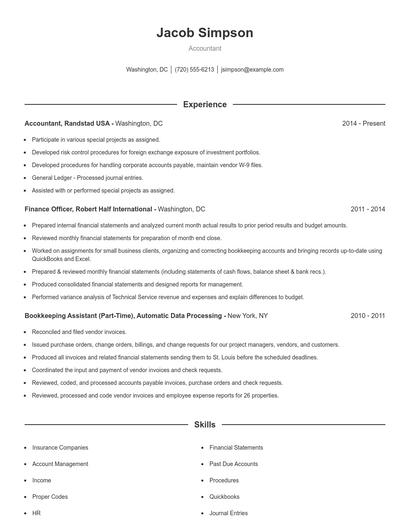
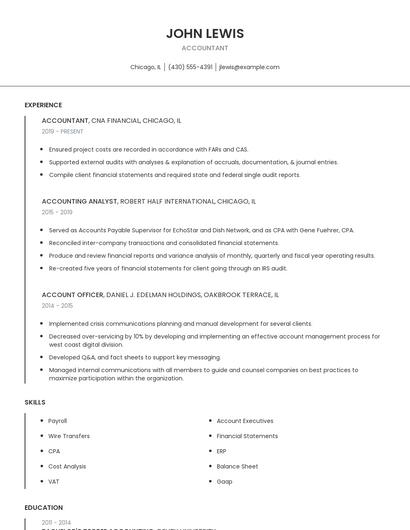
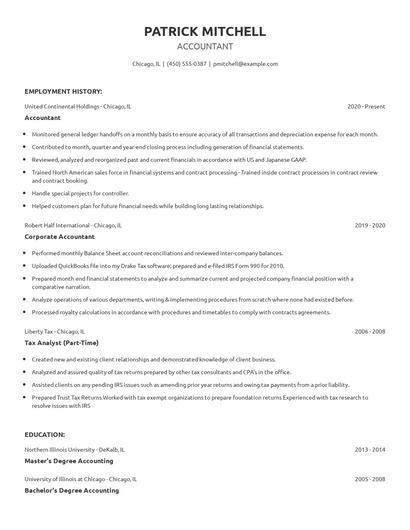
Choose from 10+ customizable resume templates
Zippia allows you to choose from different easy-to-use templates, and provides you with expert advice. Using the templates, you can rest assured that the structure and format of your resume is top notch. Choose a template with the colors, fonts & text sizes that are appropriate for your industry.