Explore jobs
Find specific jobs
Explore careers
Explore professions
Best companies
Explore companies
This question is about behavioral therapist education.
What degree do you need to be a behavioral therapist?
You need a bachelor's degree in psychology, counseling, or social services to be a behavioral therapist. Master's degrees in social work or counseling (and in some instances doctoral degrees), however, are required for positions that provide more services with less supervision.
They help prepare students for supervisory roles in behavioral science. Typical programs offer courses that help students to understand the theoretical and practical aspects of behavioral psychology.
While in school, prospective behavioral therapists should take courses that are focused on behaviorism, treatment interventions, mental health conditions, and research methods and design.
After graduation, you must earn a state license in order to practice as a behavioral therapist. Most states require that behavioral therapists hold licensure as a clinical social worker (abbreviated as LCSW, LICSW, or LISW) or in their area of specialty (such as licensed professional counselors (LPC) or Psychology license).
The specific requirements for clinical licensure vary by state, but for social workers this generally requires at least two years post-MSW experience, passing the ASWB clinical examination, and a specified number of hours of supervision by a licensed social worker.
The Behavior Analyst Certification Board exam typically covers:
Measurement in behavioral science
Experimental design
Fundamental elements of Behavior change
Specific behavior change procedures
Behavior change systems
Identification of problems
Assessment
Intervention
Implementation, management, and supervision
Client-centered responsibilities
The next step is to become a Board Certified Behavior Analyst (BCBA), which requires the following:
Earning a master's degree in behavior analysis (or in education or psychology with an emphasis in ABA) that includes the BCBA Verified Course Sequence
Meet the supervised experience hour requirement with an intensive practicum of 750 hours, OR standard practicum of 1000 hours, OR 1,500 hours of independent fieldwork
Pass the BCBA certification exam and become certified (required for licensure in some states)
In some cases, applying for state ABA licensure is also necessary to provide ABA services. In many states, BCBA certification is either required for licensure (currently required in 30 states) or is otherwise one route to meeting the requirements for licensure.
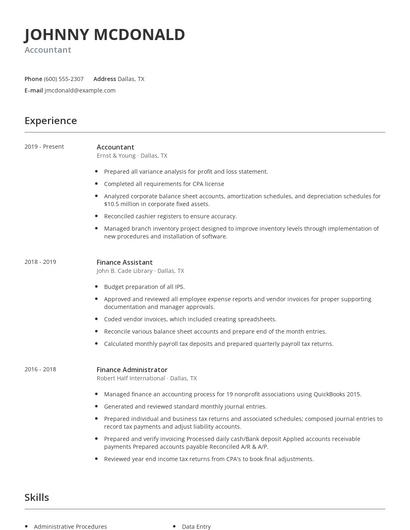
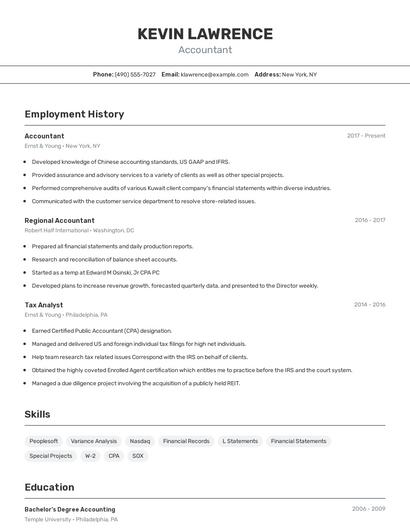
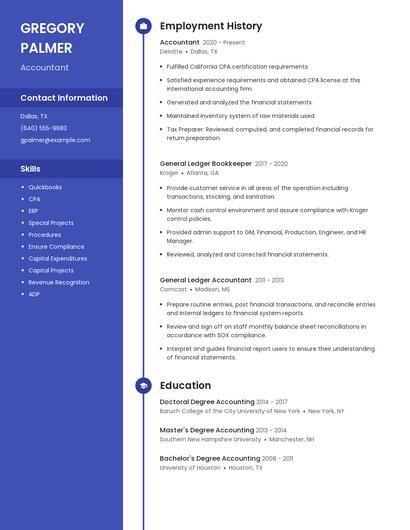
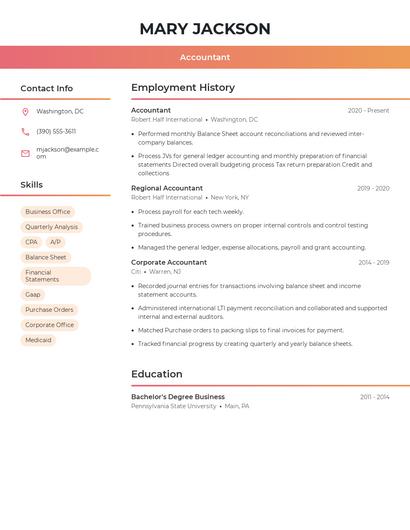
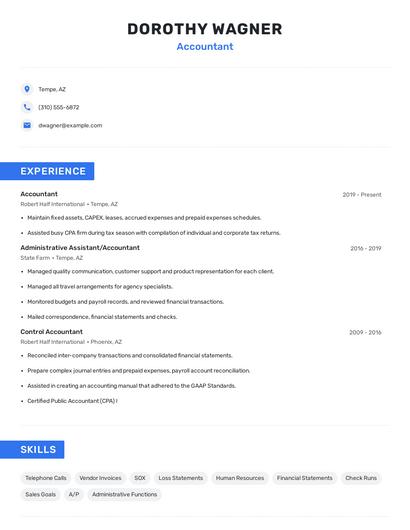
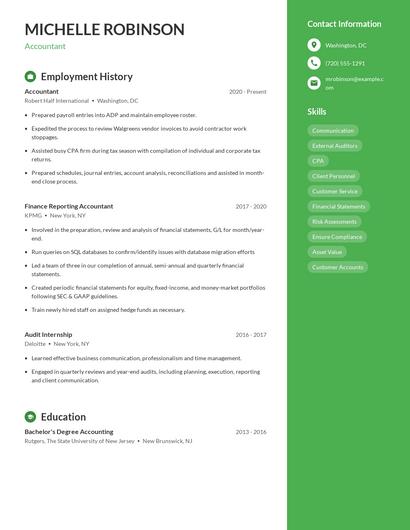
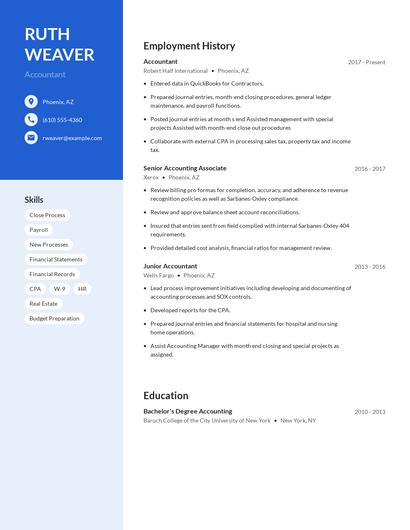
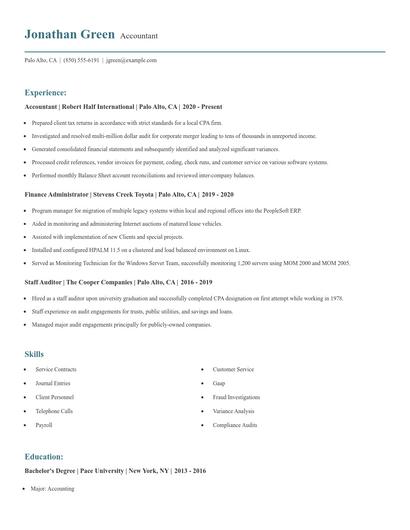
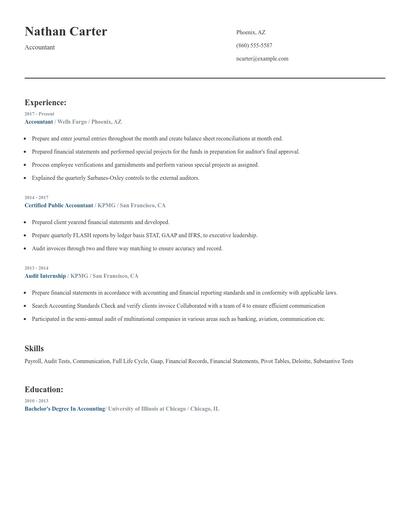
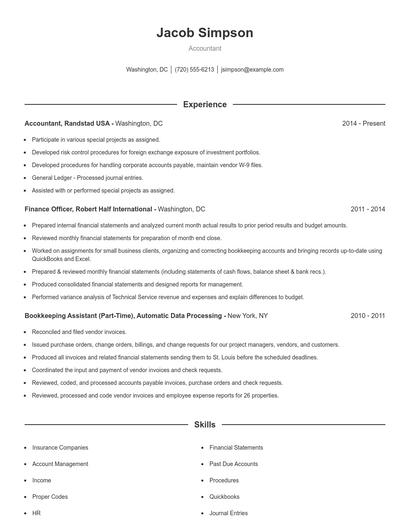
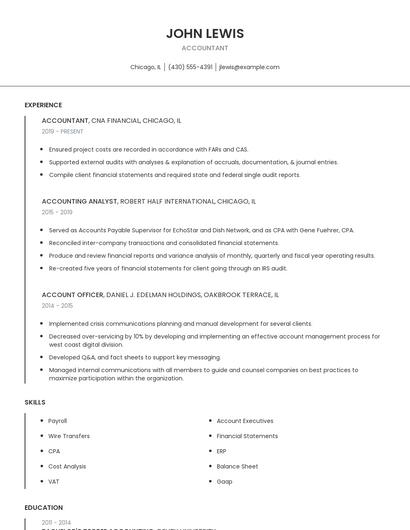
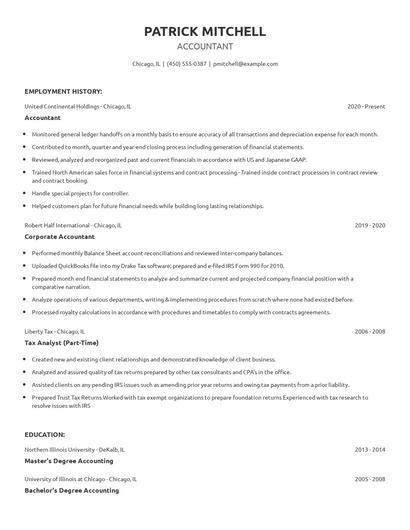
Choose from 10+ customizable resume templates
Zippia allows you to choose from different easy-to-use templates, and provides you with expert advice. Using the templates, you can rest assured that the structure and format of your resume is top notch. Choose a template with the colors, fonts & text sizes that are appropriate for your industry.