Explore jobs
Find specific jobs
Explore careers
Explore professions
Best companies
Explore companies
This question is about commercial pilot education.
What degree do you need to be a commercial pilot?
You do not need a degree to become a commercial pilot. Most commercial pilots, however, have an associate's or bachelors bachelor's degree in transportation, engineering, or business. In addition to completing flight training with an independent Federal Aviation Association (FAA) certified flight instructor.
To fly as a commercial airline pilot, you will need 1500 hours of experience, which can be earned in as little as two years. ATP's accelerated commercial pilot training programs, for example, provide a structured timeline and shorten the time it takes to gain experience and meet qualifications. There a prospective pilot can receive the training, certifications, and flight time needed to start one's career as an airline pilot.
The Federal Aviation Administration (FAA) expects candidates for a commercial pilot license to have the following flight hours:
250 hours of flight with at least 100 hours in a powered aircraft and 50 hours in an airplane
100 hours as the pilot-in-command with at least 50 hours in an airplane
50 hours of cross-country flight with at least 10 hours in an airplane
20 hours of training, including instrument training, technology advanced aircraft (TAA) training, and test preparation
10 hours of solo flight, including night flights and cross-country flights
The FAA also requires pilots to present a logbook of flight hours endorsed by an authorized flight instructor. A logbook endorsement can prove that you have the skills necessary to operate your chosen aircraft safely. When you complete your training and are ready to take the official test, a certified flight instructor (CFI) can confirm your competence.
To earn your license, the FAA requires you to take and pass both a written and a practical exam. The Commercial Pilot Airplane (CAX) exam has 100 questions, and you have three hours to complete the test. A passing score is anything over 70%.
For the practical test, an evaluator observes your work to verify your skills. The test focuses on your aeronautical knowledge, flight skills, and approach to safety and risk management. To pursue your commercial pilot license, aim for a Temporary Airman Certificate, which you receive if the evaluator rates your performance as satisfactory.

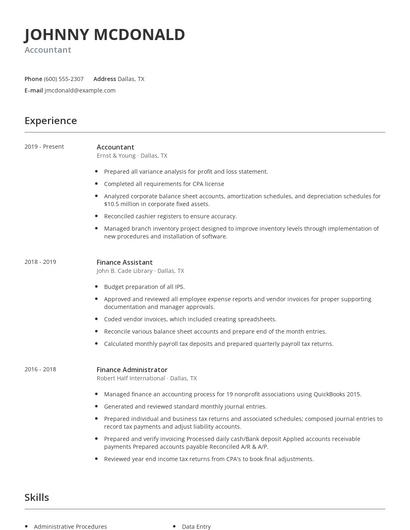
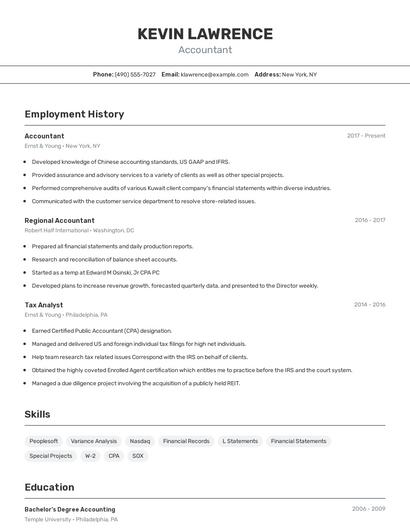
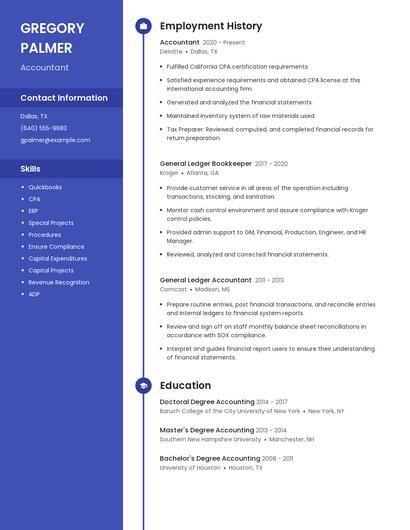
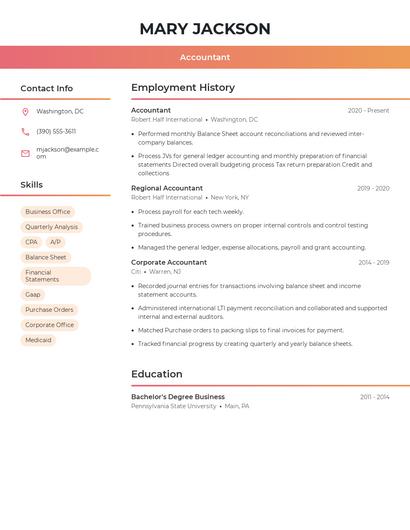
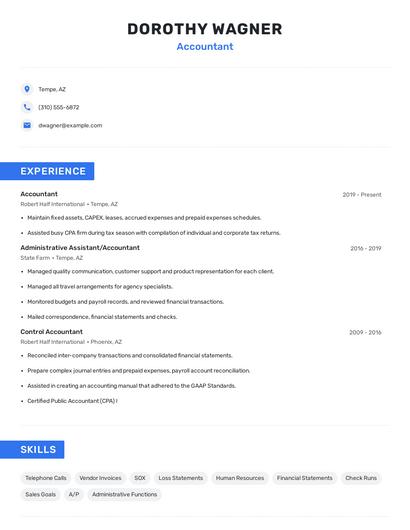
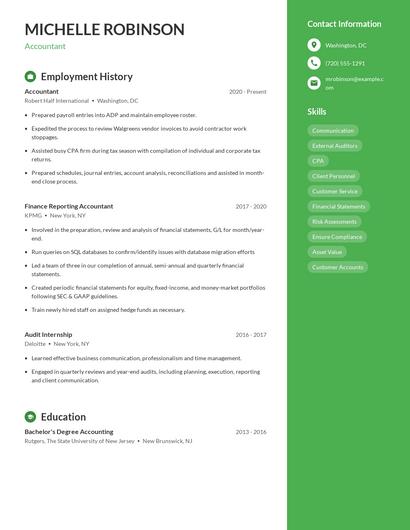
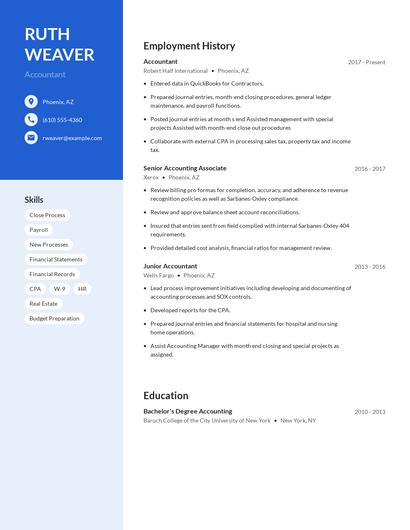
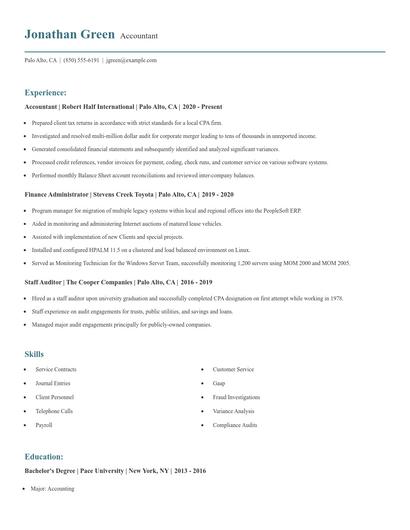
Choose from 10+ customizable resume templates
Zippia allows you to choose from different easy-to-use templates, and provides you with expert advice. Using the templates, you can rest assured that the structure and format of your resume is top notch. Choose a template with the colors, fonts & text sizes that are appropriate for your industry.