Explore jobs
Find specific jobs
Explore careers
Explore professions
Best companies
Explore companies
This question is about film editor education.
What degree do you need to be a film editor?
You need a bachelor's degree in a field related to film or broadcasting to be a film editor. Many colleges offer cinematography or video-editing software, and the coursework will involve a mix of film theory and practical training.
In addition to your education, you need to be familiar with how to analyze film. You should review the styles of other professionals and view well-made and critically acclaimed films that have won awards for their editing. Watching carefully, you can note how each film is edited.
This can help you see how to tell a story through your editing. It can also be a great way to learn about the types of editing directors and producers are looking for.
It is also important that you network. During school and even after graduation, you should be meeting others in your industry and working on building connections. When pursuing careers in film, connections can make all of the difference. Having connections introduce you to directors and producers can help to propel your career forward.
Try contacting previous students and teachers from your film program, or consider joining a film production or editing organization. If you attended a well-known program, there's a significant chance your instructors may have connections in the film industry. Contact them to learn about possible job opportunities and recommendations.
Before working as a professional, many editors choose to complete an internship or apprenticeship. This is a great way to get hands-on experience in the industry. Depending on the assignment, you may be able to edit films independently, or you may assist the staff video editor with their clips.
Internships are great to have on your resume, and it can help you create a portfolio that will showcase your video editing experience. This can also help you to learn more about the day-to-day responsibilities of a film editor and the regular routine that you can expect before you pursue it as a full-time career.
Once you have started gaining experience, you can use the techniques and skills you have learned to create a portfolio. Challenge yourself to learn new film-editing techniques and then use those skills on your next film-editing project. Build a website that features your edited videos.
When you apply for positions, hiring managers will request your previous work to ensure you have the desired skill set for the job. The videos on your website should be easy to locate and be categorized by genre, length, or project type. A brief description of the project should accompany each video.
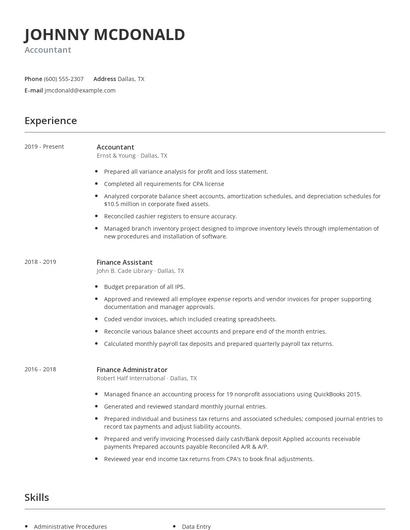
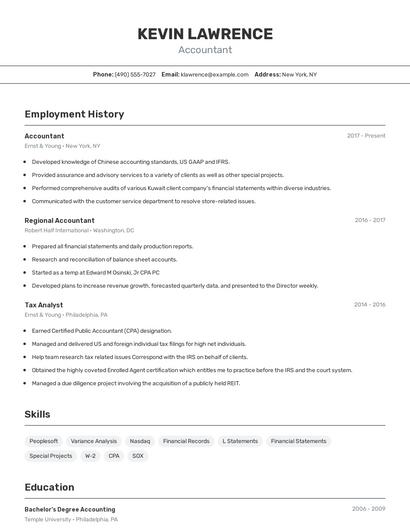
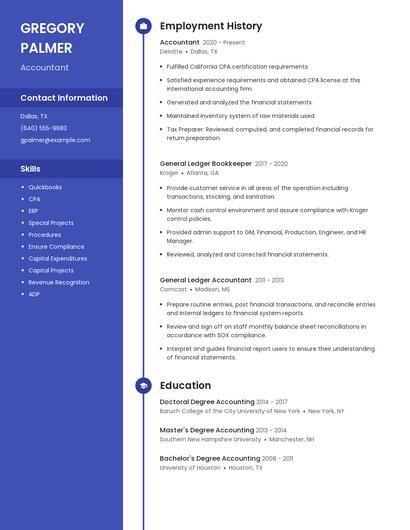
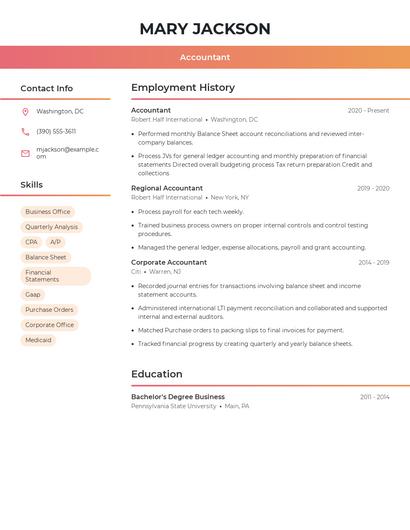
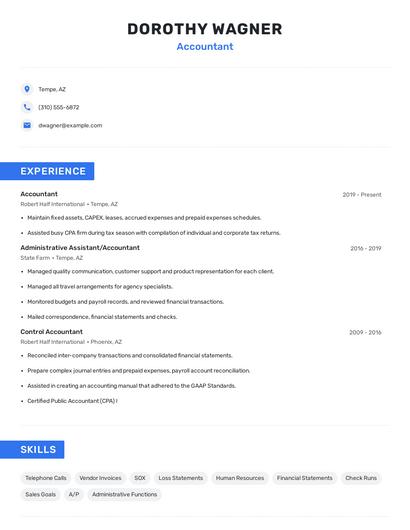
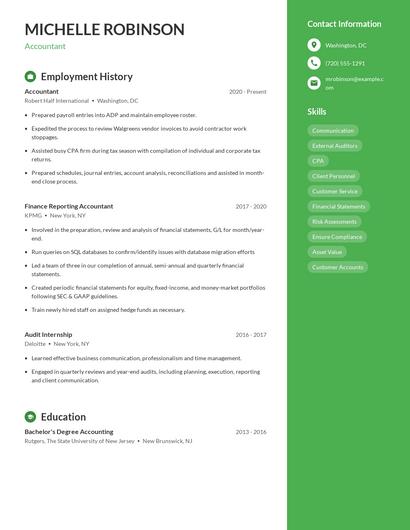
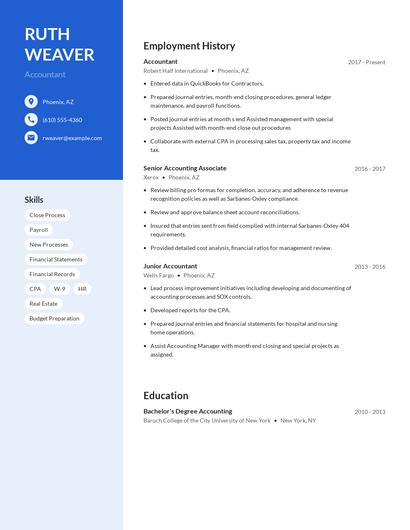
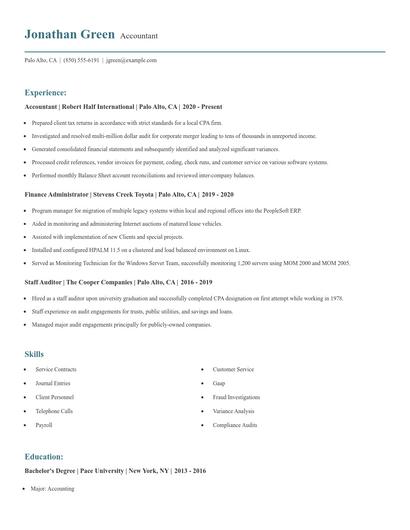
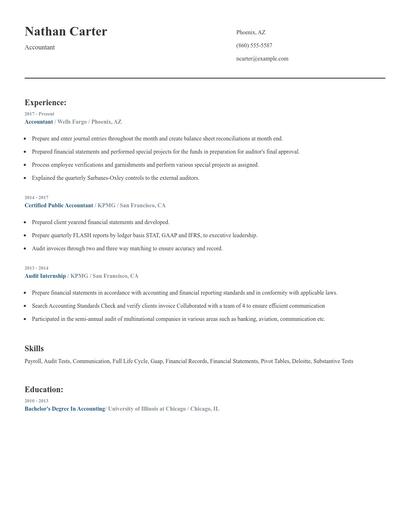
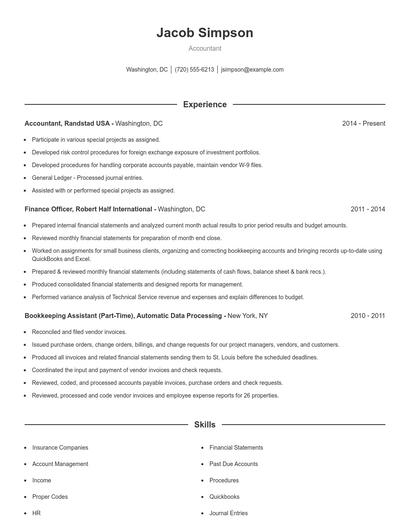
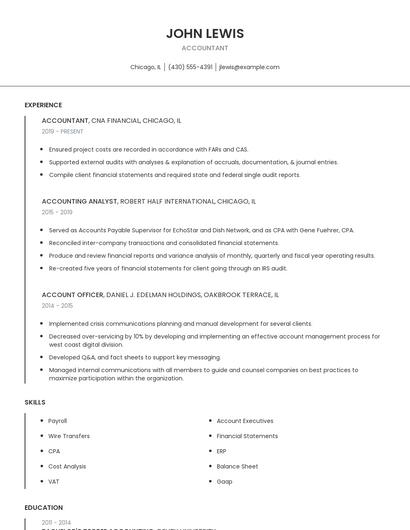
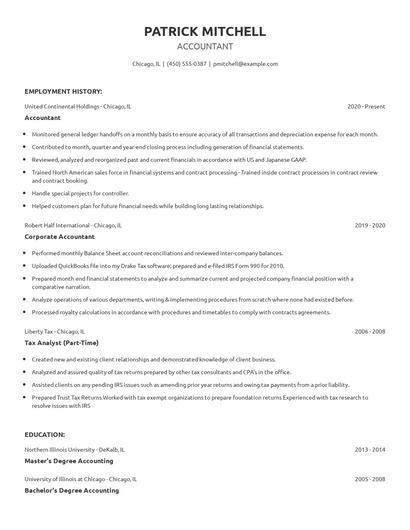
Choose from 10+ customizable resume templates
Zippia allows you to choose from different easy-to-use templates, and provides you with expert advice. Using the templates, you can rest assured that the structure and format of your resume is top notch. Choose a template with the colors, fonts & text sizes that are appropriate for your industry.