Explore jobs
Find specific jobs
Explore careers
Explore professions
Best companies
Explore companies
This question is about private investigator education.
What degree do you need to be a private investigator?
No degree is required for you to become a private investigator. Coursework and degrees related to law and criminology are helpful to those seeking a job as a private investigator but are not required.
While a high school diploma or equivalent is the minimum requirement for private investigators throughout the country, each state institutes its own standards for licensure.
All but five states require private investigators to hold a valid license. The states not requiring a license are Alaska, Idaho, Mississippi, Wyoming, and South Dakota.
The process of obtaining a private investigator's license varies from state to state. Licensure in some states does not require the accumulation of work experience hours, while other states do. There are ten states that require no experience from those seeking a license.
Other states, such as Nevada, require 10,000 hours or six years of investigative, military, or police-related experience to qualify for licensure. The majority of states require an average of two years of related investigative experience.
In lieu of experience, many states accept a relevant associate's or bachelor's degree. Some degree programs offer internships that may count toward the fulfillment of state-required hours of experience.

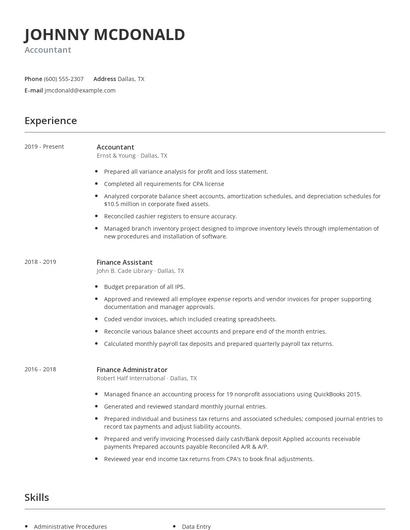
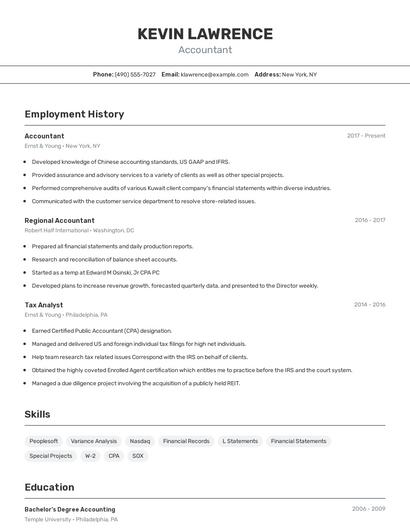
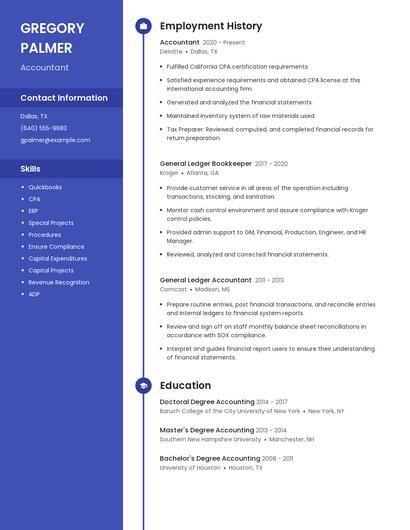
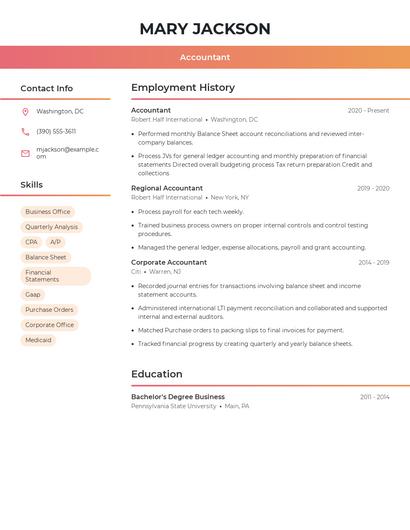
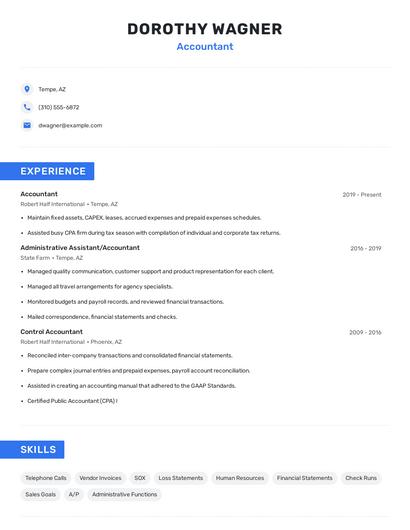
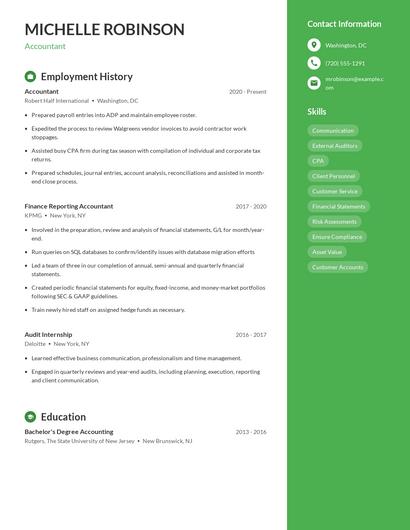
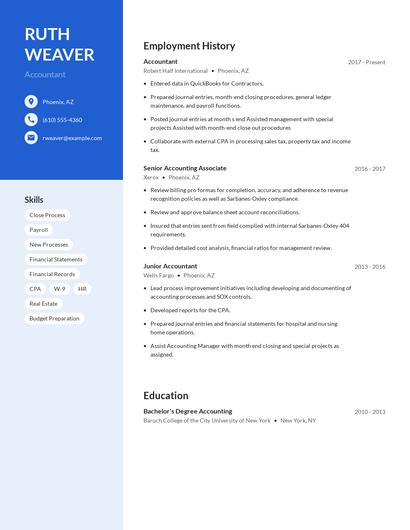
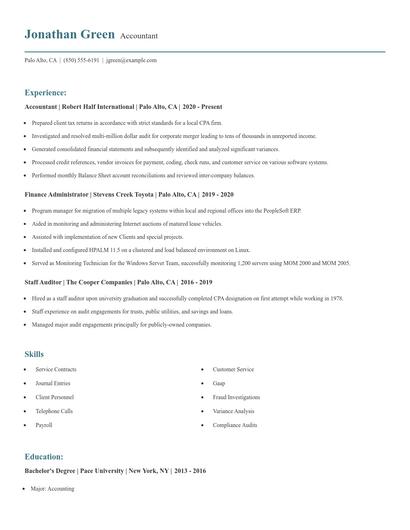
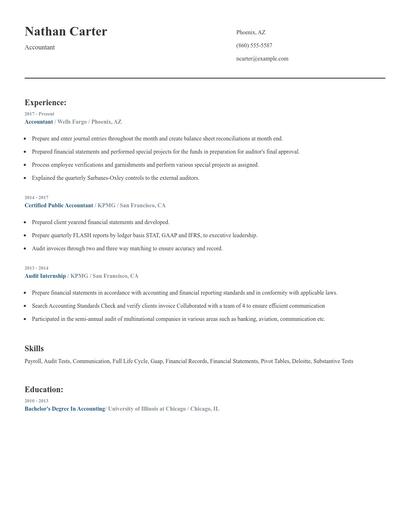
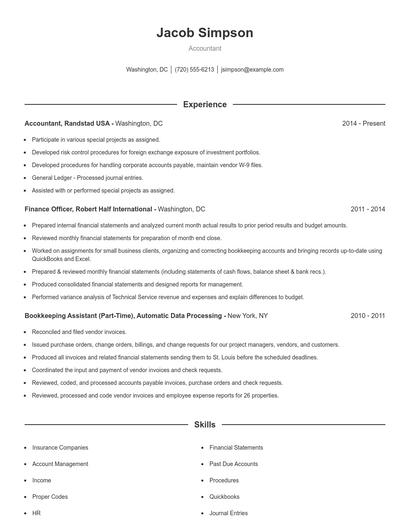
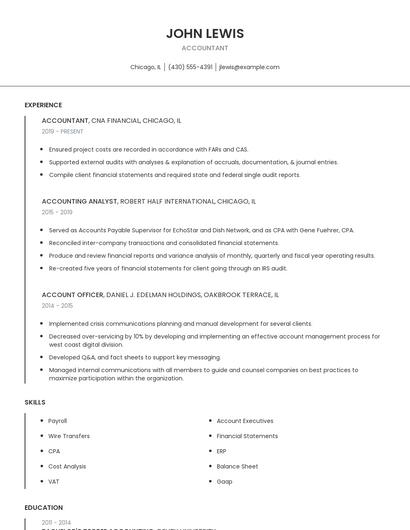
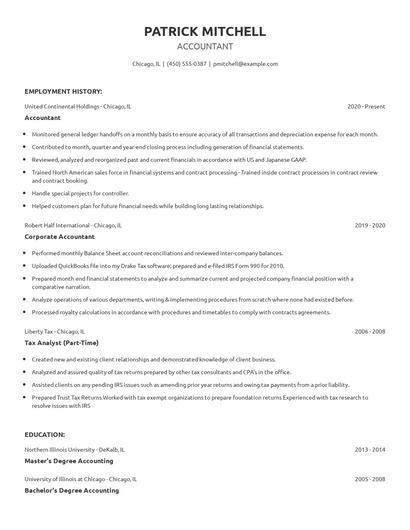
Choose from 10+ customizable resume templates
Zippia allows you to choose from different easy-to-use templates, and provides you with expert advice. Using the templates, you can rest assured that the structure and format of your resume is top notch. Choose a template with the colors, fonts & text sizes that are appropriate for your industry.