Explore jobs
Find specific jobs
Explore careers
Explore professions
Best companies
Explore companies
This question is about what a respiratory therapist does.
What degree do you need to be a respiratory therapist?
You need either an associate's or bachelor's degree from an accredited respiratory therapy education program in order to become a respiratory therapist.
Most states require a license to work in the field, and each state has its own requirements. To qualify for licensure, one must hold a minimum of an associate degree from an accredited college in respiratory therapy.
At a minimum, prospective respiratory therapists need an associate degree in respiratory therapy. Many students, however, go on to earn a bachelor's degree in respiratory therapy or pulmonary science. Students learn important practical techniques, including cardiac life support, cardiovascular management, and nasal oxygen supplementation.
The benefits of a four-year respiratory therapy program are the clinical experience opportunities provided to students. It also provides hands-on experience in practical training needed to better help a candidate understand the ethical and legal responsibilities involved in respiratory care and treatment.
After you've completed your education program, you must earn your Registered Respiratory Therapist (RRT) credential through the National Board for Respiratory Care (NBRC).
To earn your RRT credential, you have to pass the Therapist Multiple-Choice (TMC) Examination and Clinical Simulation Examination (CSE). You must pass the TMC examination before you can take the CSE.
The TMC Examination has two cut scores. The low cut score warrants a Certified Respiratory Therapist (CRT) certification through the NBRC. The high cut score enables you to take the CSE. Once you've successfully passed the TMC examination and CSE, you'll earn your RRT credential.

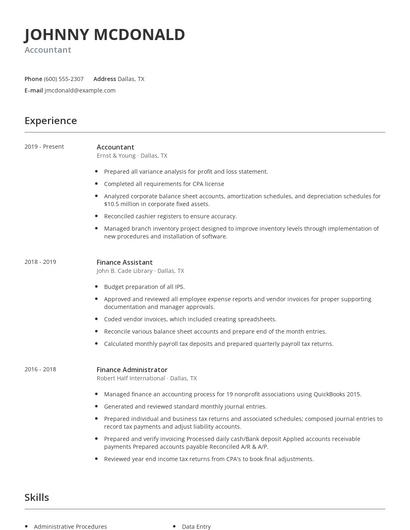
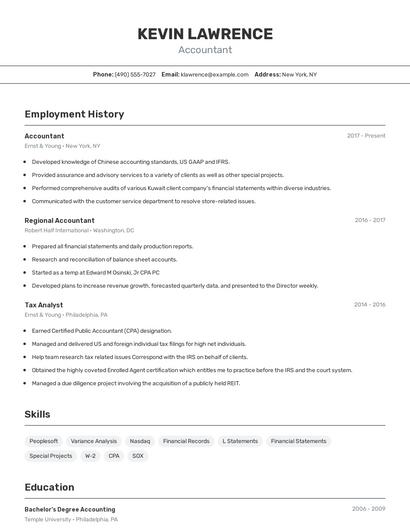
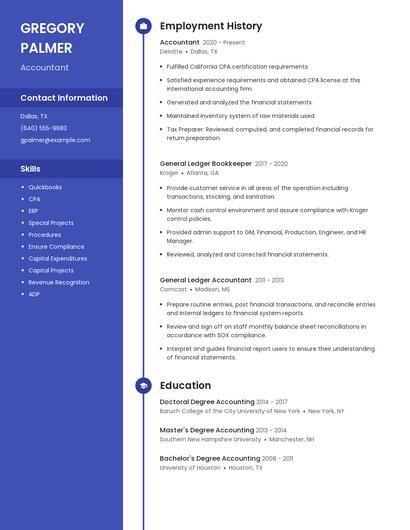
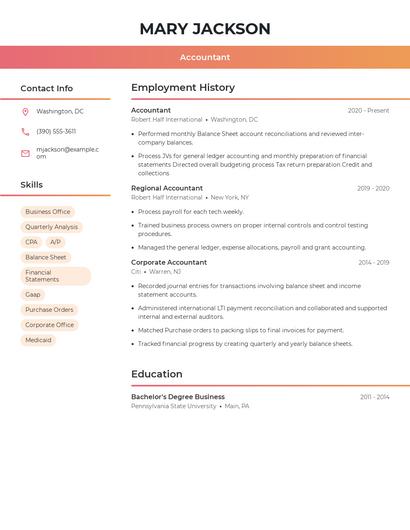
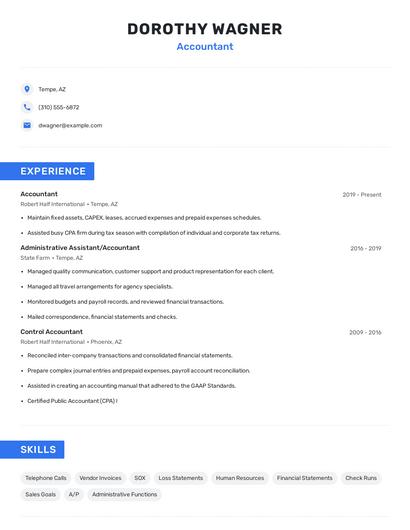
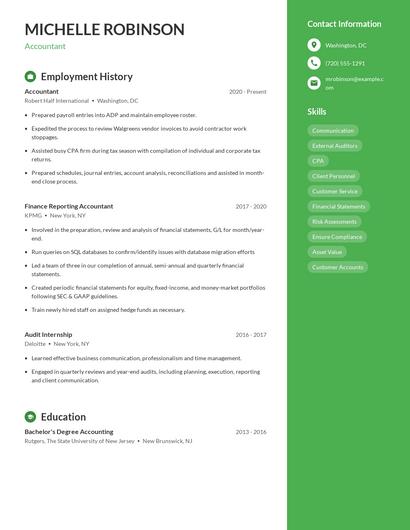
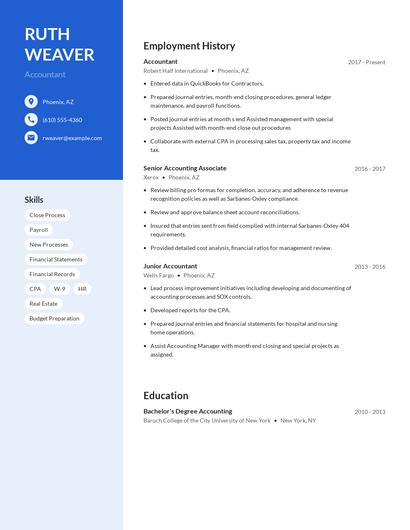
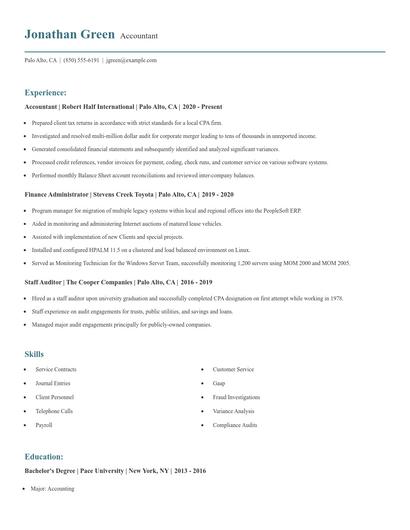
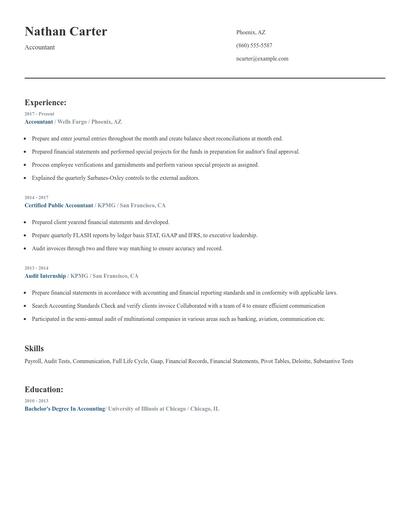
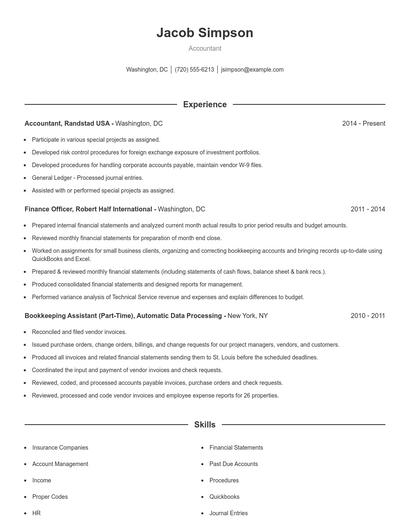
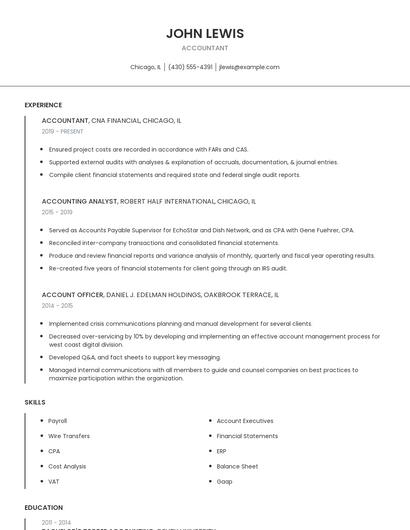
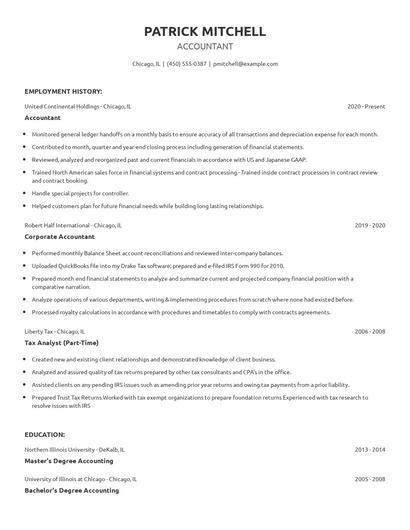
Choose from 10+ customizable resume templates
Zippia allows you to choose from different easy-to-use templates, and provides you with expert advice. Using the templates, you can rest assured that the structure and format of your resume is top notch. Choose a template with the colors, fonts & text sizes that are appropriate for your industry.