Explore jobs
Find specific jobs
Explore careers
Explore professions
Best companies
Explore companies
This question is about what a hydrologist does.
What do hydrologists do on a daily basis?
On a daily basis, hydrologists study the movement, distribution, and quality of water in the Earth's crust. Hydrologists perform tasks such as collecting water samples, analyzing data, and using scientific equipment to measure the properties of water.
Hydrologists often engage in fieldwork where they may take samples from rivers, lakes, and groundwater sources. They then use these samples to test for properties like pH levels, temperature, flow rate, and pollutant concentrations. This allows them to grow their understanding of how water interacts with the environment and how it can be affected by human activities.
They use sophisticated equipment and technologies such as remote sensing systems, data loggers, and GPS devices to collect and analyze data.
They create and use computer models to predict future water availability, usage, and quality. These models can help plan for water-related events such as droughts or floods.
Hydrologists also write reports and present their findings to stakeholders such as government officials, environmental organizations, or private businesses. Their work is vital for managing our water resources effectively.
In addition to these technical tasks, hydrologists also spend time communicating their findings. They may write research papers, give presentations at conferences, or advise policymakers on water resource management strategies. Regardless of the specific tasks they perform on a daily basis, hydrologists play a crucial role in ensuring the sustainability of our water resources.

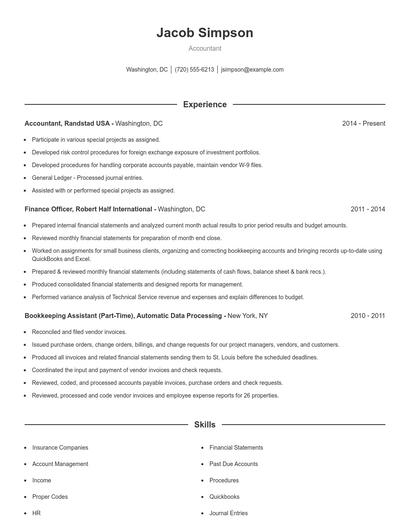
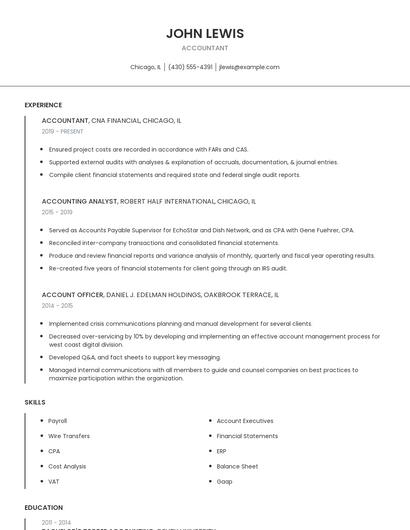
Choose from 10+ customizable resume templates
Zippia allows you to choose from different easy-to-use templates, and provides you with expert advice. Using the templates, you can rest assured that the structure and format of your resume is top notch. Choose a template with the colors, fonts & text sizes that are appropriate for your industry.