Explore jobs
Find specific jobs
Explore careers
Explore professions
Best companies
Explore companies
This question is about what a herpetologist does.
What does a herpetologist study?
A herpetologist studies amphibians and reptiles. Similar to most other fields in vertebrate biology, herpetology contains a number of cross-disciplines, such as animal behavior, ecology, animal physiology, evolution, anatomy, paleontology, and taxonomy, as well as other disciplines.
Herpetologists also study the classifications of amphibians and reptiles. Many specialize in a specific area of herpetology, such as ecology, taxonomy, or physiology. They may also have a sharp focus on a specific sub-group of amphibians or reptiles, like frogs or snakes.
Herpetologists work in conservation, research, or education generally.
Herpetologists who choose to pursue a career in research typically work for government agencies, universities, or private research institutions and associations. These careers see herpetologists conducting fieldwork or lab research.
Herpetologists utilize scientific experiments, data collection, and data analysis to develop reports that deal with nature conservation and biology.
Certain herpetologists that work in education are professors and often have Ph.D.s in the field. At colleges and universities, they teach undergraduate and graduate students about the study of herpetology. They might also contribute to scientific journals or public research findings in books.
Herpetologists working in zoos or aquariums are often tasked with caring for and feeding the animals in their fields. They also offer general amphibian and reptile education to public attendees of these places. In addition, some herpetologists work in museum environments where they create exhibits related to amphibians and reptiles.
When working in the area of conservation, a herpetologist may work for a government agency or private institution, or association. Here they conduct work out in the field to learn and ultimately prevent threats to the reptile and amphibian populations in specific locations.
This might entail creating population inventories of different amphibians and reptiles, employing disease control measures, habitat rehabilitation, reintroducing endangered animals into the wild, and making scientifically formed suggestions for regulators.

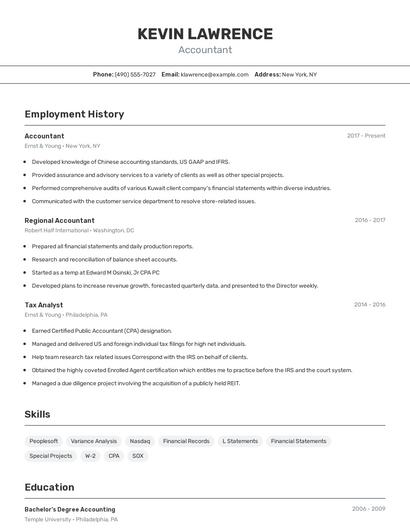
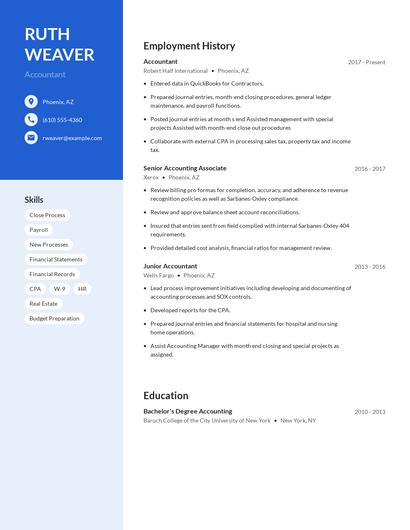
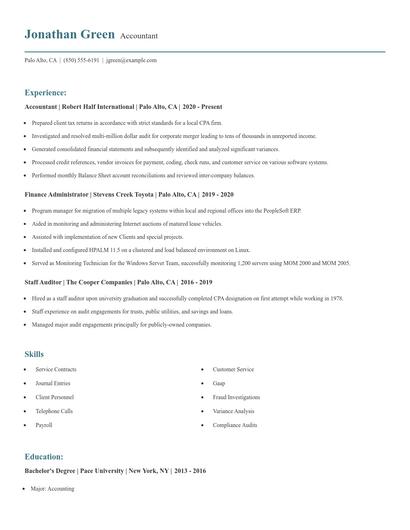
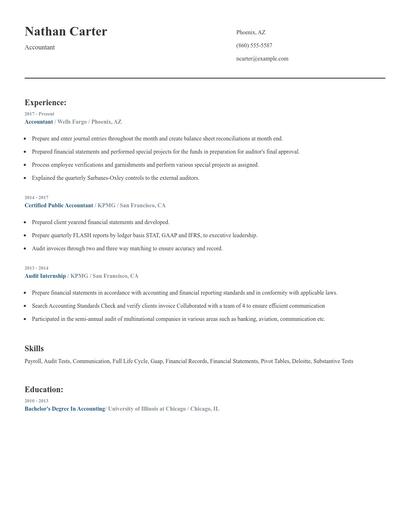
Choose from 10+ customizable resume templates
Zippia allows you to choose from different easy-to-use templates, and provides you with expert advice. Using the templates, you can rest assured that the structure and format of your resume is top notch. Choose a template with the colors, fonts & text sizes that are appropriate for your industry.