Explore jobs
Find specific jobs
Explore careers
Explore professions
Best companies
Explore companies
This question is about anesthesiologist.
What does a typical day look like for an anesthesiologist?
A typical day for an anesthesiologist looks like meeting with patients, consulting with other doctors, doing research, and administering anesthesia. Anesthesiologist's job typically involves working on many different types of patient's cases.
Over the course of the same day, they may find themselves in preoperative rooms, operating rooms, recovery rooms, emergency departments, intensive care units, labor and delivery wards, or diagnostic testing suites.
Anesthesiologists often work over 40 hours per week, and often up to 60 hours per week. Although routine surgeries are likely to be scheduled during more regular business hours, trauma surgeries, emergency procedures and labor can't be planned in advance for a convenient time. You may also work for as long as 24 hours if you are on-call.
An anesthesiologist must take the time to prepare for his or her cases the day before surgery. This includes a thorough review of each patient's medical history.
Devising a thoughtful anesthesia plan requires the anesthesiologist to consider all patient factors in conjunction with the surgeon's preferences. This often is enhanced by calling the patient and/or surgeon on the phone the day before surgery.
Each morning, the physician anesthesiologist is often the first person to arrive in the operating room. Like a pilot preparing to fly, the anesthesiologist systematically checks the anesthesia equipment and ensures the availability of all supplies both for planned use and for emergency use.
This usually includes performing safety checks of the anesthesia machine, turning on the suction catheter to make sure it is readily available, laying out all monitors, selecting and double checking appropriate airway equipment to make sure it is functioning, setting up intravenous access kits and fluids, and draws up appropriate doses of medications.
Once the anesthesia equipment and supplies are ready, the anesthesiologist then meets the patient in the preoperative area to go over the medical history, performs a physical exam (focused on the airway and cardiopulmonary systems), and obtains informed consent.
This involves a discussion of the risks and benefits of anesthesia and allows for the patient to ask questions about what to expect, which often helps calm the nerves that affect a patient preoperatively.
After the preoperative work is done, the patient is transported to the operating room. After placing monitors on the patient, the anesthesiologist preoxygenates and induces anesthesia.
After the patient is asleep, the anesthesiologist intubates and starts mechanical ventilation. If a difficult airway is encountered, it may be necessary to use additional equipment such as a Glidescope or fiberoptic scope.
During the surgery, the anesthesiologist stays in the room to closely monitor the patient. Once the surgery is done, the patient is woken up and extubated before transport to the recovery room. Sometimes, depending on the clinical condition, the patient may remain intubated and go to the ICU.
The anesthesiologist's responsibilities do not end there. As the patient gradually wakes up from the effects of anesthesia, he or she must be closely monitored. The physician anesthesiologist can order and administer pain and anti-nausea medications. The physician anesthesiologist must also be available if there are airway or hemodynamic concerns during recovery.
Once the patient is awake with pain and nausea under control, he or she can go home or back to their hospital room. The next day, the patient is visited by the anesthesiologist to address any concerns or questions that the patient had regarding their anesthesia experience.

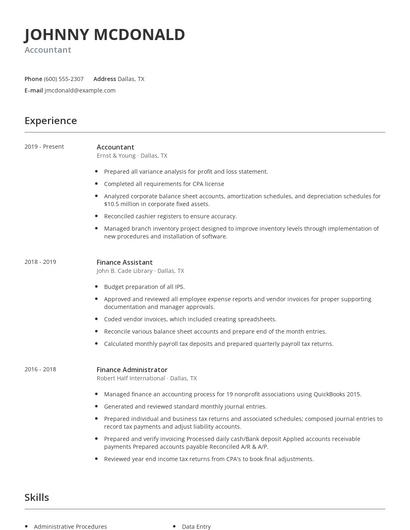
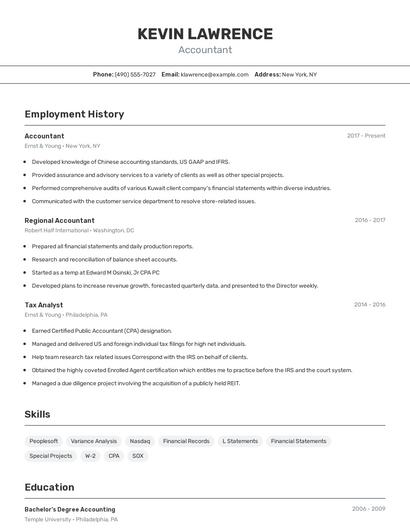
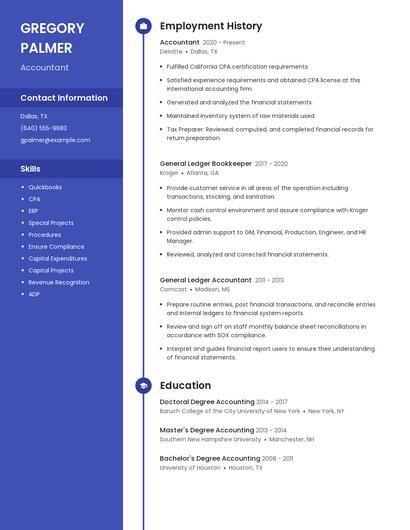
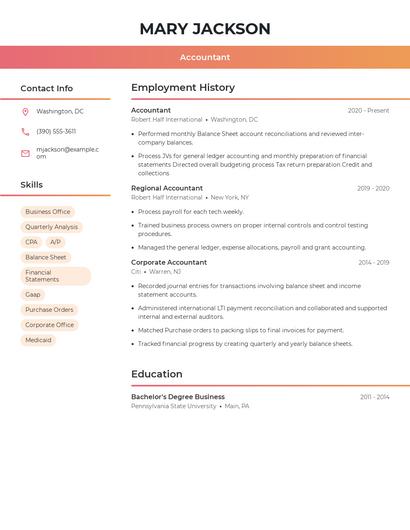
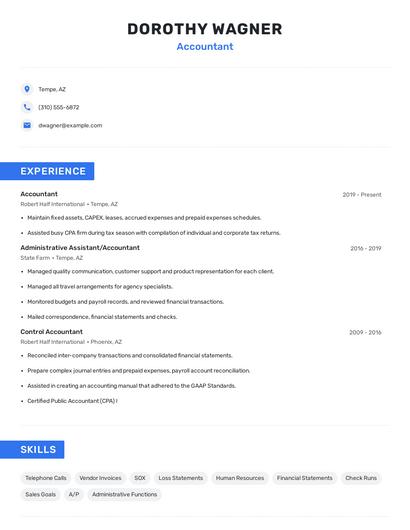
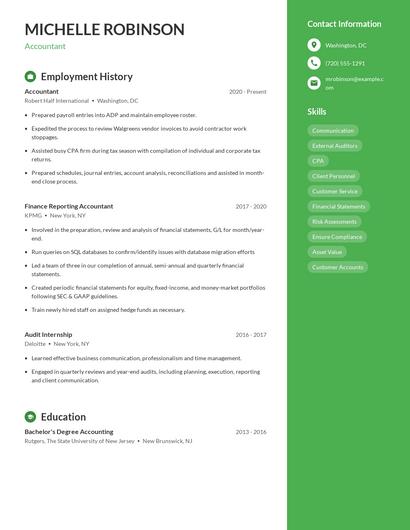
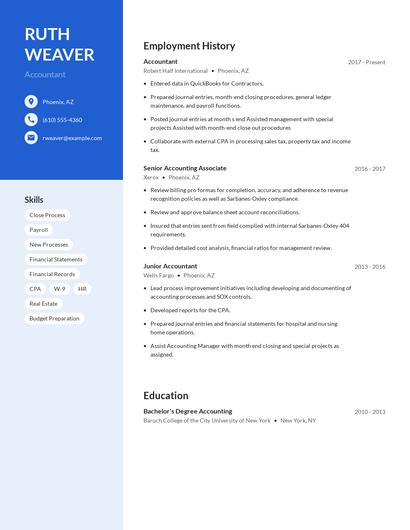
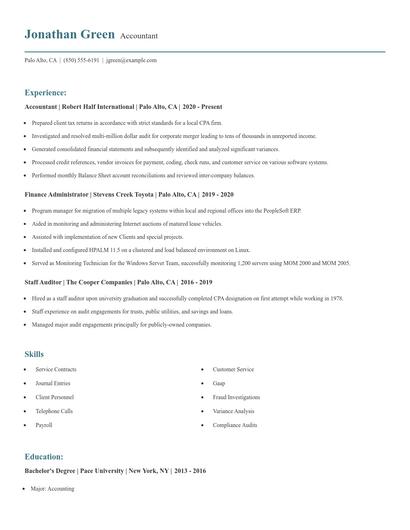
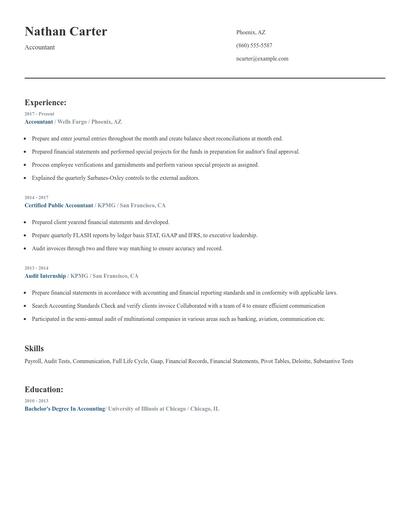
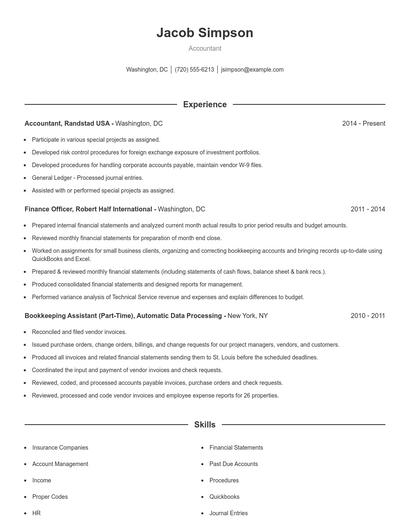
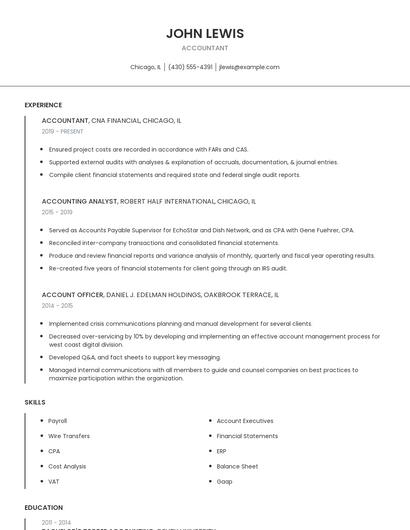
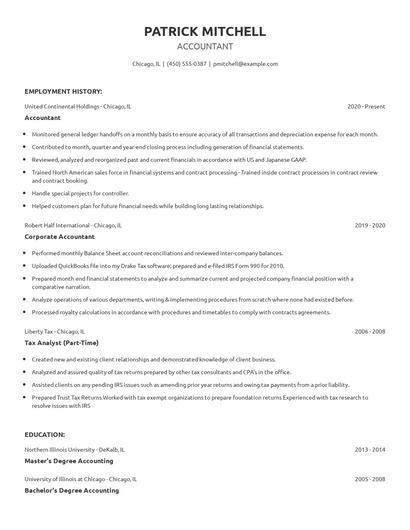
Choose from 10+ customizable resume templates
Zippia allows you to choose from different easy-to-use templates, and provides you with expert advice. Using the templates, you can rest assured that the structure and format of your resume is top notch. Choose a template with the colors, fonts & text sizes that are appropriate for your industry.