Explore jobs
Find specific jobs
Explore careers
Explore professions
Best companies
Explore companies
This question is about archaeologist.
What does an archaeologist do on a typical day?
An archaeologist does research, writing, planning, digging, organizing and analyzing findings on a typical day. While most people picture Indiana Jones as the template for what archaeology involves when in reality it is far less adventurous and involves spending significant amounts of time at the library or behind a computer screen.
The typical day of an archaeologist will vary significantly whether they are at a dig site or whether they are back home in the lab. The day-to-day life of an archaeologist prior to an excavation involves a lot of planning and getting through red tape.
A project plan must be created that includes the purpose of the dig, the procedure, funding, and safety considerations. You may also need to get permission to dig depending on the location. The project plan needs to also go over what happens after the dig.
Everything recovered and recorded during the excavation must be studied, archived and published to be of any use. The site sequence needs to be set out, the artifacts examined, soil samples processed and analyzed, and bones cataloged and studied. These need to be written up in reports by relevant experts and integrated with the overall excavation report for the site to be interpreted and understood and a final account published. This process might take years, and should be a very significant part of the overall project budget.
A typical day-to-day after recovering artifacts from the field includes carefully washing, sorting, cataloging, and storing recovered artifacts. They are then analyzed, individually, but still keeping in mind group patterns.
Other day-to-day tasks include:
Research, survey, or assess sites of past societies and cultures in search of answers to specific research questions.
Write, present, and publish reports that record site history, methodology, and artifact analysis results, along with recommendations for conserving and interpreting findings.
Describe artifacts' physical properties or attributes, such as the materials from which artifacts are made and their size, shape, function, and decoration.
Present findings from archeological research to peers and the general public.
Compare findings from one site with archeological data from other sites to find similarities or differences.
Record the exact locations and conditions of artifacts uncovered in diggings or surveys, using drawings and photographs as necessary.

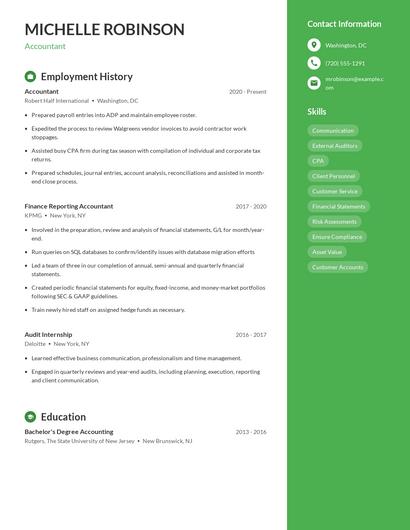
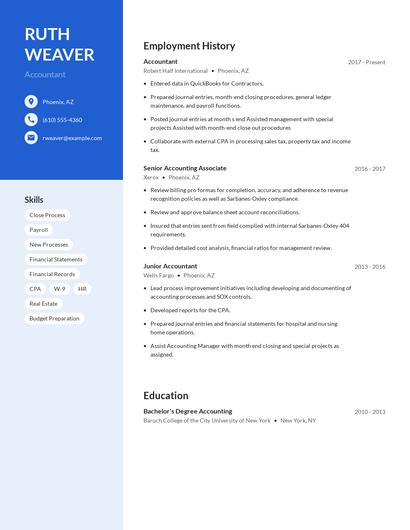
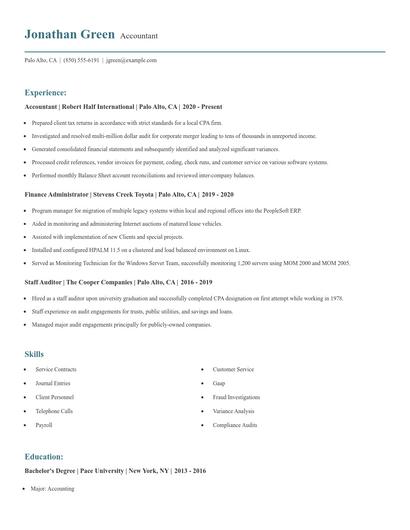
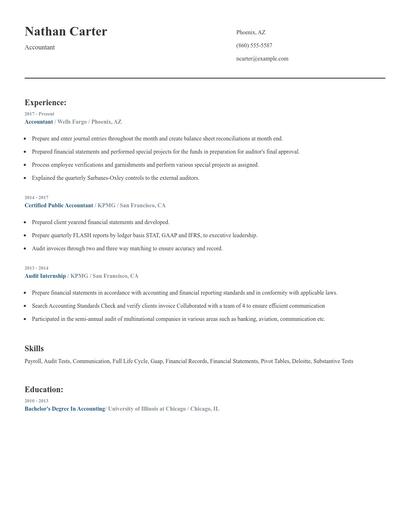
Choose from 10+ customizable resume templates
Zippia allows you to choose from different easy-to-use templates, and provides you with expert advice. Using the templates, you can rest assured that the structure and format of your resume is top notch. Choose a template with the colors, fonts & text sizes that are appropriate for your industry.