Explore jobs
Find specific jobs
Explore careers
Explore professions
Best companies
Explore companies
This question is about jobs.
What does it mean to be professional?
You exhibit knowledge, skills, and work ethic in a specific area and conduct yourself in a business setting in order to be a professional.
To behave professionally is a key skill in almost every kind of industry. Professional conduct means you are aware and considerate of your colleagues and work in a focused and formal manner.
Optimal professionalism can vary from industry to industry, but in general terms, it applies to all the areas just mentioned. No matter the industry you are working in, it is critical that you have a solid understanding of what your employer expects in terms of professionalism.
Professional behaviors and attitudes make you a person that is considered reliable and trustworthy in the workplace. This means conducting yourself in a way that is considerate to your colleagues, superiors, and subordinates and showing dedication to your field.
When you exhibit attitudes and behavior that are considered professional, you are more likely to get added job responsibilities and have more opportunities for career advancement.
Here are examples of professional qualities and skills:
Strong communicator. Speaking and writing with clarity are of extreme importance in the professional world. Avoiding misunderstanding and conflicts is a way to keep your professional environment running at an optimal level. Professionals always try to speak clearly, and directly and are not afraid to ask questions if necessary.
Be aware and respectful of others in your workplace. Being aware of the feelings of your coworkers, superiors, and subordinates is crucial to acting in a professional nature. You should treat everyone in your workplace with respect and dignity.
You should avoid raising your voice at others in the workplace and be conscious not to insult them in any way. Your actions should be focused, measured, and overall calm, even in stressful situations, if you want to remain professional.
The right dress code. This will vary from industry to industry, but in general, you should seek to appear professional in the clothes you wear to work. This might mean a suit and tie, or a pants-suit, or just business casual clothing.
Professionalism means showing respect for your job and organization by wearing the right clothes. This also applies to being well-groomed in certain industries.
Solid work ethic. Professionals always exhibit a strong work ethic. This does not mean you always must go above and beyond; however, it does mean you need to stay focused at work and remain dedicated to your tasks at hand.
If you leave work that is your responsibility for others to do, this is unprofessional and may hurt your professional reputation in your place of work.
Working well with others. To be a professional, you must have a good reputation for working well with others. You should seek to be a team player who collaborates and communicates well with other employees.
Your colleagues will see you as a professional if they know they can trust and depend on you. You should always look to fulfill any obligations you have committed to or meet any deadlines that are required to remain professional.
Honesty. Approaching work and those you work alongside with honesty is very important to being a professional. This means remaining open and honest, even in stressful or uncomfortable scenarios. The ability to confront people directly with honesty is a trait most professionals have.
Having flexibility. Unforeseen situations and problems often arise in all types of industries and work environments. Being professional means you must be adaptable to all sorts of situations. Having flexibility in difficult situations is a great way to show off your professionalism.
To be professional, you must adhere to your specific organization's standards regarding professionalism. General ways of being professional, like treating others with respect and accomplishing work obligations on time, can be considered universal.
However, different companies and different industries might have different concepts of professionalism. What is professional behavior in one industry or company might be unprofessional in another industry or company.
The best way to figure out ideal professionalism in your specific workplace is to reference well-respected colleagues. Take cues from experienced professionals, and this will help you to navigate any nuances regarding professionalism in your company or industry.
You should also seek to compile a professional wardrobe for your place of work. Here again, you can take note of what other, more experienced professionals at your company wear to work. Outfits that help you feel confident can foster professional behavior to a degree, and they can also help you gain the respect of colleagues and superiors.
Pay attention to how you behave at work. This is a crucial part of being professional. Like everything else regarding professionalism, there may be a variation in best practices for behavior at work, depending on your industry and company.
Look to experienced colleagues and superiors for guidance. Workplaces can have strict regiments or be more relaxed and free-flowing, but remaining professional in both of these environments is still essential.
Here are some universal tips for professional behavior at work:
You should always remain aware of coworkers' personal boundaries
Try to always remain calm, don't raise your voice, and compose yourself in stressful situations
Punctuality is key, always arrive to work at the designated time specified by your employer
Be diligent about checking your work for any mistakes before showing it to other team members or submitting it to superiors
Being professional also means always taking responsibility for your mistakes. It's key to always do the best you can when working, but it's just as essential to own up to mistakes you are bound to make. You should also try to remedy them by coming up with proper solutions and ways to move forward. This helps your coworkers and managers to respect and trust your work ethic.

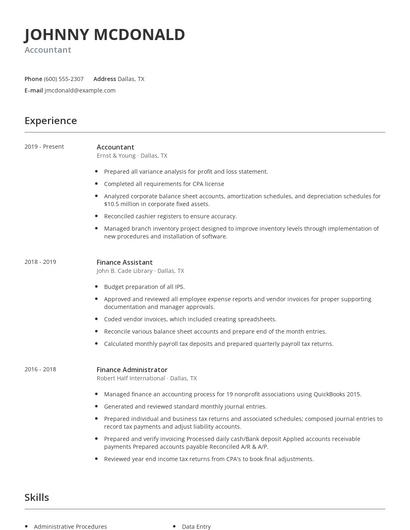
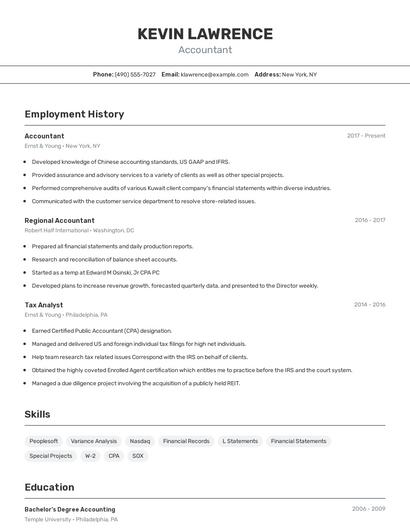
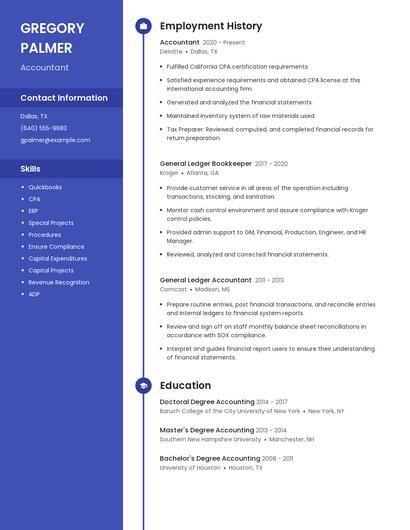
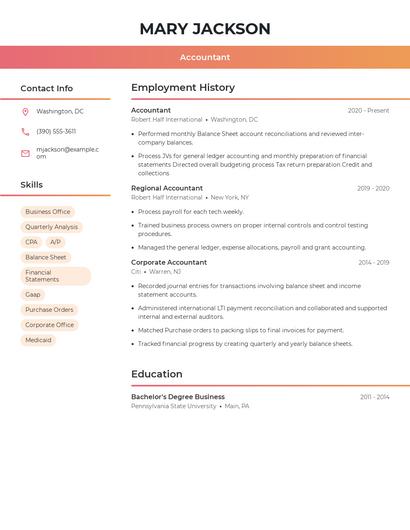
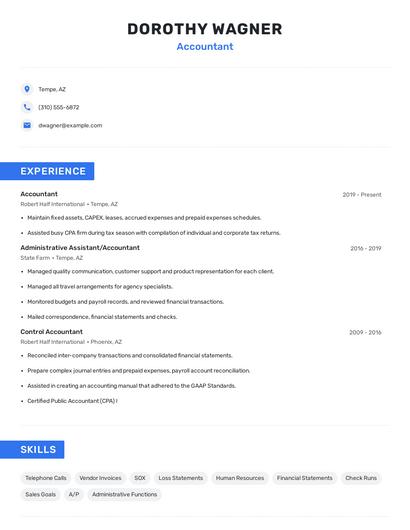
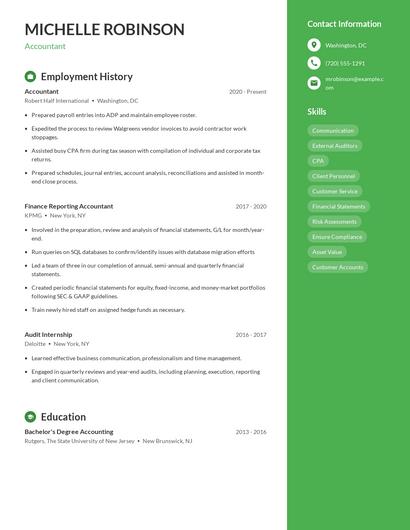
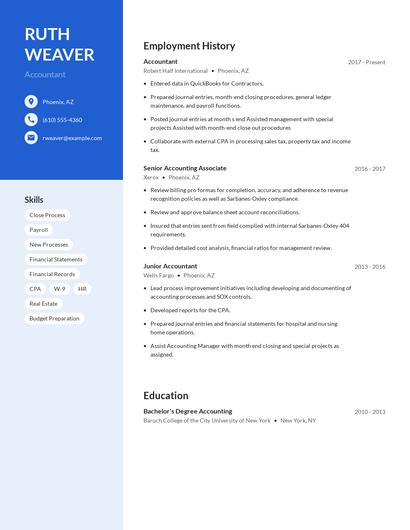
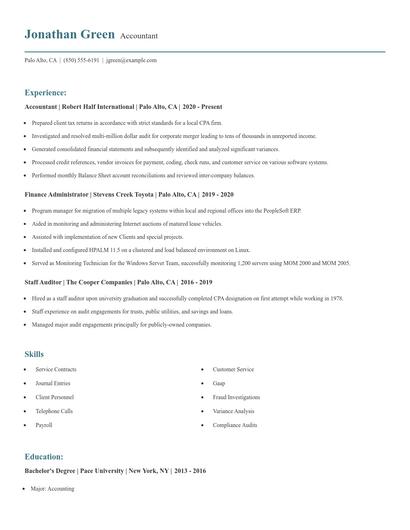
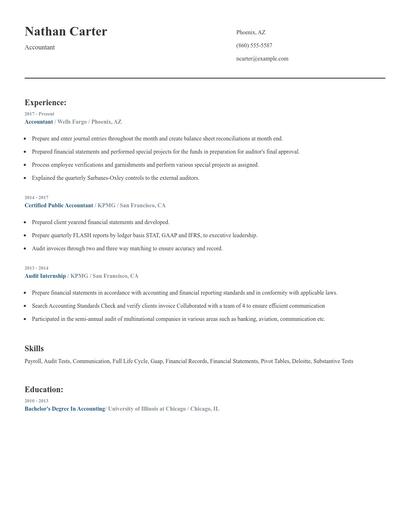
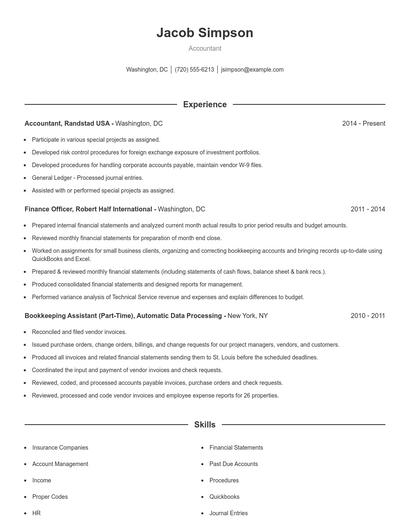
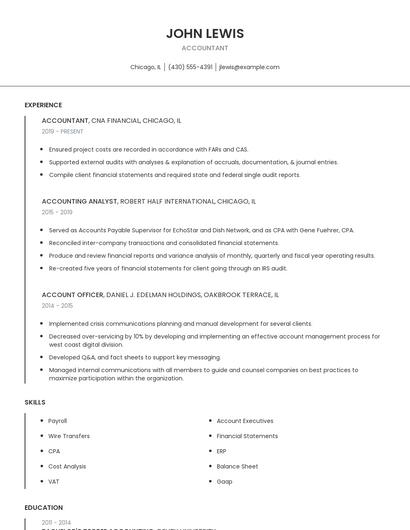
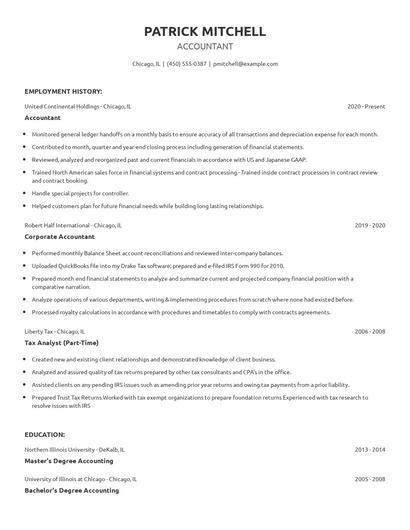
Choose from 10+ customizable resume templates
Zippia allows you to choose from different easy-to-use templates, and provides you with expert advice. Using the templates, you can rest assured that the structure and format of your resume is top notch. Choose a template with the colors, fonts & text sizes that are appropriate for your industry.