Explore jobs
Find specific jobs
Explore careers
Explore professions
Best companies
Explore companies
This question is about employer.
What does RIF stand for?
RIF stands for Reduction In Force. Reduction in force refers to employee terminations. RIFs occur most often when a company decides it no longer needs a specific employee position or a number of positions.
This particular situation relates to redundancy. When an employer terminates an employee because the company no longer needs the role, the employee becomes redundant. RIF actions are permanent with no chance of rehiring in the future. They are often caused by considerable shifts within the company, such as budget cuts or changes in business direction.
RIF differs from layoffs, and furloughs because those actions can be temporary. A RIF is a mandatory and final process due to a continuing problem that a company is experiencing. RIFs can also occur at companies when they end big contracts with other businesses or ones concerning a particularly large project.
RIFs are a common and justified response to changing business conditions or budget cuts at a company, however, employers who take this action need to be prepared for any applicable legal matters that come with it. HR departments need to be precise and clear on what employees are to be included in a RIF.
Here are some legal issues concerning RIF:
The WARN Act
The Worker Adjustment and Retraining Notification (WARN) Act is something that affects all employers that have 100 or more full-time employees. This includes:
Public employers
Private employers
Non-profit employers
For-profit employers
Employers who meet these criteria and want to take RIF measures must provide all employees with at least 60 days of notice in the event RIF is going to take place. There are also specifications within this act concerning who is eligible to be covered, like part-time workers and those on strike. It is important for all applicable employers to understand the WARN Act.
ADEA
The Age Discrimination in Employment (ADEA) Act is meant to protect employees that are over the age of 40 from issues regarding ageism. If a RIF action is taken by an employer and a portion of those terminated employees are over the age of 40, the employer might have some negative legal exposure because of ADEA.
COBRA
The Consolidated Omnibus Budget Reconciliation (COBRA) Act is one that protects terminated employees from job-related health coverage that will eventually lose as a result of the RIF. COBRA allows ex-employees to keep their job-related health coverage for up to 18 months after dismissal. Employers must follow timely procedures to avoid legal action.
FMLA
The Family and Medical Leave (FMLA) is one that enables employees to have up to 12 months of unpaid leave during family crises or other family situations. If an employee experiences a RIF while on FMLA, the employer must be able to prove in the documentation that the RIF is happening due to other factors, and not because the employee is on FMLA.
Workers' Compensation
Workers' compensation operates just like FMLA in terms of RIF. An employer must prove that the RIF is not connected to an employee being on workers' comp.

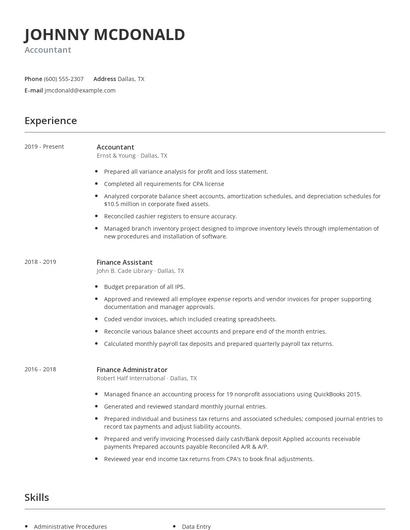
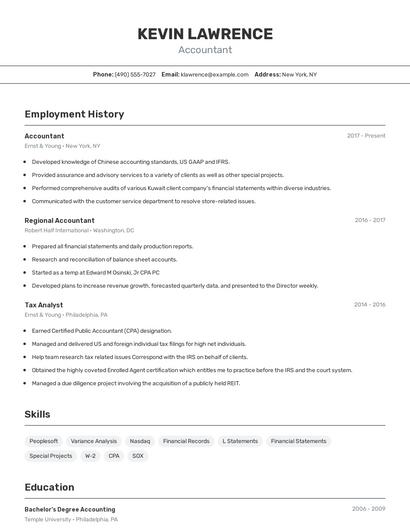
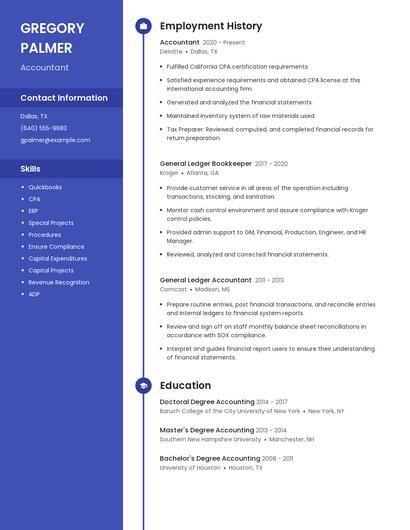
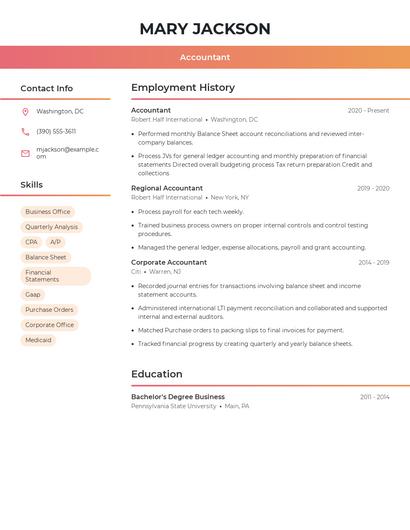
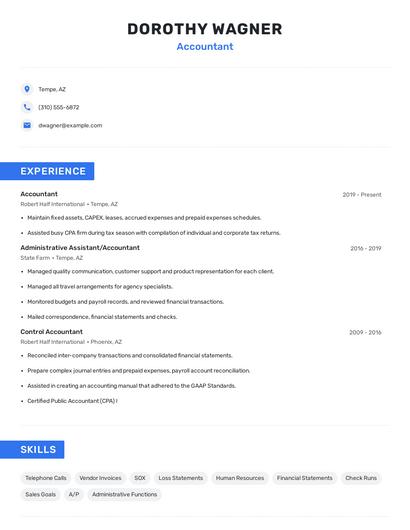
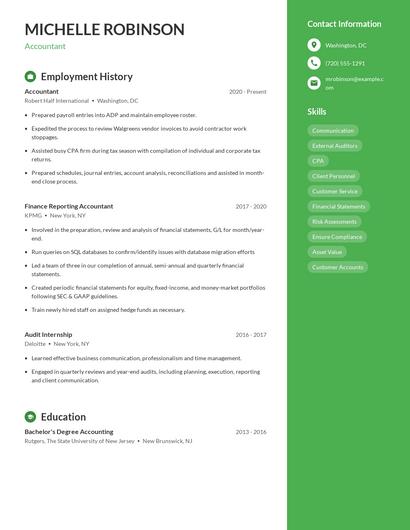
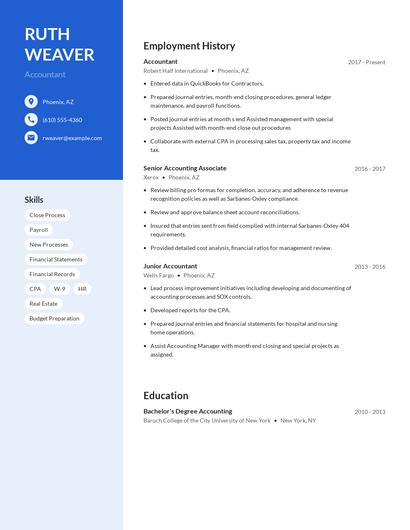
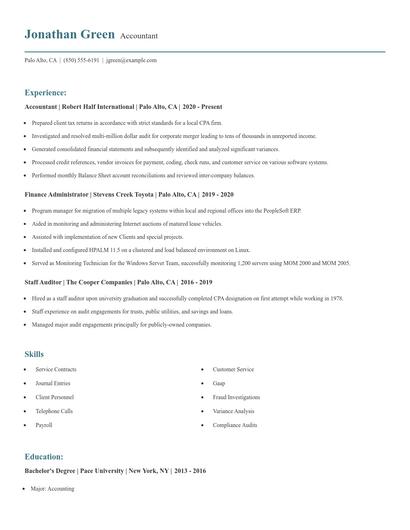
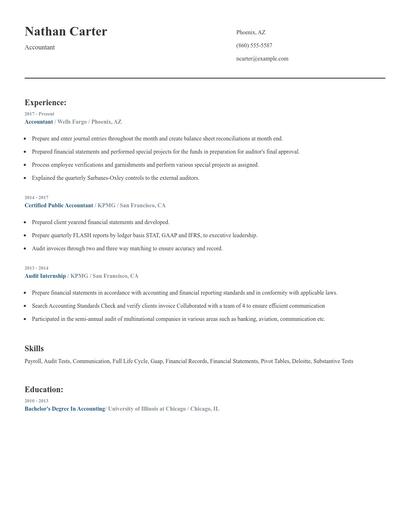
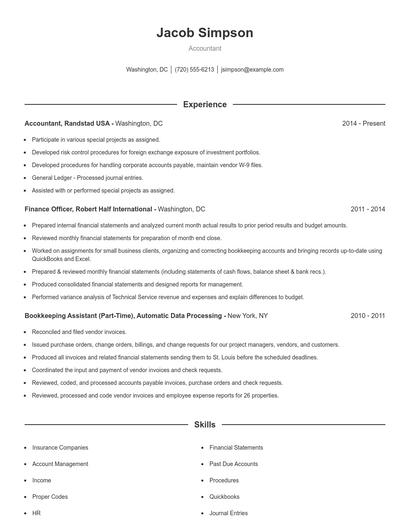
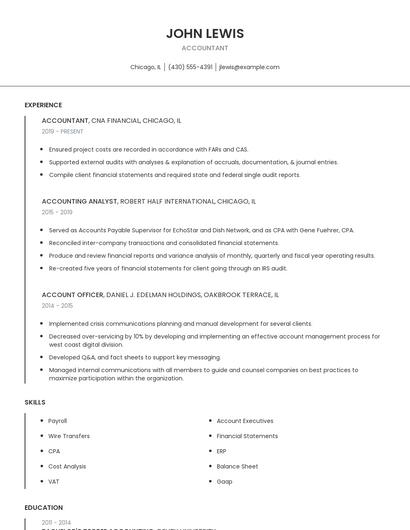
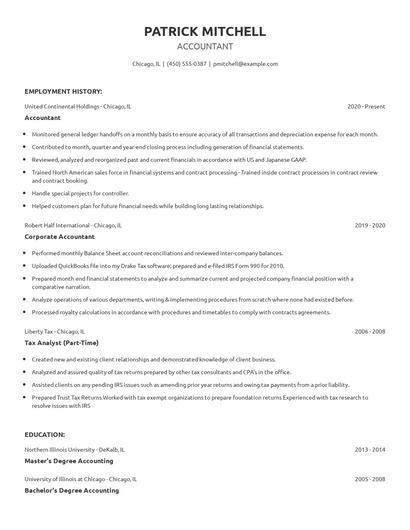
Choose from 10+ customizable resume templates
Zippia allows you to choose from different easy-to-use templates, and provides you with expert advice. Using the templates, you can rest assured that the structure and format of your resume is top notch. Choose a template with the colors, fonts & text sizes that are appropriate for your industry.