Explore jobs
Find specific jobs
Explore careers
Explore professions
Best companies
Explore companies
This question is about salaries.
What happens to my military retirement pay when i die?
Your military retirement pay stops when you die. This is why many veterans also opt for the Survivor Benefit Plan (SBP) which provides financial support to military spouses and/or children when a military member dies while on duty or after retirement.
SBP provides eligible beneficiaries with a monthly payment known as an annuity. The recipient of an SBP annuity is referred to as the annuitant.The amount of the SBP benefit is a percentage of retired pay. The percentage depends upon whether the member chooses full or reduced coverage at the time of election (generally at retirement or at 20-year qualification).
SBP typically provides up to 55% of a service member's retired pay to an eligible beneficiary upon the death of the member.After the service member passes away, the SBP annuity is paid out monthly to the surviving spouse, or to the child or children of the member. The designated SBP beneficiary becomes eligible to receive SBP benefits on the day after a service member's death. The first step a beneficiary must take to initiate SBP benefits is to report the death. Please visit our Reporting a Death page for step-by-step instructions.
Surviving spouses maintain their eligibility for SBP until death, as long as they do not remarry before the age of 55. If the annuitant remarries before age 55, annuity payments will stop. However, if the marriage of an annuitant (who remarried before age 55) later ends for any reason, their eligibility for the annuity is reinstated, effective on the first day of the month the marriage ends.

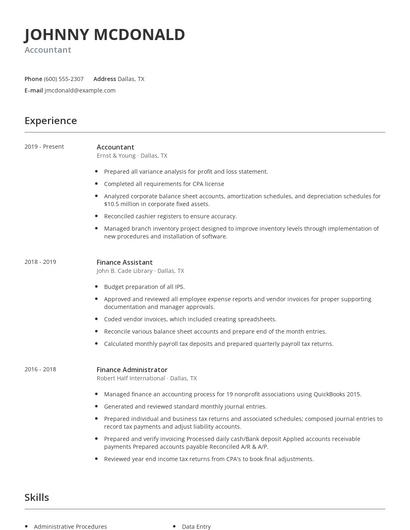
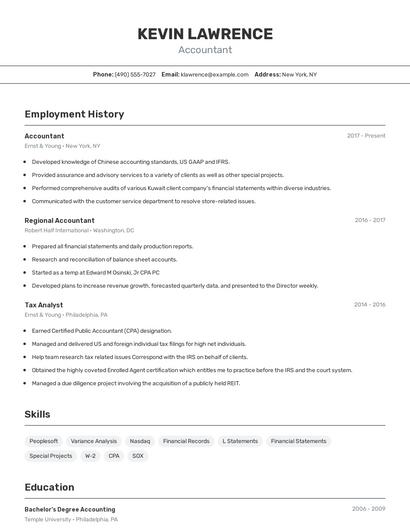
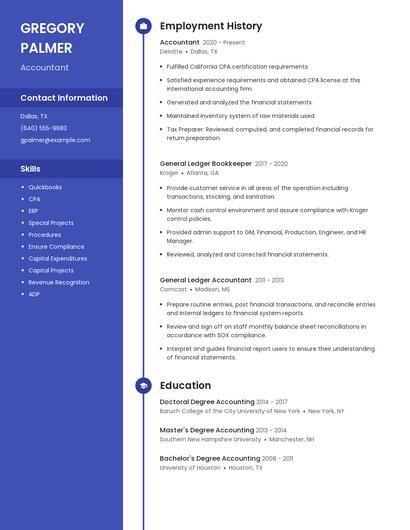
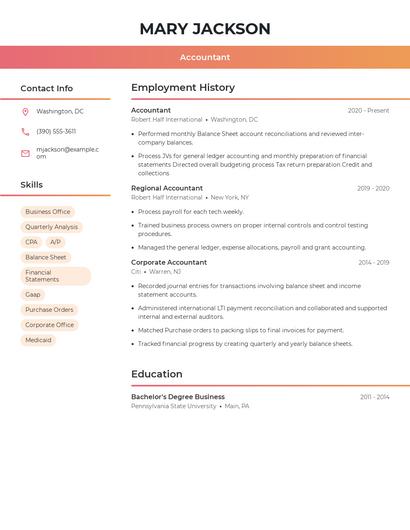
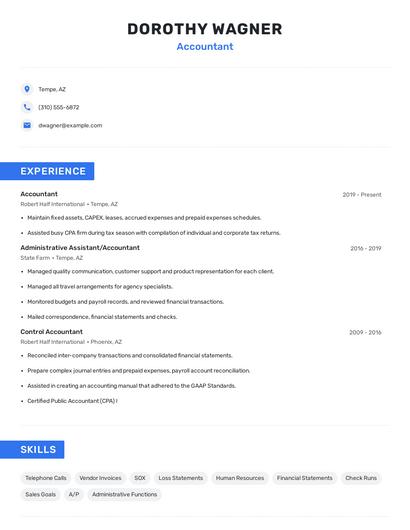
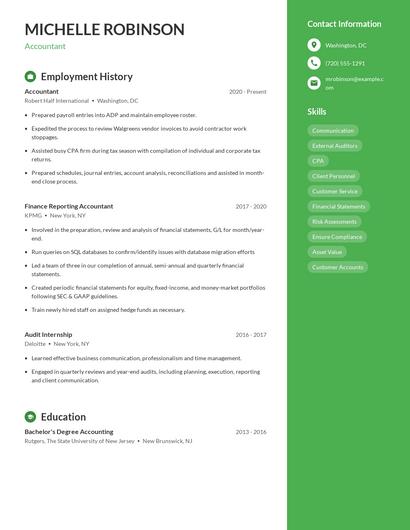
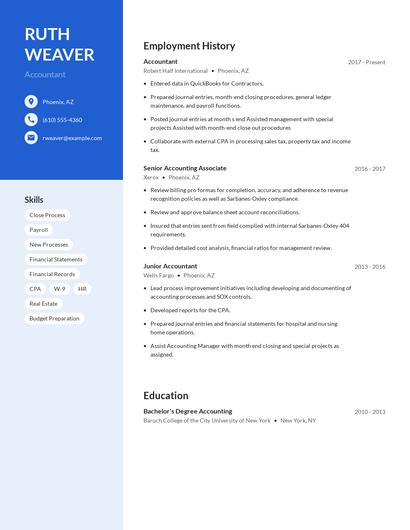
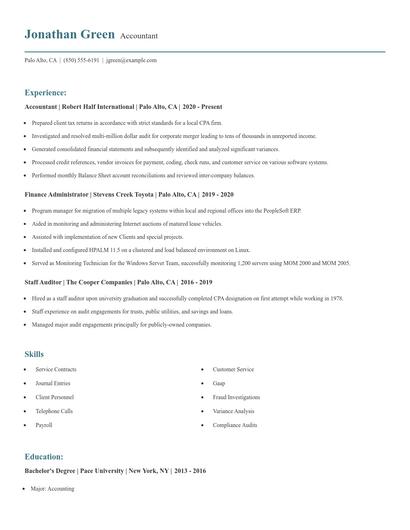
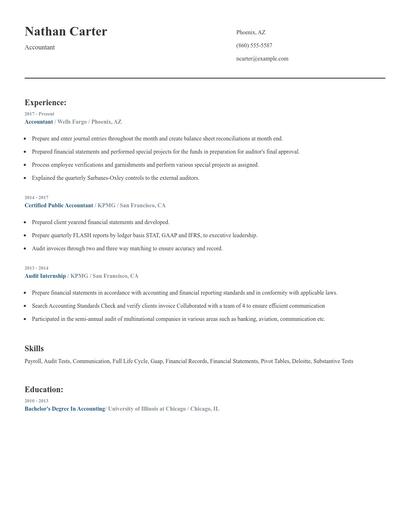
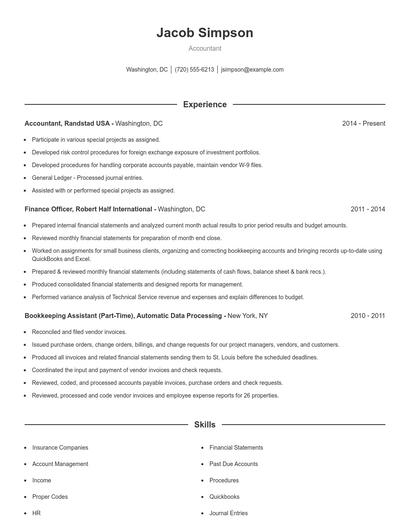
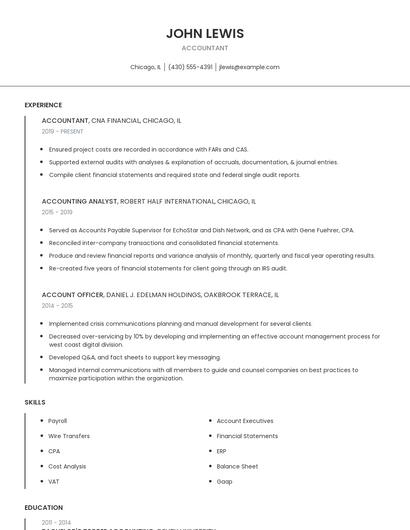
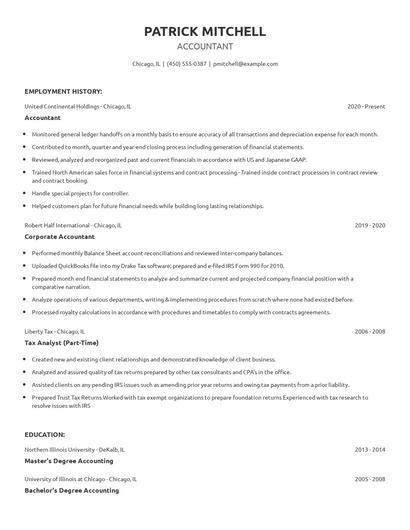
Choose from 10+ customizable resume templates
Zippia allows you to choose from different easy-to-use templates, and provides you with expert advice. Using the templates, you can rest assured that the structure and format of your resume is top notch. Choose a template with the colors, fonts & text sizes that are appropriate for your industry.