Explore jobs
Find specific jobs
Explore careers
Explore professions
Best companies
Explore companies
This question is about wood inspector certifications.
What is a CARB certification?
A California Air Resources Board (CARB) certification is a certification that shows a wood manufacturer follows the regulations concerning formaldehyde emission limits for hardwood plywood (HWPW), particle board (PB), and medium-density fiberboard (MDF).
The need for this certification stems from the Environmental Protection Agency (EPA) issuing the Toxic Substances Control Act (TSCA) Title VI Compliance Rule in 2016 for composite wood.
This rule was created with the assistance of the California Air Resources Board (CARB) to ensure it was consistent or close to the CARB Airborne Toxic Control Measure (ATCM) method, but it also provides a greater compliance requirement for the United States.
To receive this certification, a wood manufacturer must undergo a series of examinations that verifies that the manufacturing facility for subject composite wood products is capable of complying with the CARB ATCM emission standards and TSCA Title VI.
Wood manufacturers must also undergo quarterly inspections and testing by the TPC and routine quality control testing at manufacturing locations.
Wood manufacturers that earn certification demonstrate that their panels comply with the emission standards by labeling them CARB Phase 2 compliant or TSCA compliant.
This certification is essential to nearly every wood panel manufacturer around the globe. Earning this certification opens a wood manufacturer up to new markets and helps them develop the knowledge and tools to control formaldehyde emissions from their wood products by creating on-site quality control testing procedures.

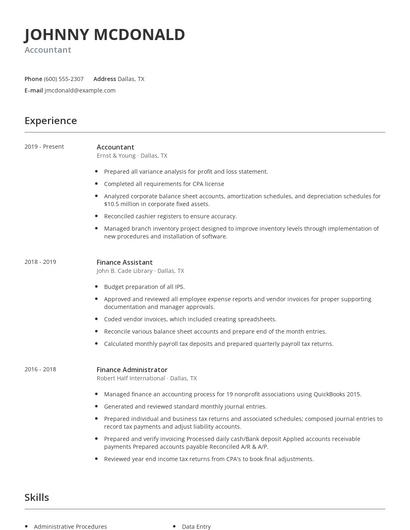
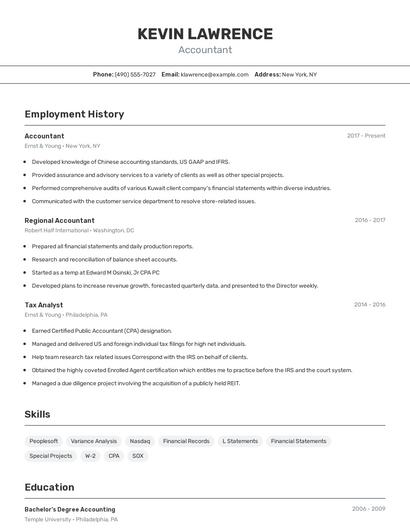
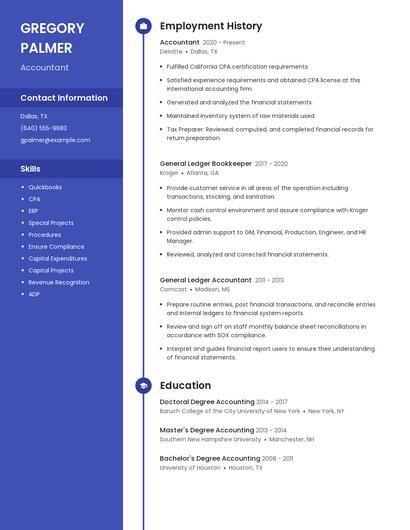
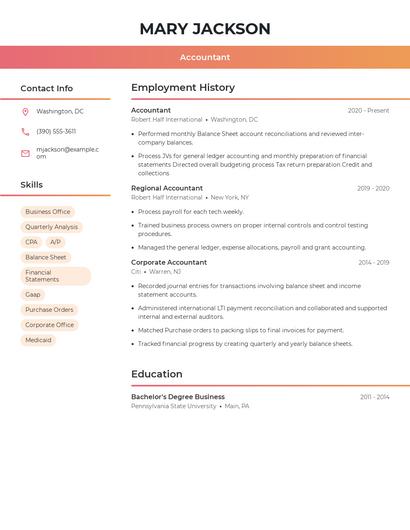
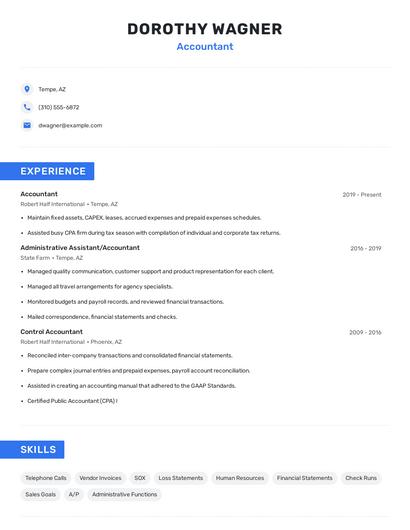
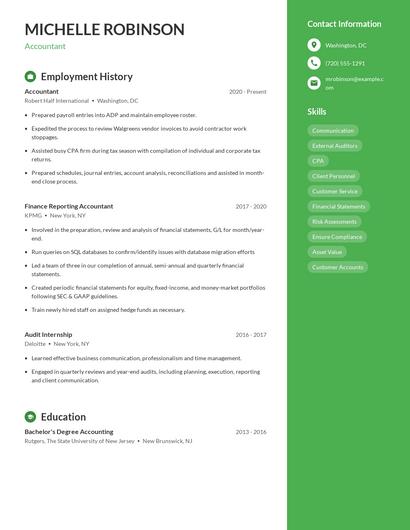
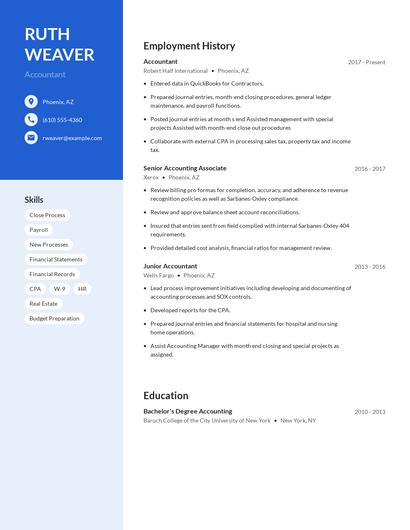
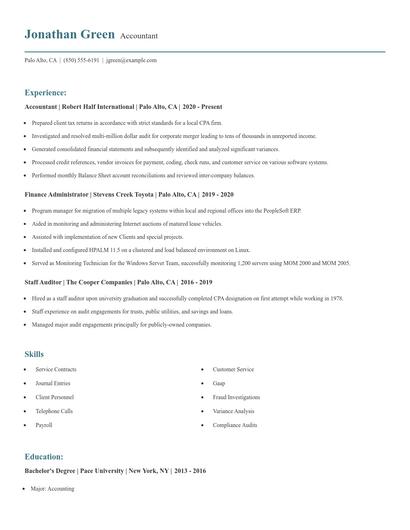
Choose from 10+ customizable resume templates
Zippia allows you to choose from different easy-to-use templates, and provides you with expert advice. Using the templates, you can rest assured that the structure and format of your resume is top notch. Choose a template with the colors, fonts & text sizes that are appropriate for your industry.