Explore jobs
Find specific jobs
Explore careers
Explore professions
Best companies
Explore companies
This question is about employer.
What is a sabbatical leave?
A sabbatical leave refers to a period of time in which an employee steps away from their role and professional responsibilities at a company. Sabbatical leaves almost always have to be approved by employers in order for an employee to take one.
Sabbatical leaves can come in many different forms in terms of time frame, however, they are always longer than common employee vacation leaves. Sabbatical leave times are agreed upon by an employer and their employee. They may be paid or unpaid depending upon the agreement between the two parties.
Employees often use sabbatical leave to accomplish activities that they could not do while having the commitment to their regular work schedules. Here are some examples:
Long-term traveling (three to four weeks or months), especially traveling internationally
Completing volunteer work for non-profits, or special volunteer projects normally occur away from their work location, and can also be international
Researching specific subjects pertaining to interests or those that have a direct correlation to their career
Attending long-form professional development opportunities
If you are thinking about implementing a sabbatical leave policy at your company, you first need to determine a few things. Here are some common items employers go over before instituting a sabbatical leave policy:
Years of employment to qualify for sabbatical leave
You need to first determine how long employees have to work for your company in order to have sabbatical leave policy benefits. Most companies reward sabbatical leave to senior and veteran employees that have had many years of loyalty and service to the company. The standard time frame for qualified sabbatical leave is having worked five or more years.
Limits on a time frame for sabbatical leave
You should also determine a cap for sabbatical leave time for your employees. This is very important, and if it is not specified, it can lead to a misunderstanding between the employer and the employee. You can make your time frames apply to years of service, or deal with each employee on a case-by-case basis. Just make sure you have a structure in this area.
Reasons for sabbatical leave
Many companies allow certain employees to take sabbatical leave for any purpose, while others impose guidelines for the reasons a sabbatical leave can be taken. This is up to your organization to determine. Just make sure you clearly state your company's guidelines in this policy.
Paid sabbatical leave and unpaid sabbatical leave
This is also a facet you should determine before implementing the policy. You need to decide if you are going to offer sabbatical leave as a paid or unpaid option to employees. You can also consider paying your employees a reduced wage or salary during a sabbatical leave.
The time frame for required notice for sabbatical leave
You should also outline a time frame for required notice, in other words, how far in advance your employee must state that they would like to take sabbatical leave. Two to three months in advance is the common time frame for many companies.

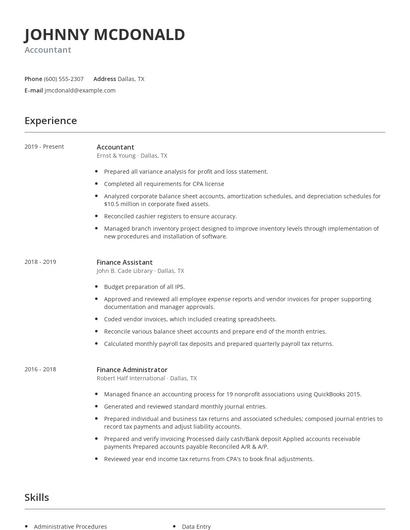
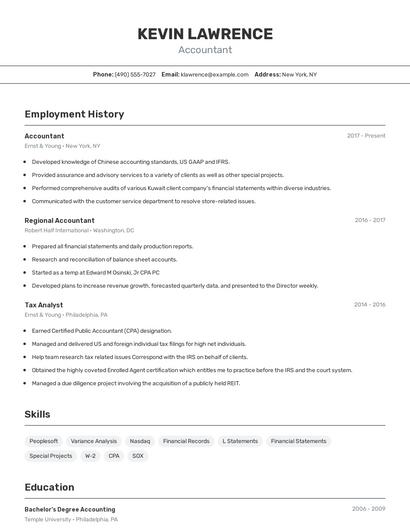
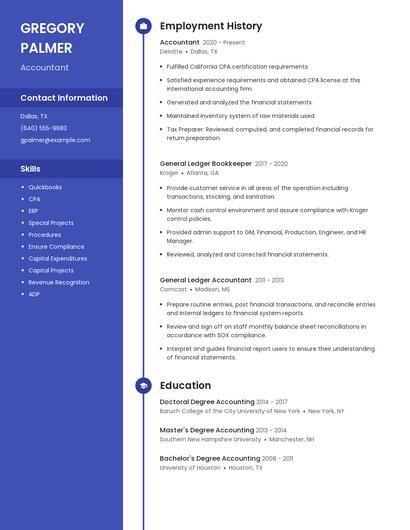
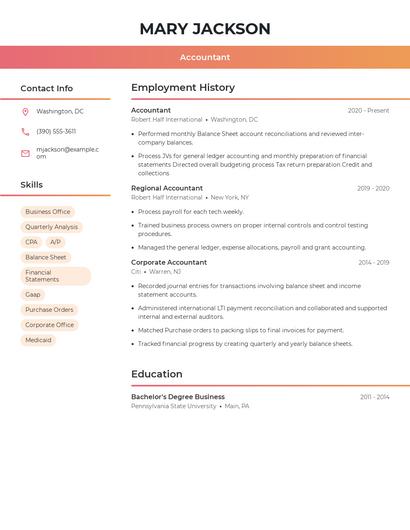
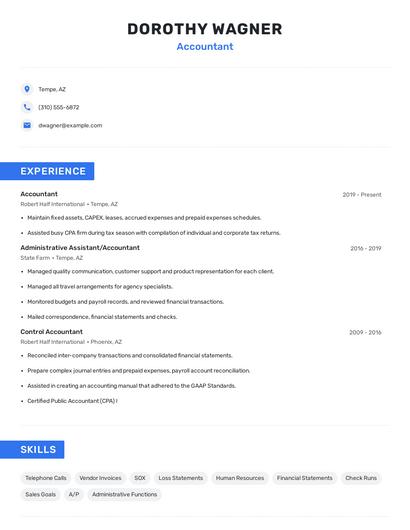
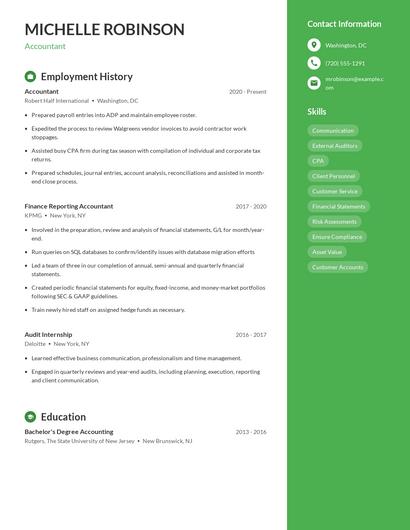
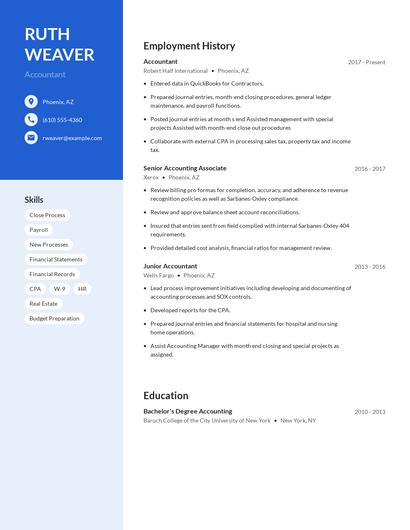
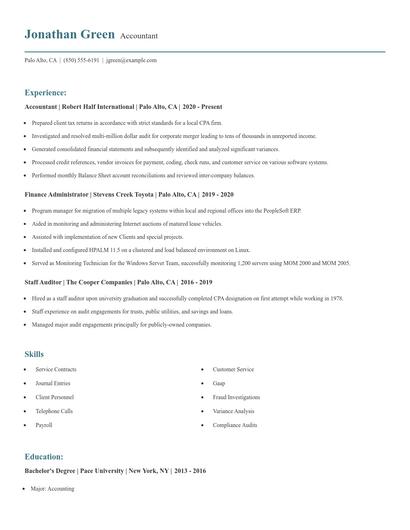
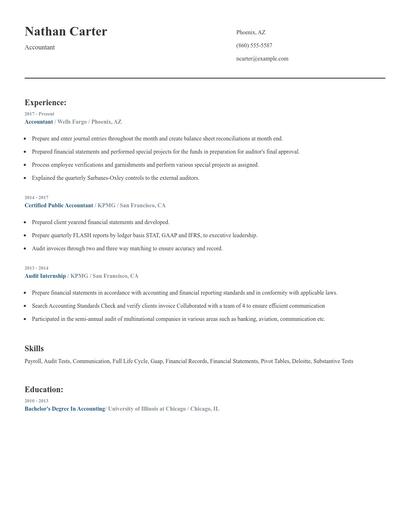
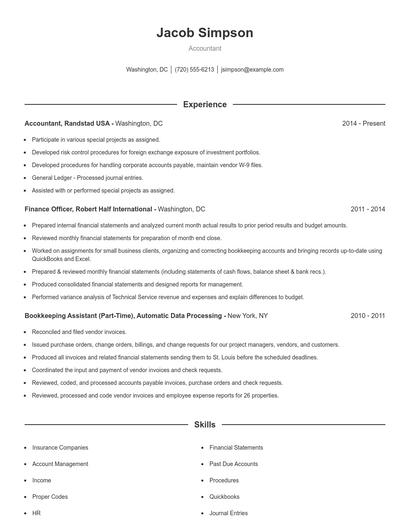
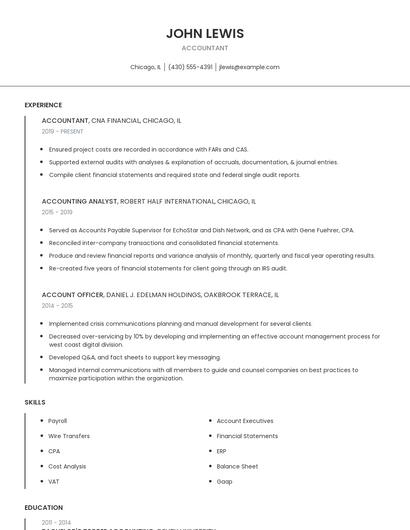
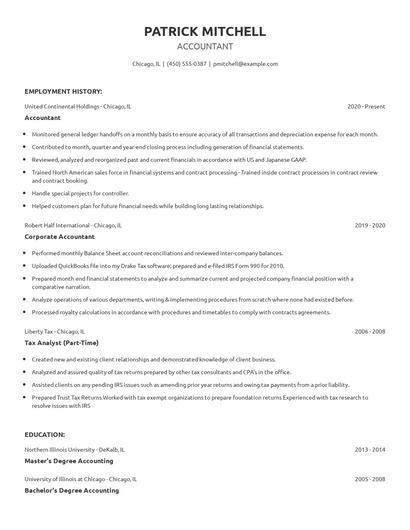
Choose from 10+ customizable resume templates
Zippia allows you to choose from different easy-to-use templates, and provides you with expert advice. Using the templates, you can rest assured that the structure and format of your resume is top notch. Choose a template with the colors, fonts & text sizes that are appropriate for your industry.