Explore jobs
Find specific jobs
Explore careers
Explore professions
Best companies
Explore companies
This question is about what a us army officer does.
What is a typical day at army basic training?
A typical day at army basic training involves staying busy, staying fit, and learning to deal with emotional stresses.
Army basic training begins with early rising at 4:30 am, and that's if you're not on guard duty. If you are not drilling or training, you will be cleaning barracks or weapons. If you are not doing these, you could be paying for the consequences of someone else's misactions by standing at attention for a length of time.
There are different phases of basic training. Your day depends on which phase you are in. However, all phases include rising early, working endlessly, and staying fit. During all of these phases you are being prepared to be mentally strong and how to gain trust in others along the way.
The red phase is your initial haircut, fitness testing, and basic skills. Some of the basic skills include tactical training, basic defenses, and rappelling. You also learn much of the army history during this time.
Next is the white phase. In this phase, you work on marksmanship, combat skills, and foot skills. You also begin field training and obstacle courses. Finally, you enter the blue phase, which involves automatic weapons and hand grenade training. It also includes lengthy tactical marches. You are also tested during this phase on a night course. The final step of all of this is basic training graduation.
After the formal stages of basic training, each day continues to be a test of resilience and discipline. Your typical day might start off with physical training (PT), which could include a run, a series of calisthenics, or a blend of both. This is followed by a hearty breakfast at the mess hall, where you refuel for the day ahead.
The mornings are usually dedicated to classroom instructions where you learn about different aspects of military life, law, ethics, and specialized skills pertinent to your designated role in the army. These lessons are not just theoretical; you are expected to apply what you learn in practical scenarios.
After lunch, the afternoons are often spent on the field for hands-on training. This can include weapon handling and maintenance, first aid application, navigation skills, and tactical combat exercises. You may also participate in drills that mimic real-life scenarios to test your readiness and responsiveness under pressure.
Evenings might be set aside for personal time - a chance to take care of personal hygiene, write letters home, or simply unwind within the barracks. However, free time is a luxury and not a given. You might be assigned additional duties such as guard shifts or cleaning tasks.
Before lights out, there might be a final roll call or a debriefing of the day's activities. It's then time to get some sleep and rest before another challenging day begins. Remember, army basic training is designed to push you physically and mentally to prepare you for the rigors of military life.

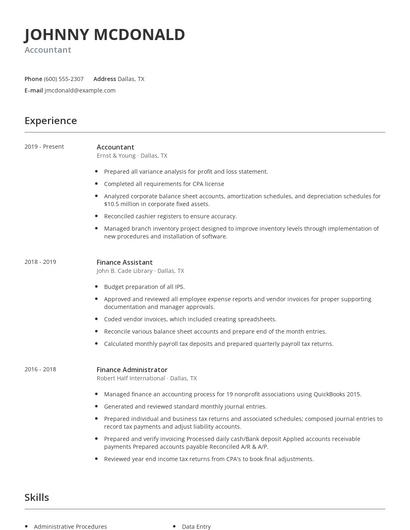
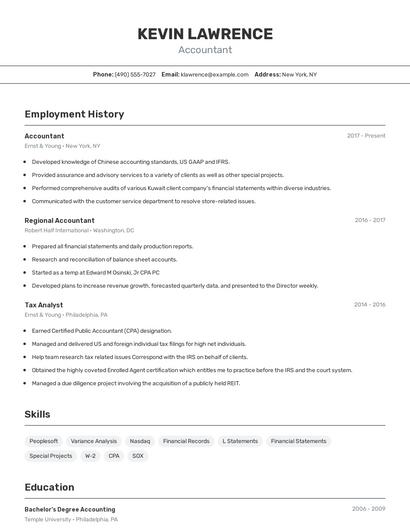
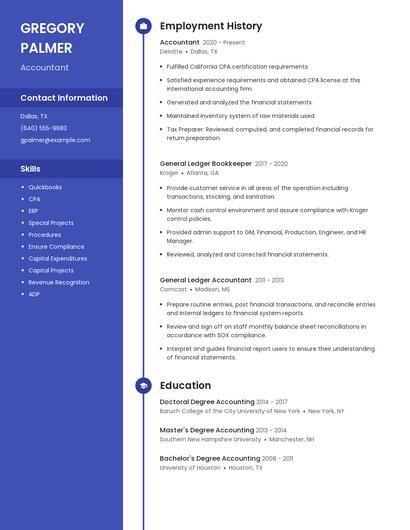
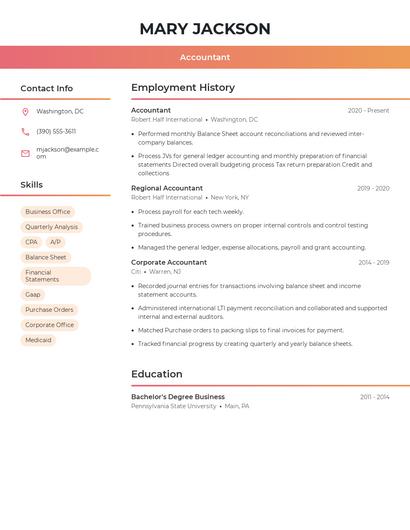
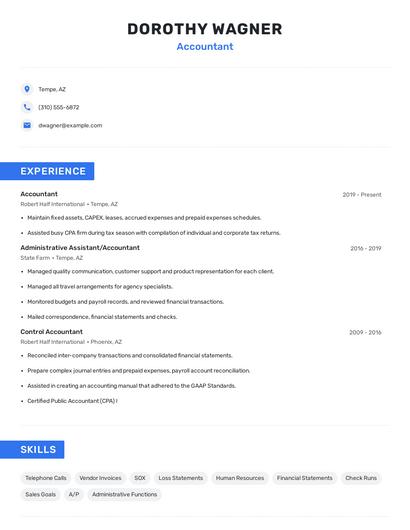
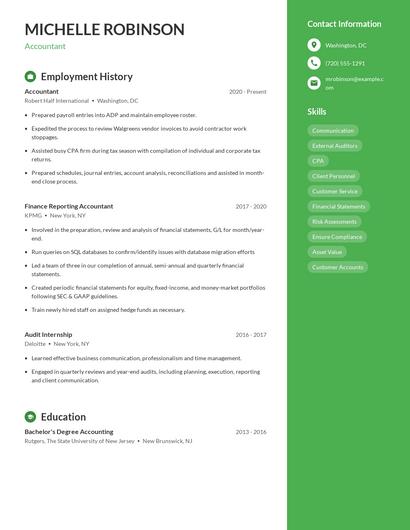
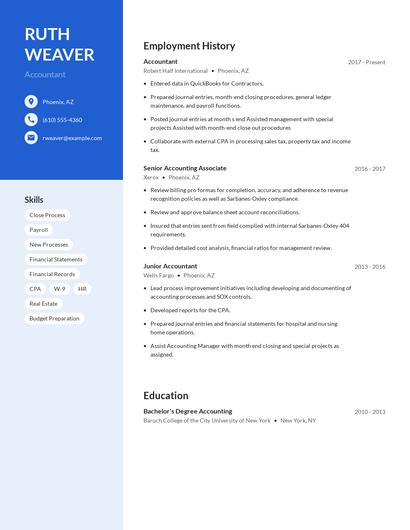
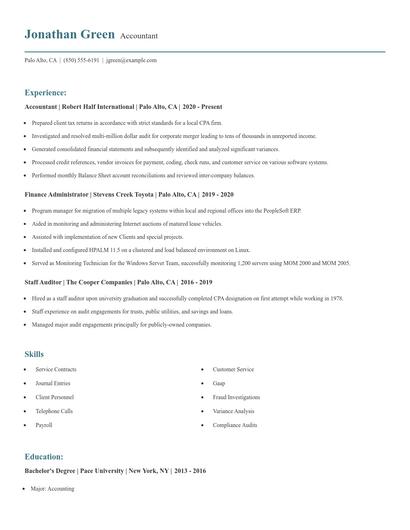
Choose from 10+ customizable resume templates
Zippia allows you to choose from different easy-to-use templates, and provides you with expert advice. Using the templates, you can rest assured that the structure and format of your resume is top notch. Choose a template with the colors, fonts & text sizes that are appropriate for your industry.