Explore jobs
Find specific jobs
Explore careers
Explore professions
Best companies
Explore companies
This question is about employer.
What is cronyism?
Cronyism is the practice of organizations hiring and appointing friends to positions within their company, even when they are underqualified, or not qualified at all. Cronyism is a problem that exists in nearly every industry. Companies can have executives that use cronyism to get their friends' high-level roles at their organizations.
Cronyism also takes the form of already hired friends of powerful professionals at companies receiving preferential treatment. In other words, they are not held to the same standards in terms of workload, responsibilities, accountability, and disciplinary actions for bad behavior or poor job performance.
Cronyism can actually be particularly bad for certain organizations if the friends are grossly unqualified. This can cause turmoil among the staff and can have operational and profit-related repercussions as well. Cronyism can take many different forms and be done in different ways.
Reciprocal cronyism is a kind of cronyism in which a high-level professional hires a friend, and that friend takes on the role for one or all of the following reasons:
They are financially dependent upon the person that hired them
The specifics of the extent of changes the job offer represents (better salary, workplace loyalty, better relations)
Cultural norms at the company or even within the specific industry (this refers to when a specific company or industry has allowed or even rewarded cronyism in the past)
Reciprocal cronyism is somewhat rampant in certain sectors of the economy. This normally is confined to senior-level roles, such as executives, or consulting opportunities. This type of cronyism refers to the close friend being hired feeling and acting on a sense of entitlement, just because they are extremely close to a senior employee at the company.
Cronyism can have many bad effects on a business. Here are some of the most common negative effects of cronyism:
Makes for an unhealthy and uncertain working environment
Cronyism can make regular employees feel undervalued and insecure in their roles. It can also cause them to worry about their own positions and their futures at their companies. Seeing friends receive preferential treatment also often results in a strong level of animosity among the staff.
Decreases employee morale
Cronyism can also have a profoundly negative effect on employee morale at a company. This decreases job satisfaction rates and overall employee opinions of the company. Often resulting in diminishing employee performances and a lack of dedication.
Cronyism can cause high employee turnover rates
If cronyism is very prevalent at a company, then the employees may think that their hard work and loyalty to the firm are not going to pay off in the long run. Thinking they won't be able to advance their careers as far as they would like, they may opt to leave the company for an organization where they feel the advancement opportunities are greater.
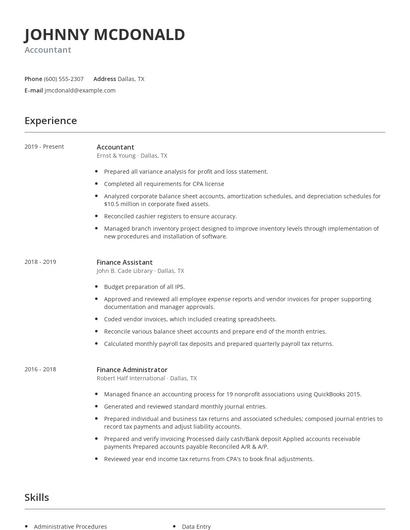
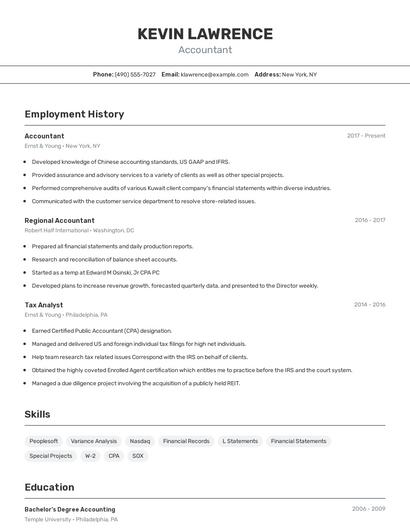
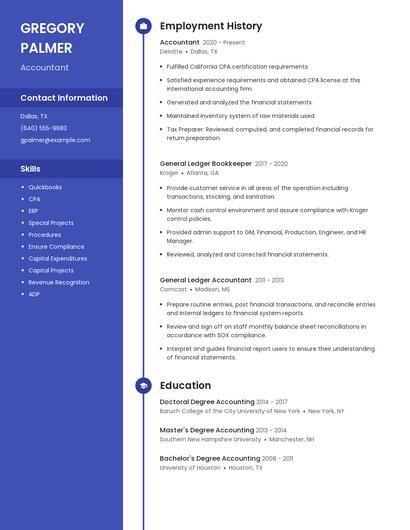
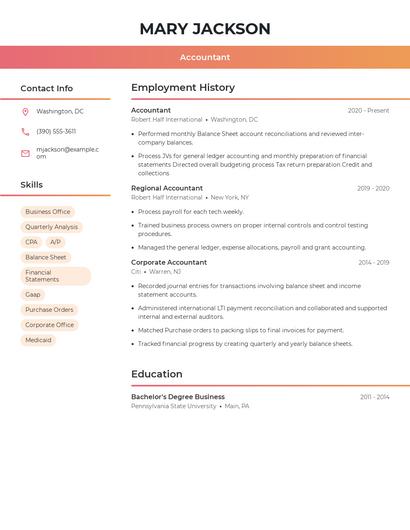
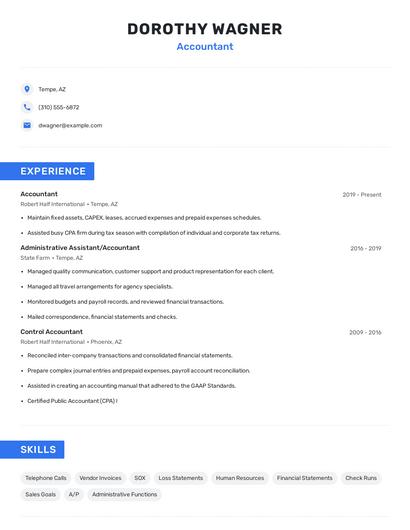
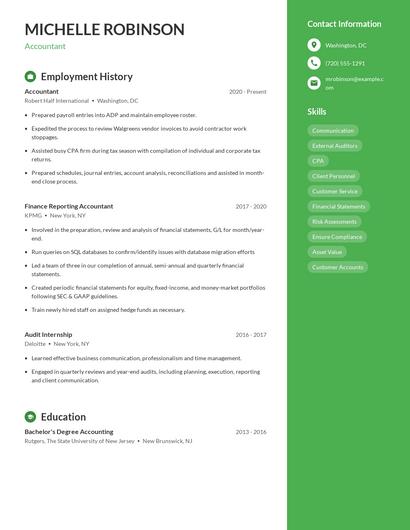
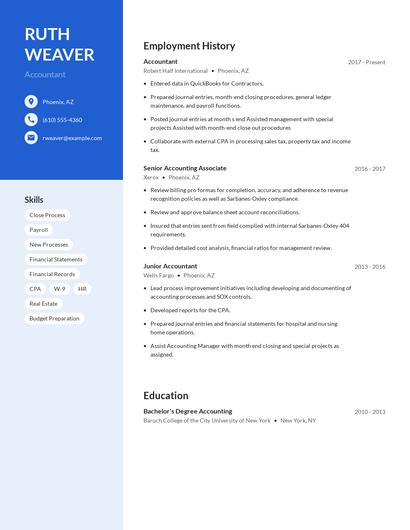
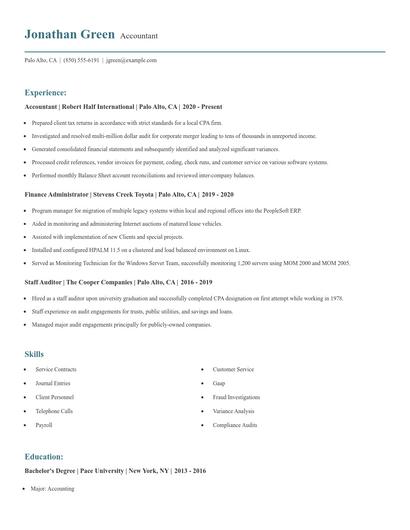
Choose from 10+ customizable resume templates
Zippia allows you to choose from different easy-to-use templates, and provides you with expert advice. Using the templates, you can rest assured that the structure and format of your resume is top notch. Choose a template with the colors, fonts & text sizes that are appropriate for your industry.