Explore jobs
Find specific jobs
Explore careers
Explore professions
Best companies
Explore companies
This question is about salaries.
What is strategic compensation?
Strategic compensation is a term that refers to the financial compensation, employee benefits, and incentives a company offers its employees to maximize employee retention and commitment to the company's goals and objectives.
HR departments often employ strategic compensation packages to attract and hold onto top-tier talent. This helps companies to develop compensation packages that position them well in the job market of specific industries.
Strategic compensation often includes competitive compensation, which often includes:
High salaries for employees
Comprehensive employee benefits (Insurance and retirement plans, etc.)
Forms of variable compensation
Variable compensation is a form of payment from employers to employees that is based on employee performance. Normally, variable compensation is paid in addition to base compensation, like an annual or hourly wage.
Variable compensation is often included in strategic compensation packages. Employers use it to incentivize their employees to perform better or at a higher output level. If a sales team can reach or exceed a sales goal, they might receive variable compensation through bonuses.
Variable compensation can come in several forms, including:
Bonuses
Commissions
Incentives
Stock options
Profit-sharing plans
Within some of these areas, there are other variable compensation subsets.
For bonuses:
Retention bonus
Project-based bonus
Referral bonus
Sign-on bonus
For incentives:
Management programs
Profit-sharing programs
Gainsharing programs
Sales incentive programs
Cash-based programs
Equity-based programs

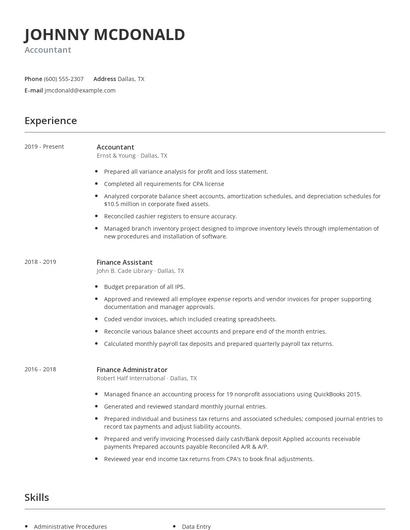
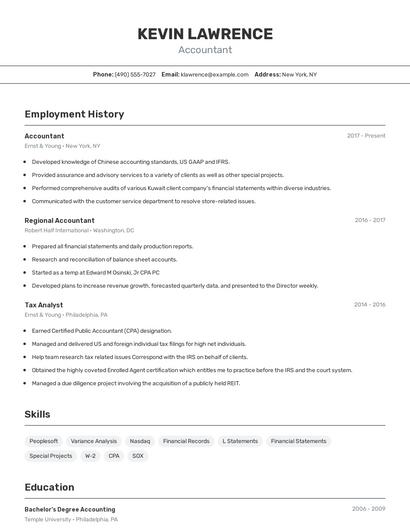
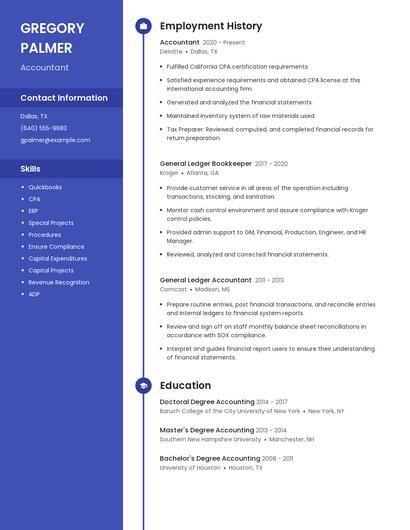
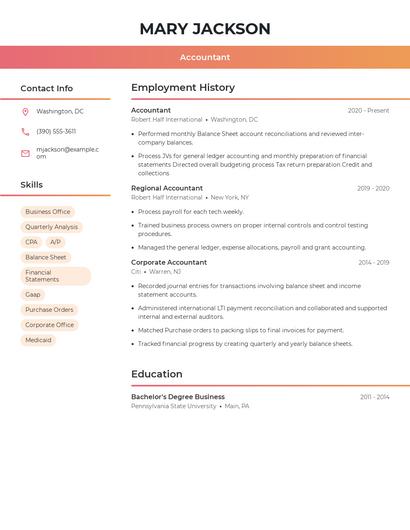
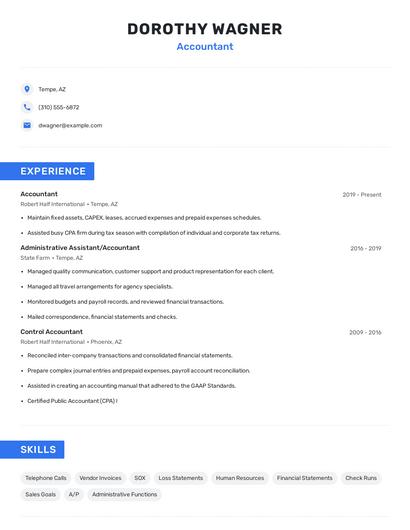
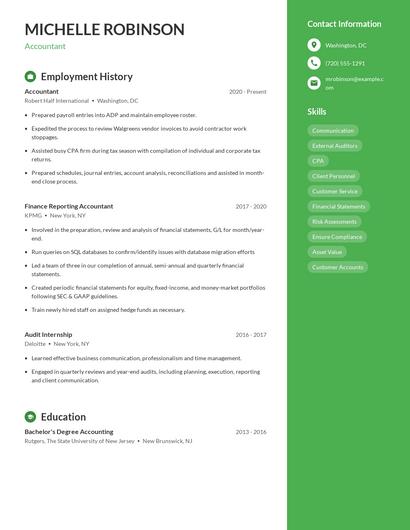
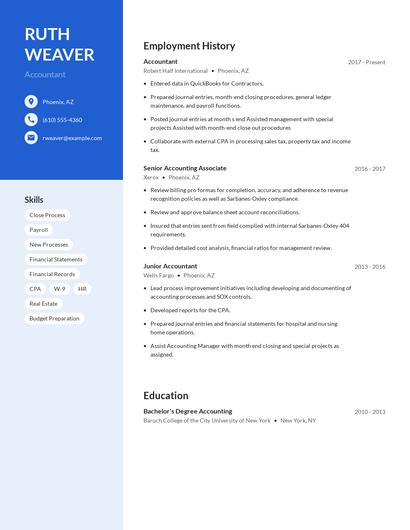
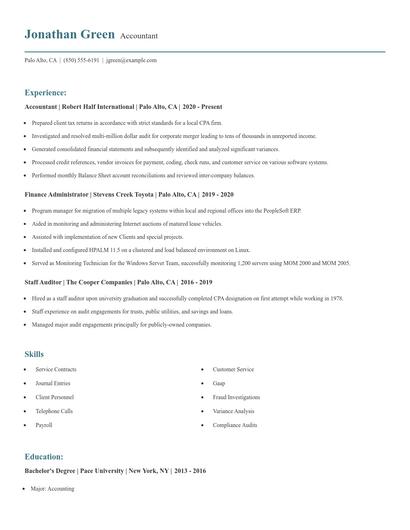
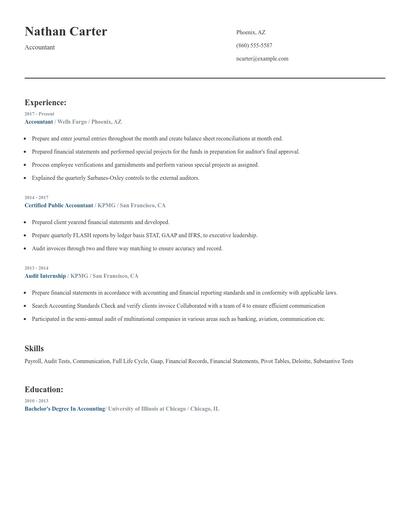
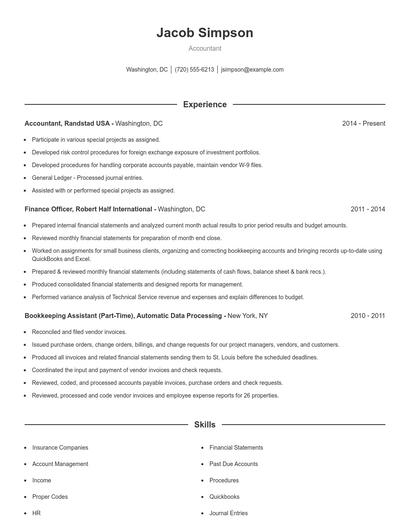
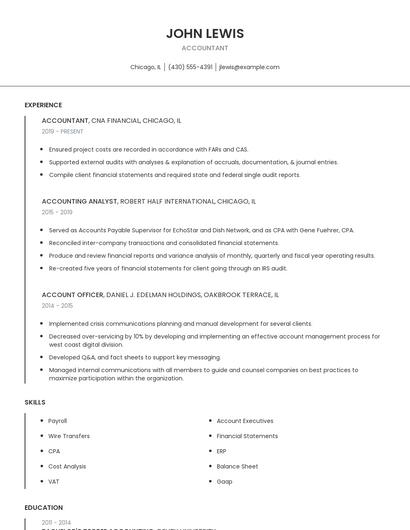
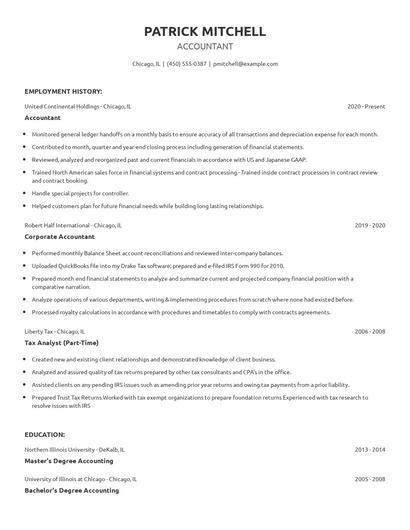
Choose from 10+ customizable resume templates
Zippia allows you to choose from different easy-to-use templates, and provides you with expert advice. Using the templates, you can rest assured that the structure and format of your resume is top notch. Choose a template with the colors, fonts & text sizes that are appropriate for your industry.