Explore jobs
Find specific jobs
Explore careers
Explore professions
Best companies
Explore companies
This question is about forensic scientist.
What is the career path for a forensic scientist?
The career path for a forensic scientist involves jobs as a police officer, crime scene investigator, and forensic scientist. The career path for a forensic scientist has a few off-and-on ramps in terms of specific education, professional experience, and roles that can be obtained.
Here is a look at the career path for a forensic scientist:
Education
A minority of forensic scientists can break into the field without a college education. These are usually police officers that transition into becoming crime scene investigators. However, in general, most aspiring forensic scientists need at least a bachelor's degree in forensic science. Many also try to take coursework related to these areas:
Criminal Law
Criminalistics
Firearms Examination
Forensic Geology
Laws of Evidence
Forensic Microscopy
Those looking to advance far on the forensic science career path should consider getting a master's degree. When pursuing a master's degree in this field candidates study coursework in the following areas:
Criminalistics
Molecular Biology
Forensic Toxicology
Forensic DNA Serology
Forensic Drug Chemistry
Forensic Toxicology
Those looking to establish an academic career in the field as forensic science professors at a university or college should obtain a Ph.D. in the area.
Professional Experience
Many of those looking to build a career in this field utilize internship programs either while in the last year of their college education or immediately after they graduate with a degree. Internships help candidates to gain essential hands-on experience and knowledge in the field of forensic science.
Here are some of the most common places to find a forensic science-related internship:
Local police departments
State police departments
Crime labs
Useful experience in this field can also be gained by interning or working in any type of laboratory setting. After an internship aspiring forensic scientists can obtain positions working for law enforcement agencies. Here are some of the most common positions on the forensic scientist career path:
Crime scene investigator
Fingerprint technician
Evidence technician
Forensic science technician
Forensic specialist
Forensic investigator
Forensic accountant

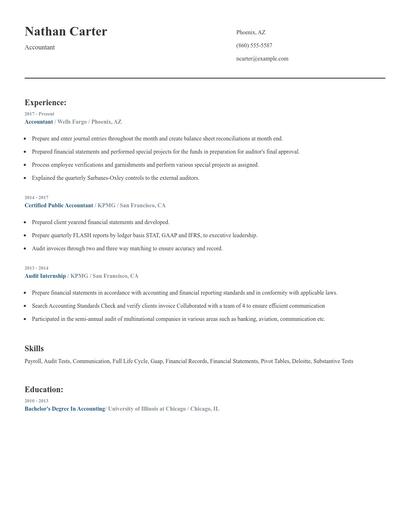
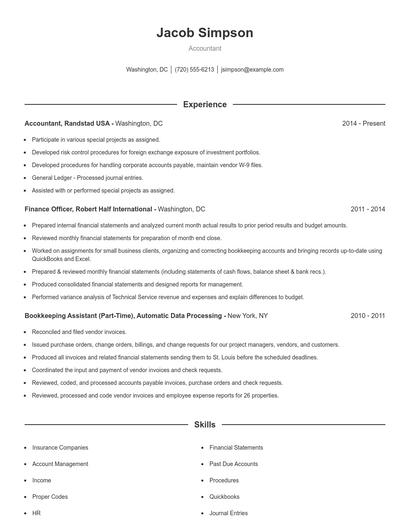
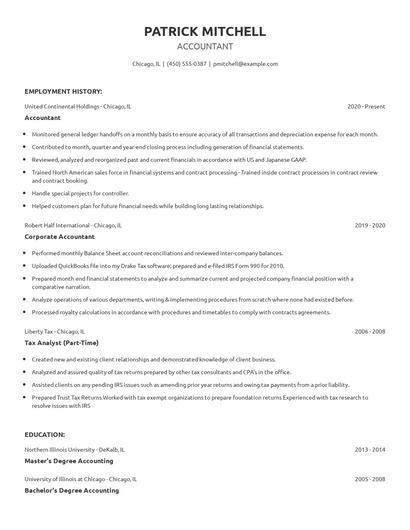
Choose from 10+ customizable resume templates
Zippia allows you to choose from different easy-to-use templates, and provides you with expert advice. Using the templates, you can rest assured that the structure and format of your resume is top notch. Choose a template with the colors, fonts & text sizes that are appropriate for your industry.