Explore jobs
Find specific jobs
Explore careers
Explore professions
Best companies
Explore companies
This question is about anesthesiologist.
What is the career path for an anesthesiologist?
The career path for an anesthesiologist includes jobs as a medical student, resident physician, and anesthesiologist.
The qualifications of an anesthesiologist are completing medical school, completing a residency program, and having a state license. Here are some details on the career path of an anesthesiologist:
Education
It can take well over a decade of education and training in order to become an anesthesiologist.
Anesthesiologists face all of the challenges unique to becoming any kind of doctor. These include passing the MCAT and graduating from medical school, which are extremely difficult endeavors.
First, they must enroll in a college or university and complete the prerequisite courses needed for admission into medical school. This includes bachelor's degree programs majoring in biology, natural sciences, or another related field.
Next aspiring anesthesiologists have to prepare for the Medical College Admissions Test (MCAT). This is an eight-hour exam that is computer-based and tests four different areas:
Chemical and Physical Foundations of Biological Systems
Critical Analysis and Reasoning Skills (CARS)
Biological and Biochemical Foundations of Living Systems
Psychological, Social, and Biological Foundations of Behavior
Aspiring anesthesiologists then must attend a four-year medical school program. This program focuses on the major areas of medicine and prepares students for a residency and career in anesthetics.
While in medical school, aspiring anesthesiologists need to prepare to take the United States Medical Licensing Examination (USMLE). This exam is a requirement to be an anesthesiologist in any state. Passing this exam gives an individual a medical license.
Complete a residency
After graduating from medical school, passing the USMLE exam, and acquiring a license, all anesthesiologists must complete residency programs. During these programs, the individuals participating in them are referred to as residents.
A resident is a professional that has graduated from medical school and is seeking additional training in a specific field of interest. Many residents work in hospitals to complete their residency.
Residency programs last four years for anesthesiologists. The first year of the residency focuses on a myriad of hospital rotations, while the last three years focus on anesthesia training. Students can choose from a variety of subspecialties to focus on as well during their residency program.
Anesthesiologist residency programs are intense and usually consist of 100+ hour work weeks. You are also on call at any time during the day or night.
State licensure
Anesthesiologists who have completed their residency programs can then apply for a license in the state in which they want to practice anesthesiology.
State boards assign licensure which can only be awarded to anesthesiologists who have completed the previously mentioned steps.
Board certification
Board certification is not a requirement, however, many anesthesiologists choose to get it because it increases their status as medical professionals and oftentimes gives them more opportunities for employment.
Board certification is offered by both the American Board of Anesthesiology (ABA,) and the American Board of Physician Specialties (ABPS). Anesthesiologists must formally apply and pass an exam to receive board certification.
Anesthesiologists must also have successfully completed all comprehensive oral and written examinations needed. Re-testing is required every 10 years to retain board certification.

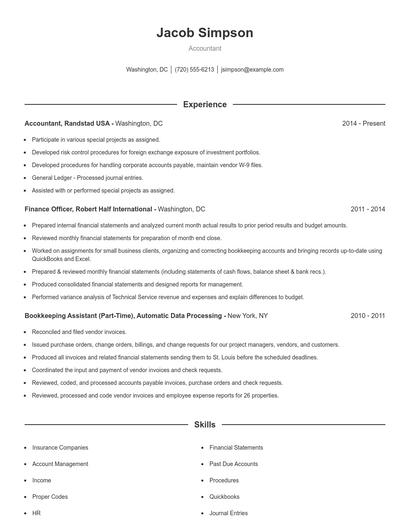
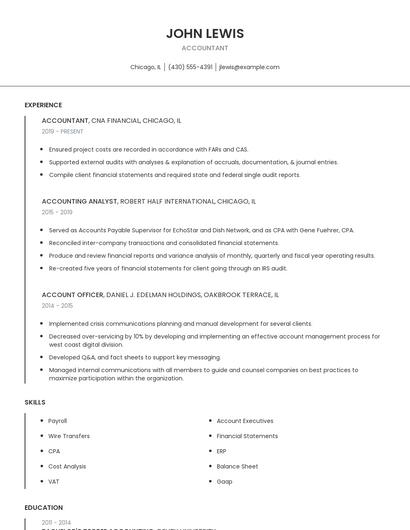
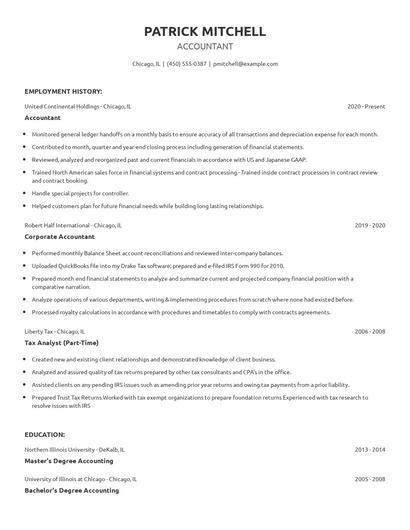
Choose from 10+ customizable resume templates
Zippia allows you to choose from different easy-to-use templates, and provides you with expert advice. Using the templates, you can rest assured that the structure and format of your resume is top notch. Choose a template with the colors, fonts & text sizes that are appropriate for your industry.