Explore jobs
Find specific jobs
Explore careers
Explore professions
Best companies
Explore companies
This question is about what a licensed practical nurse does and licensed practical nurse.
What is the difference between an LPN and an RN?
The difference between an LPN and an RN has to do with the educational credentials needed for each role and the scope of their ability to care for patients.
A licensed practical nurse (LPN) assists a registered nurse (RN) and doctors in carrying out patient care instructions. Since working as an RN is a more hands-on role, it requires more extensive education and training than an LPN.
At a minimum, to become an RN, you need a two-year associate degree in nursing. However, most RNs have a four-year bachelor's degree in nursing. In contrast, a licensed practical nurse (LPN) needs only a vocational or associate's degree in practical nursing. Most programs last between 1 to 2 years.
Since RNs have an expanded set of duties and are more frequently employed in hospital settings relative to LPNs. An RN is more involved in creating a care plan for patients, while an LPN is the one who is there to carry out those instructions.
Both RNs and LPNs must pass a national exam. The NCLEX is offered at both the RN and PN levels. Both LPNs and RNs go through a licensing process that is very similar to registered nurses. There is a screening process and often a finger-print based background check.
A registered nurse or RN averages around $73,300 a year, while a licensed practical nurse or LPN averages around $44,849. The biggest factor in why RNs earn more than Loans is that RNs have a much more hands-on role in patient care than an LPN who essentially assists RNs and doctors.
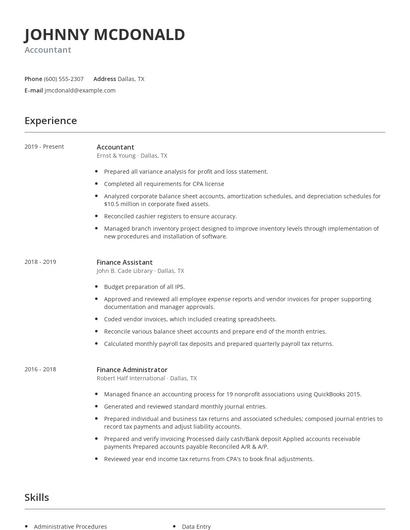
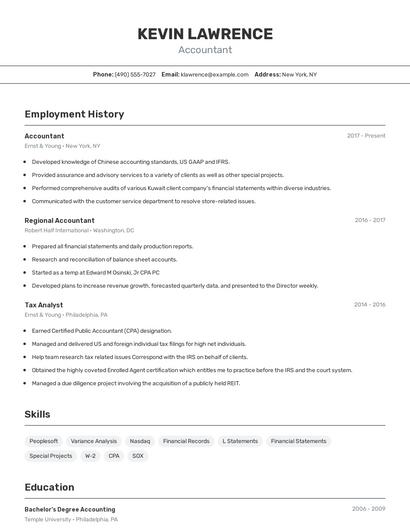
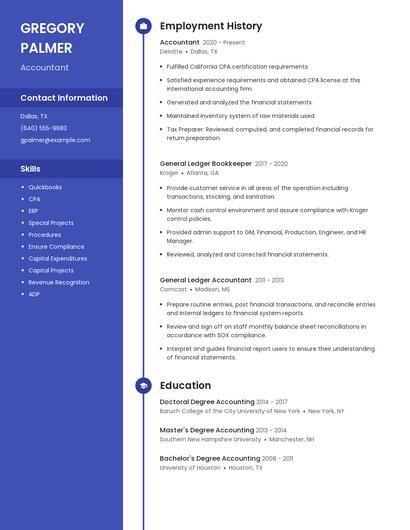
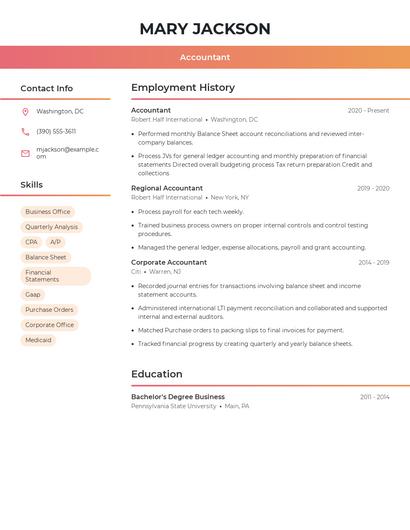
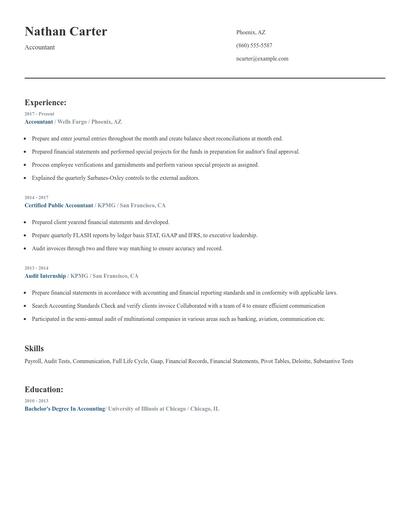
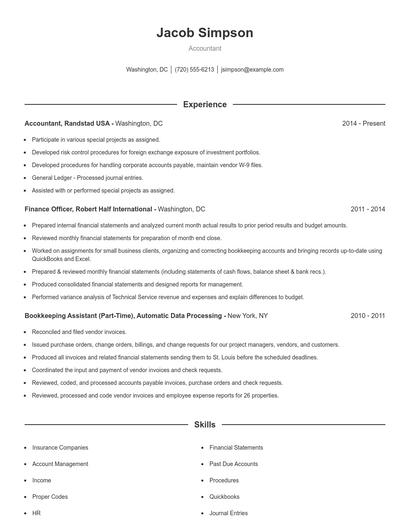
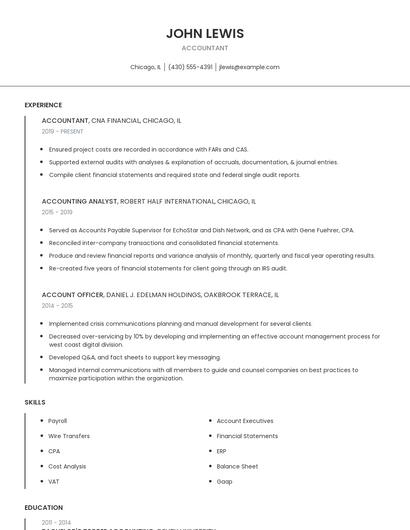
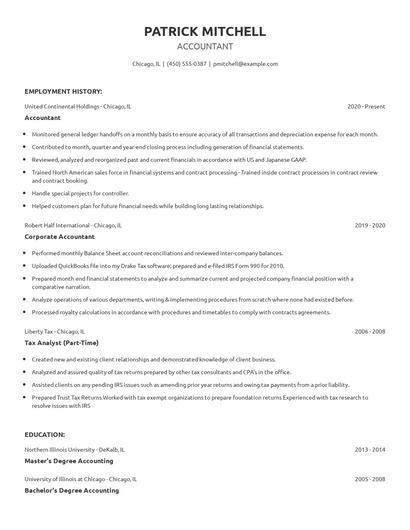
Choose from 10+ customizable resume templates
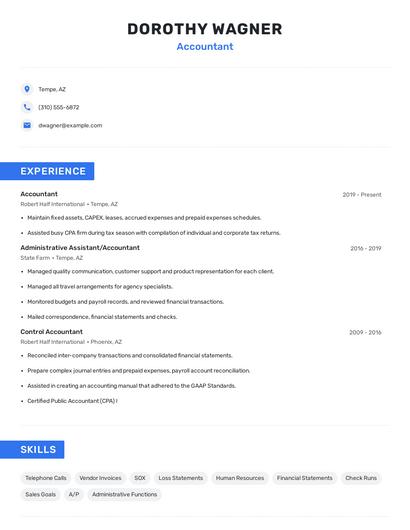
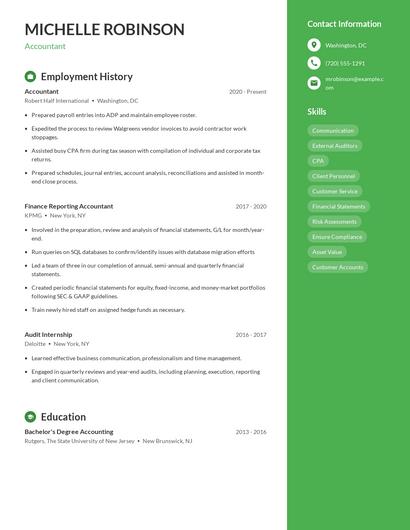
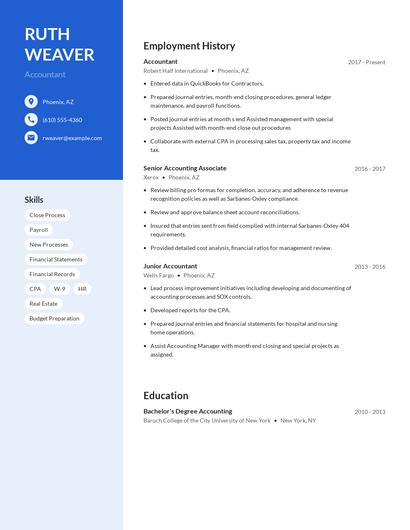
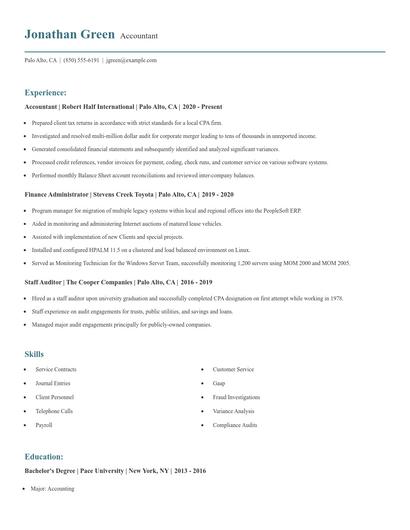
Zippia allows you to choose from different easy-to-use templates, and provides you with expert advice. Using the templates, you can rest assured that the structure and format of your resume is top notch. Choose a template with the colors, fonts & text sizes that are appropriate for your industry.