Explore jobs
Find specific jobs
Explore careers
Explore professions
Best companies
Explore companies
This question is about research and development scientist jobs.
How do you get into R&D?
To get into R&D, you'll need to have a passion for science, a formal education, and hands-on experience. Depending on the industry, many R&D positions require candidates to have a Ph.D., and this is especially true for academic positions. In other cases, a master's degree and internship experience are enough to land an entry-level position in R&D.
There are two main types of R&D positions: those in industry and those in academia. Whatever type of research and development you decide to go into, you'll need at least a master's degree, if not a doctorate degree, depending on the field. For example, a candidate with a master's may have an easier time landing a job in biomedical engineering than in chemistry.
After hitting the books, you'll want to look for opportunities to work in labs and apply for internships. It's important for prospective R&D professionals to learn how to apply their skills in a real-world scenario, as well as build experience for their resume or curriculum vitae (CV).
For candidates with a Ph.D., a doctorate fellowship is a great opportunity to continue gaining research and development experience before applying to your first job.

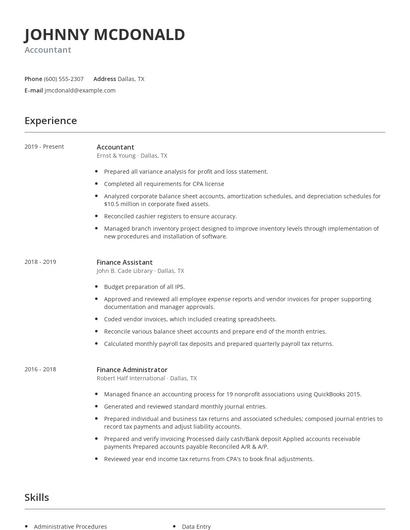
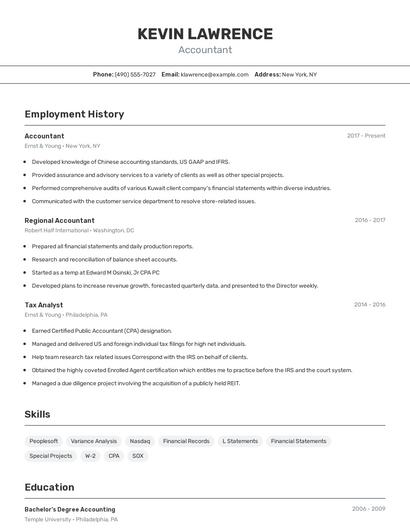
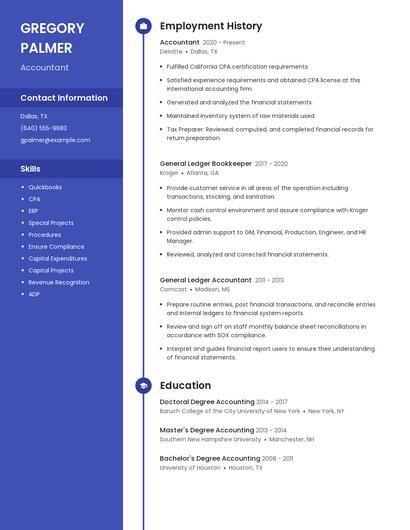
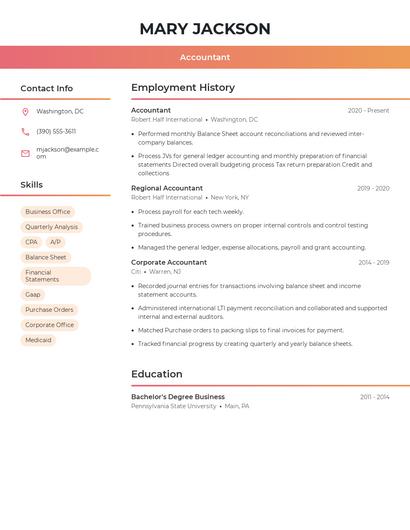
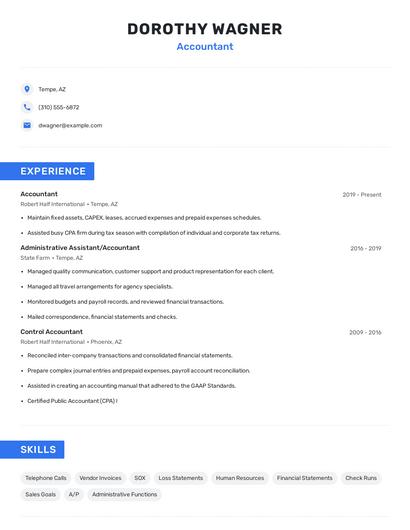
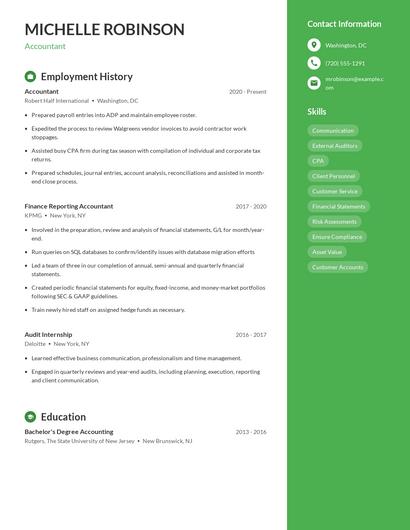
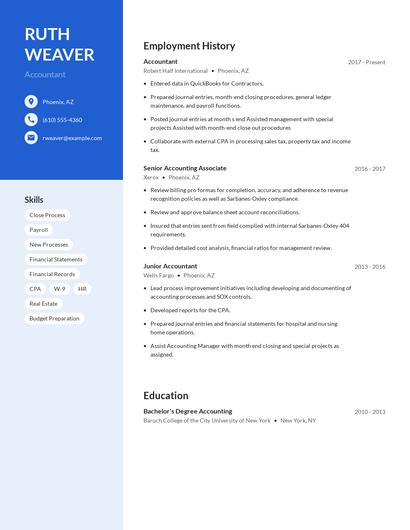
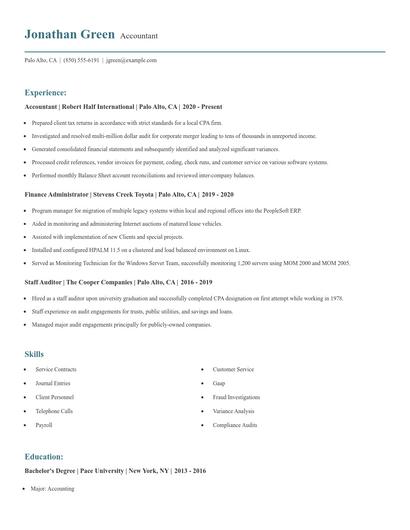
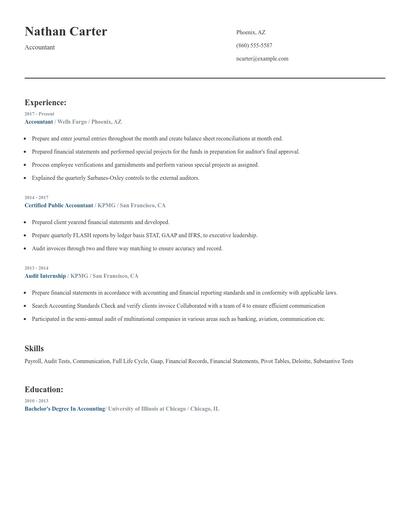
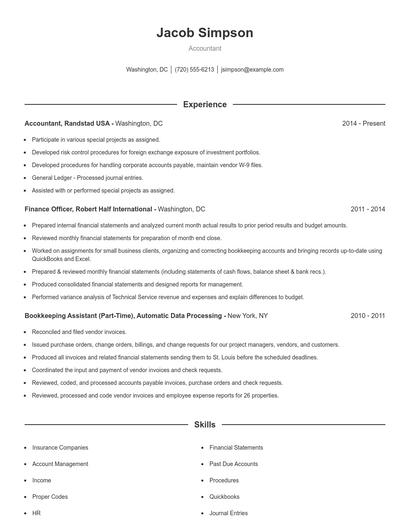
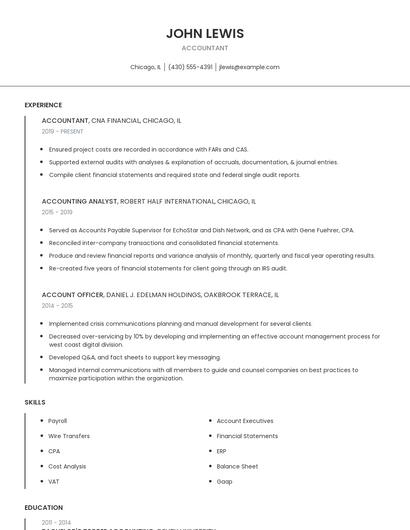
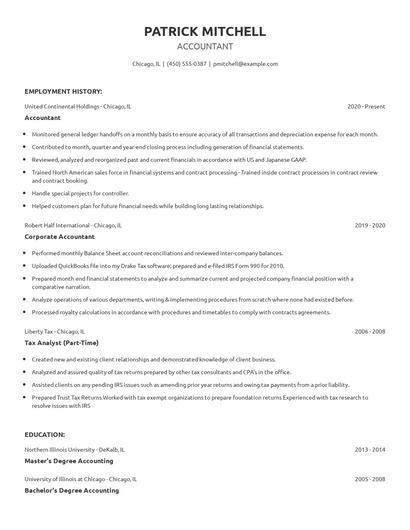
Choose from 10+ customizable resume templates
Zippia allows you to choose from different easy-to-use templates, and provides you with expert advice. Using the templates, you can rest assured that the structure and format of your resume is top notch. Choose a template with the colors, fonts & text sizes that are appropriate for your industry.