Explore jobs
Find specific jobs
Explore careers
Explore professions
Best companies
Explore companies
This question is about music producer education.
How do you learn how to produce music?
You learn how to produce music by downloading software on your computer or laptop. Companies will tell you about all of the advanced and professional studio equipment you need, but the truth is at the bare minimum you can start making music with two things: a computer and editing software.
If you are interested in making rap beats, electronic dance music, or other instrumentals, you can start with a computer and software designed to help you make music. These are called Digital Audio Workstations (DAW). You've probably heard of a few like Pro Tools, Logic Pro, or Ableton Live.
If you're on a Mac computer, then you already have the free Garage Band installed, which is still one of the best DAWs out there. It may also be helpful to have a good set of headphones or speakers (headphones are preferred) to help you better hear the music and beats that you are creating.
DAW software usually comes with stock audio sound fonts, samples, and plugins. Everything you need to get started with producing music will be included to start creating your beats. If you want to add additional sounds like guitars, ukuleles, or keyboards, or you would like to record vocals, you will want to invest in a good microphone.
Most webcams have microphones built into them, and all you need to do is set the input source in the DAW to the webcam mic. You will be able to record any audio that you want. This should be more than enough to start producing music and recording full demos.
When learning to produce music, you want to start with writing your first song. This will take time and practice; not everyone is a superstar at first. Experiment with the software and explore the plugins and sounds. DAWs have a learning curve and you will simply learn by doing.
You should also study music theory. Without understanding the basics of music theory, it will be difficult to write chord progressions and create music that sounds like music and not just a random string of noise. Studying music theory will help you to create melodies, bass lines, and basic song structure.
Learn how musical keys and chords work and then how to extract melodies and bass lines out of the chords that you use. You can also learn about orchestration and arrangement. Orchestration is knowing which instruments complement each other and how they can come together to form a band.
Each instrument will play a specific role in the band and they will all be on a different frequency spectrum. This means that you will need to choose instruments and frequencies that will not clash with each other sonically. Instruments that clash will play different roles (i.e., lead guitar vs. rhythm guitar).
Arrangement refers to knowing when the different instruments in your orchestration should play (or not play). It is important to know when to drop an instrument out and when to bring it back in. This can help to add excitement or drama to your music and bring songs to life. People are drawn to music that evokes emotion.
Finally, it is important to study mixing and mastering. Mixing is especially important if you want your final song to sound decent. This knowledge can make or break a music producer. Mixing is the art of balancing the variance of volume levels, the positioning of the stereo field, and the clarity of each instrument.
The idea is to take your final song and polish the presentation so it is more listenable and more closely resembles what you would hear on the radio or professional albums.
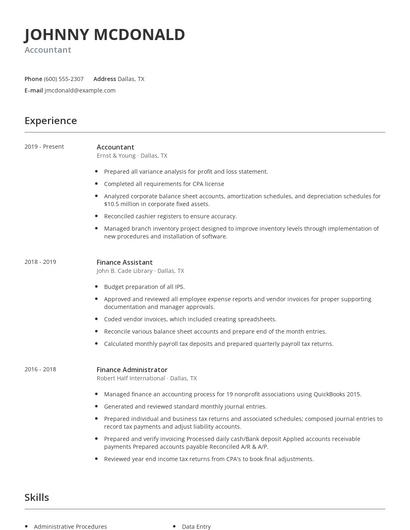
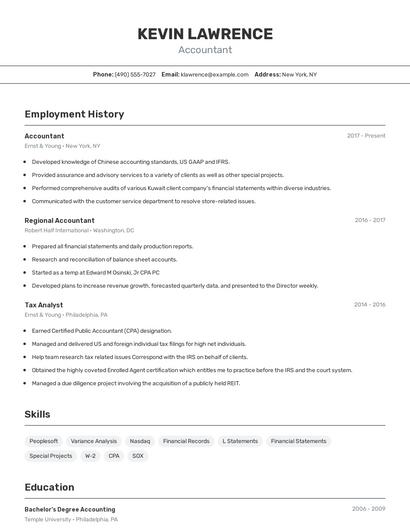
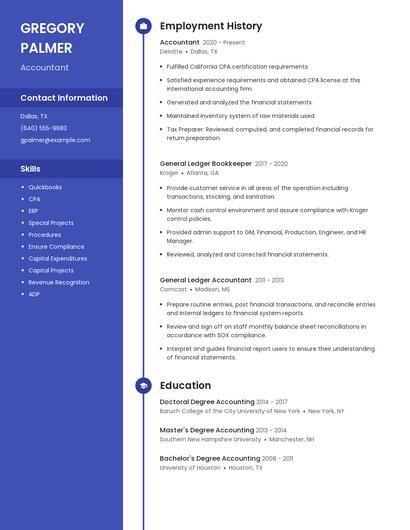
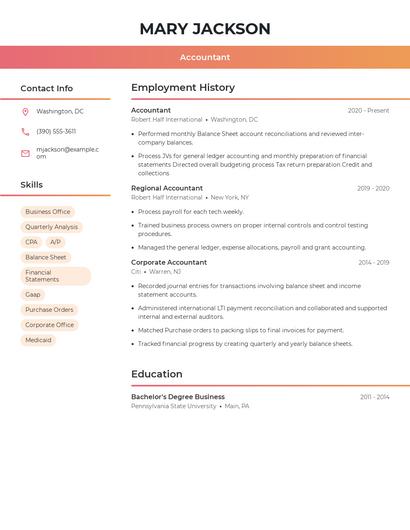
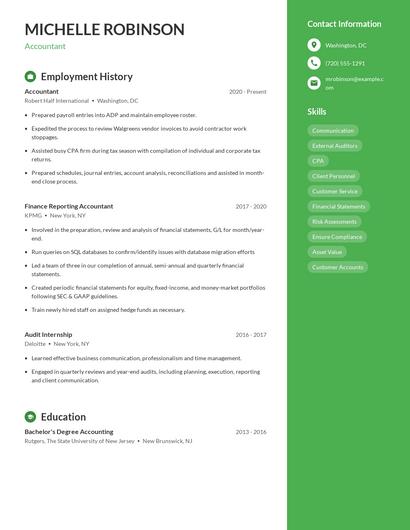
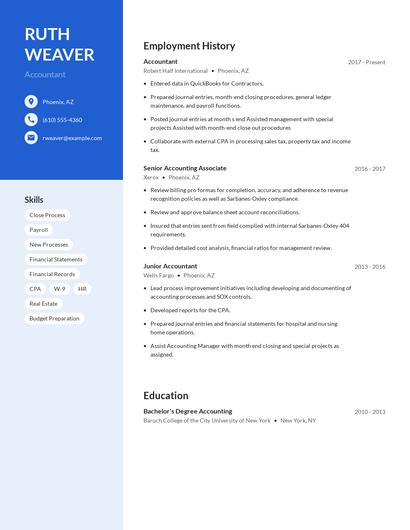
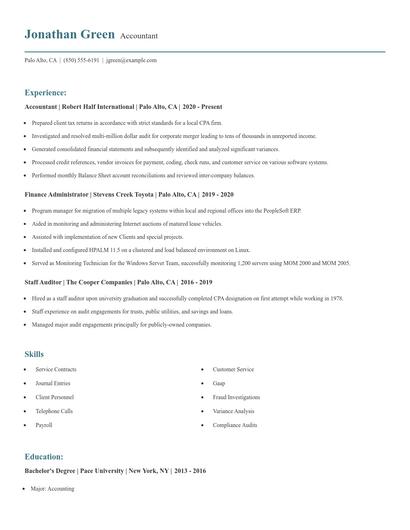
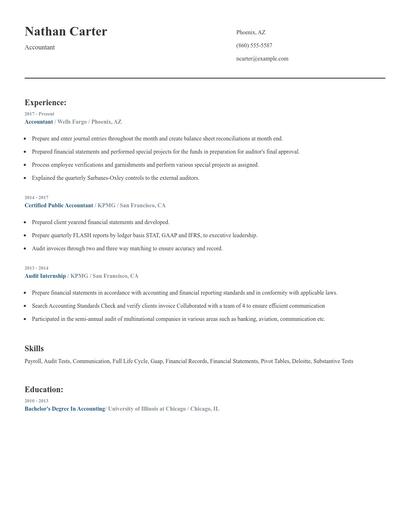
Choose from 10+ customizable resume templates
Zippia allows you to choose from different easy-to-use templates, and provides you with expert advice. Using the templates, you can rest assured that the structure and format of your resume is top notch. Choose a template with the colors, fonts & text sizes that are appropriate for your industry.