Explore jobs
Find specific jobs
Explore careers
Explore professions
Best companies
Explore companies
This question is about meat processor.
How do you start a meat processing business?
You start a meat processing business by creating a business plan and registering and insuring your business. To secure funding, you will need to have a comprehensive business plan that answers the following questions:
Is this a solid business idea?
Is there a sufficient market for this product or service?
Are the financial projections realistic, and do they fit the funder's typical loan expectations?
Is key management experienced and capable?
What competition exists?
Does the plan clearly describe how funders will get their money back?
You will also need to decide how you plan to fund your business. Building and operating a meat processing facility can be very expensive. Operating costs are also quite high, and profit margins tend to be low. The average building costs are around $350/square foot and another $50/square foot for equipment.
That places a modest 5,000 sq. ft. facility at a price tag of around $2,000,000. You will likely need to raise capital for the build-out beyond what you can bring to the table. Consider agricultural lenders, private investments, USDA Agricultural Marketing Service grants, USDA Rural Development loans, or other federal grant opportunities.
Building a meat plant is no easy job. Even commercial contractors may not be familiar with building a food processing plant that needs to be constantly washed down, contains rooms held at -20degF, and has 1,000+ lb. carcasses hanging from rails throughout the plant.
In meat processing, there are two kinds of waste streams-solid and liquid. Much of it can be captured and sold or utilized for other purposes. It will benefit you to plan carefully to avoid as much waste as possible.
Solid waste (like hides, bones, trim, and offal) can be made into other valuable products by the processor or sold or sent for a fee to compost or fertilizer companies, rendering companies, or sent to the landfill. Liquid waste includes blood and wastewater, and disposal is a little more complicated.
Blood should be captured separately from the wastewater and sent to the renderer or landfill. It can also be field applied in some locations. The design, permitting, and installation (as well as cost) of your wastewater treatment will be one of your most important challenges and could make or break a project.
Animal slaughter, processing, and selling of meat are highly regulated in the United States. At the most basic level, regulations include custom-exempt, state-inspected, or federally inspected. These considerations will also need to be considered when building your business plan.
Next, you must register, license, and insure your business. Registering your business means deciding if you will operate as a sole proprietor, partnership, or limited liability corporation (LLC).
The primary advantage of an LLC is that it reduces your personal financial risk. A sole proprietorship is simple to set up, as is a partnership if you're going into business with other people. However, both of those structures leave you exposed to any financial liability that might come up from operating your business.
Once you have decided how you will operate, it is time to choose a business name. You want something unique and easily identifiable related to the industry or business. Once you have a short list of names, you can go to www.uspto.gov to see if they are available.
You will also be required to get the appropriate insurance for your business. At a minimum, you will need to have general liability insurance. This coverage protects you if something happens during operating your business.
While not required, it is recommended that you also have the following insurance policies:
Worker's Compensation: This covers employee medical costs and a percentage of their lost wages if they are hurt on the job.
Professional Liability: This helps to pay for work oversights that can result in a financial loss. For example, if someone says you didn't deliver the services you said you would provide, they can ask you to pay for any losses. Professional liability can help cover the costs of defending your business or fixing the problem.
Equipment Breakdown Coverage: This can help protect your business against losses from equipment breaking down. This can include anything from machinery to computers.
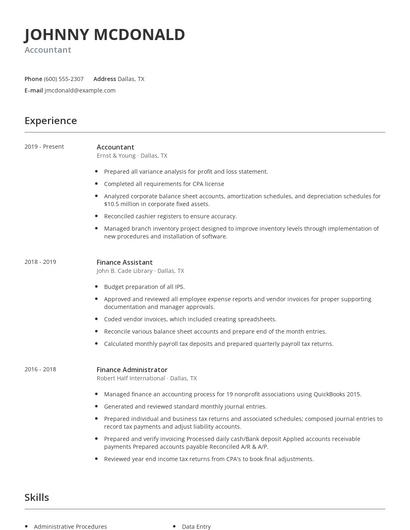
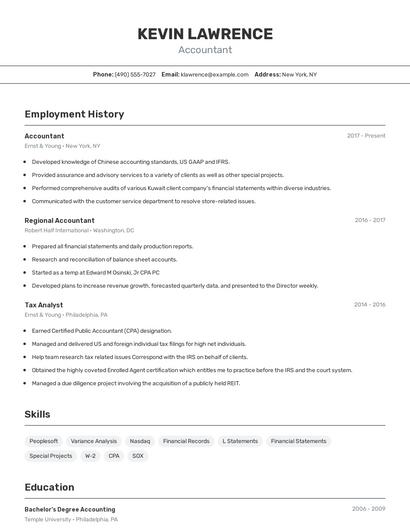
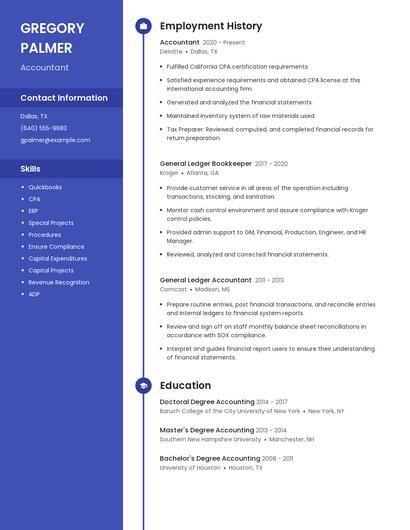
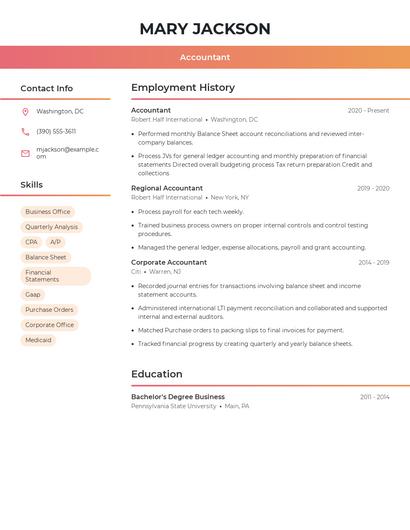
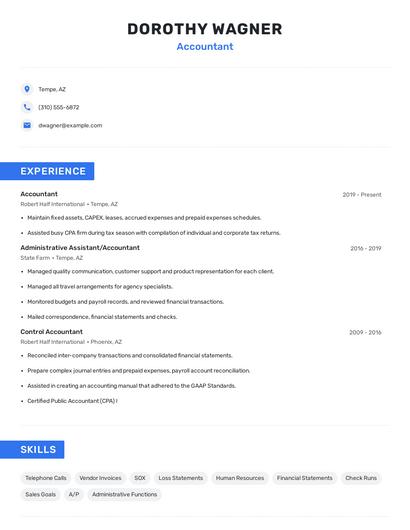
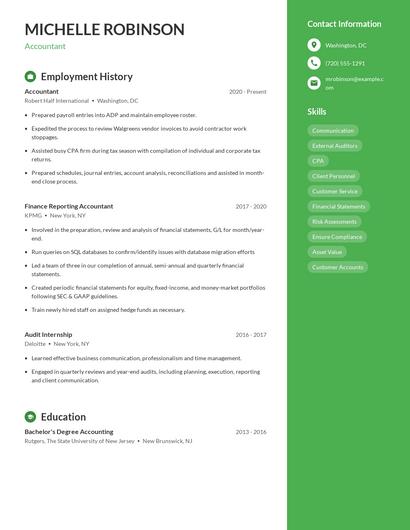
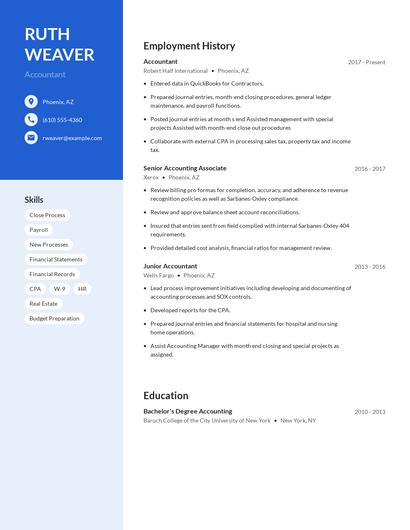
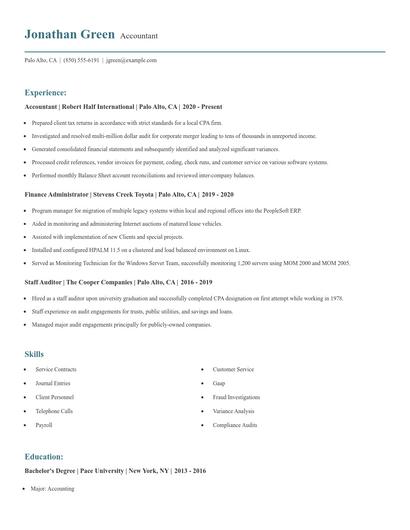
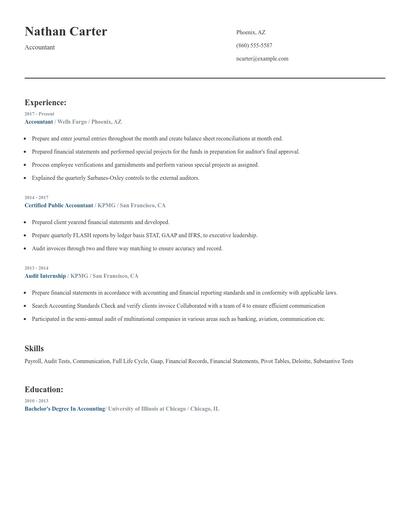
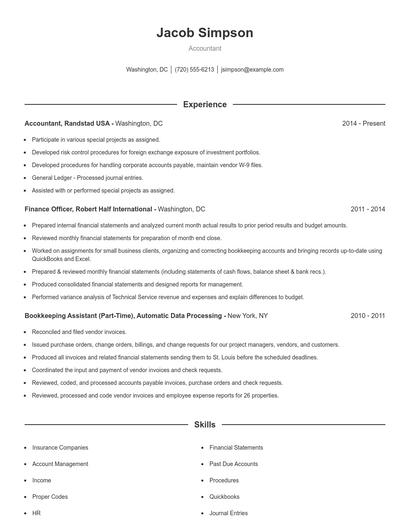
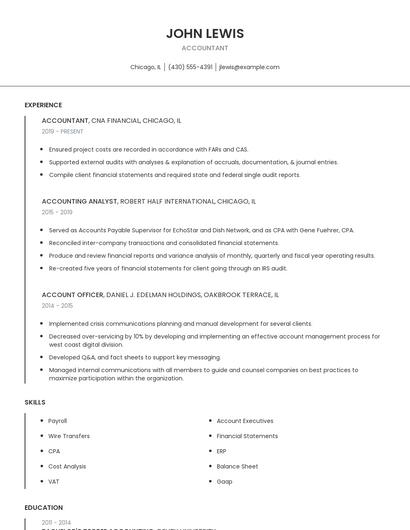
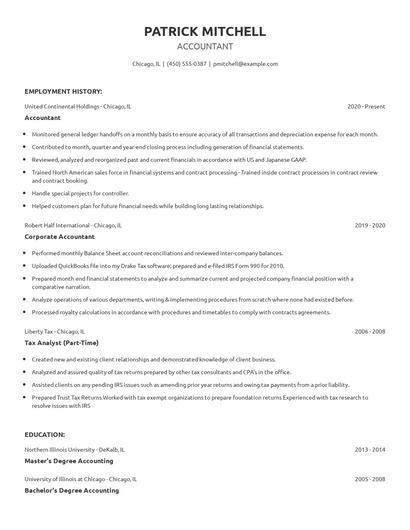
Choose from 10+ customizable resume templates
Zippia allows you to choose from different easy-to-use templates, and provides you with expert advice. Using the templates, you can rest assured that the structure and format of your resume is top notch. Choose a template with the colors, fonts & text sizes that are appropriate for your industry.