Explore jobs
Find specific jobs
Explore careers
Explore professions
Best companies
Explore companies
This question is about entrepreneur.
How do you start a photo booth business?
You start a photo booth business by choosing a business structure, determining your costs and financials, and registering as a business entity. When determining your business structure, it is important to consider the following:
What type of booth will you have (iPad, DSLR)?
What will you do if the equipment breaks down?
What are your ideal customers (e.g., weddings, birthdays, corporate events)?
Are you willing to work odd hours and long days?
What (and how) will your charge (e.g., per hour, per shot, per photo package)?
In choosing your business structure, you must also determine what equipment you need. For example:
A booth
Camera or tablet
Lighting
Computer and photo booth software
Green screen
Printer with paper and ink (unless you want to outsource your printing needs)
Contact management software
Once you have determined your business structure, you must evaluate your costs and financials. The first thing to determine is how much it will cost to start your business. Typically, if you have to buy all of the equipment, it will cost between $5,000 and $10,000.
One-time expenses include the photo booth, camera, monitor, props, and printer. You may lower costs by waiting on some things until your business is bringing in money. For instance, you may not need multiple booths or backup camera equipment to get started.
Ongoing expenses can be things like:
Salaries
Data storage
Taxes
Materials (paper, ink, etc.)
Gas (for traveling to events)
Remember that you will have variable and fixed expenses with a photo booth business. For example, your expenses for salaries will vary depending on how many events you do and how many employees you need to hire to provide the services for these events.
Once you know the expenses, you will need to determine your funding. Starting a photo booth business requires relatively low funds compared to many other businesses. To that end, you can fund your business by:
Opening a business credit card
Government assistance
Bank loan
Investments from friends and family
Whatever route you decide to go down, you must ensure you can pay back any borrowed money while still making a profit.
Once you have your business plan ready and understand your resources and financial obligations, you can register your business. Registering your business means deciding if you will operate as a sole proprietor, partnership, or limited liability corporation (LLC).
The primary advantage of an LLC is that it reduces your personal financial risk. A sole proprietorship is simple to set up, as is a partnership if you're going into business with other people. However, both of those structures leave you exposed to any financial liability that might come up from operating your business.
Once you have decided how you will operate, it is time to choose a business name. You want something unique and easily identifiable related to the industry or business. Once you have a short list of names, you can go to www.uspto.gov to see if they are available.
Professional Liability: This helps to pay for work oversights that can result in a financial loss. For example, if someone says you didn't deliver the services you said you would provide, they can ask you to pay for any losses. Professional liability can help cover the costs of defending your business or fixing the problem.
Intellectual Property Protection: This protects your investments, patents, and company name.
You will also likely need to obtain permits and licenses before operating. These will vary based on location, so it is a good idea to reference your state's licensing and permitting requirements. Keep in mind that there may be additional city or county requirements.
If you are operating a storefront, at a minimum, you will likely need to obtain a Certificate of Occupancy (CO). This confirms that all building codes, zoning laws, and government regulations have been met. If you rent or lease the property, the landlord will be responsible for obtaining and providing the CO.
Once your business is registered and your permits are in place, you can get down to business and start serving your customers.

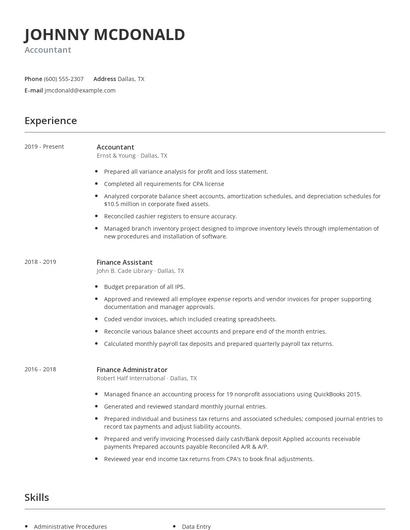
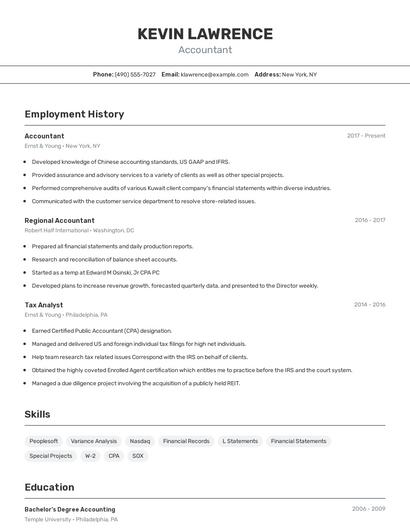
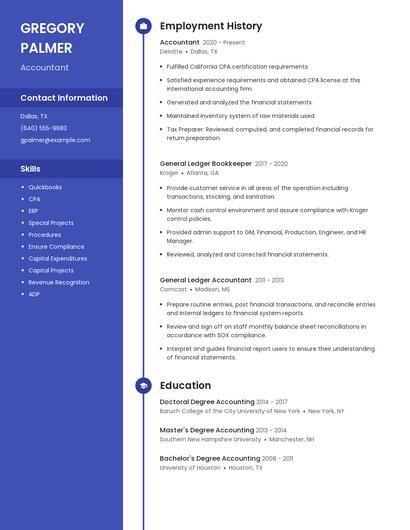
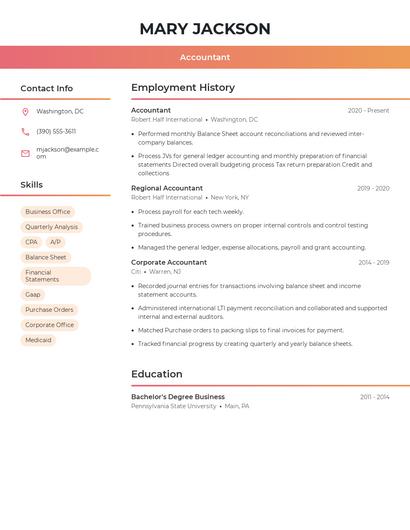
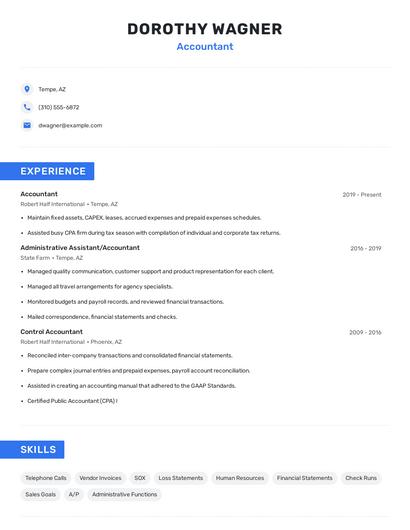
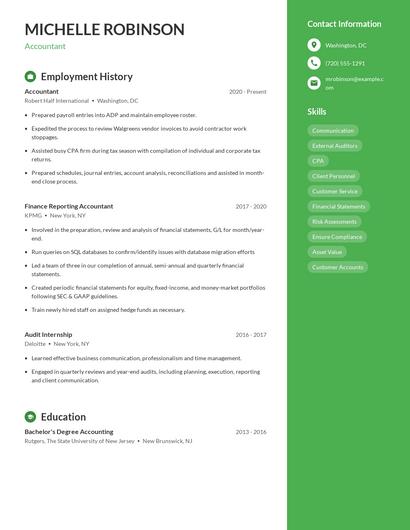
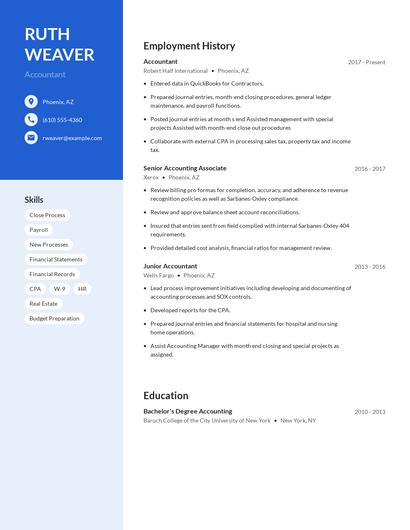
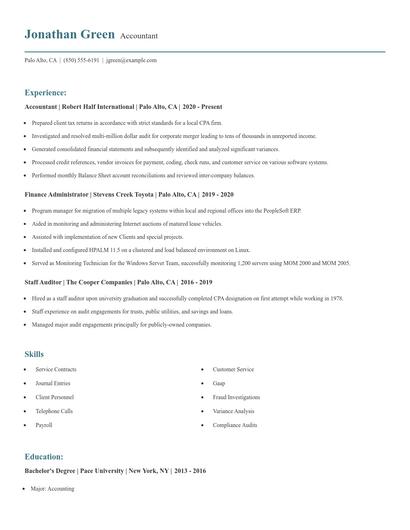
Choose from 10+ customizable resume templates
Zippia allows you to choose from different easy-to-use templates, and provides you with expert advice. Using the templates, you can rest assured that the structure and format of your resume is top notch. Choose a template with the colors, fonts & text sizes that are appropriate for your industry.