Explore jobs
Find specific jobs
Explore careers
Explore professions
Best companies
Explore companies
This question is about nurse practitioner.
How do you start an IV hydration business?
You start an IV hydration business by creating a business plan, determining the services you will offer, and registering your business as a legal entity.
Before you can create your business plan, there are a few things that you should take into consideration, including the fact that you (or your employees) will need to be trained professionals to administer the IV drips. You will want to look into who your competitors are in the region and how established they are.
Are they large corporations or small businesses? Is there a high demand for an IV hydration business in the area? Remember that the price points can be relatively high and limit your customer base.
With a business like IV hydration, you want to be sure that you are setting yourself up for success, and this means being backed by a well-researched strategy rather than choosing a location based on convenience. After you have learned about the industry, it is important to develop a business plan.
It is important to take into consideration the following:
What are your startup costs?
What are your ongoing costs?
What is your target market?
How much can you (and will you) charge your customers?
What will you name your business?
You will also need to consider how you plan to run your business. IV hydration can be done using a brick-and-mortar storefront or as a mobile unit. You can cut office expenses when you offer services as a mobile unit, but a storefront may make your business appear more legitimate and professional.
The next step is to determine what services you will provide to your clients. Some of the most popular IV treatment types include:
Athletic performance recovery
Migraines and hangovers
Cold and flu side effects
Immune system boost
Dehydration
Revive energy
Pregnancy side effects
Next, you must register, license, and insure your business. Registering your business means deciding if you will operate as a sole proprietor, partnership, or limited liability corporation (LLC).
The primary advantage of an LLC is that it reduces your personal financial risk. A sole proprietorship is simple to set up, as is a partnership if you're going into business with other people. However, both of those structures leave you exposed to any financial liability that might come up from operating your business.
Once you have decided how you will operate, it is time to choose a business name. You want something unique and easily identifiable related to the industry or business. Once you have a short list of names, you can go to www.uspto.gov to see if they are available.
Once you have registered your business, you will need to obtain the appropriate licenses and permits. The requirements will vary by location, but there will typically be federal, state, and local requirements. You may also need to obtain licenses or permits from the Occupational Safety and Health Administration (OSHA).
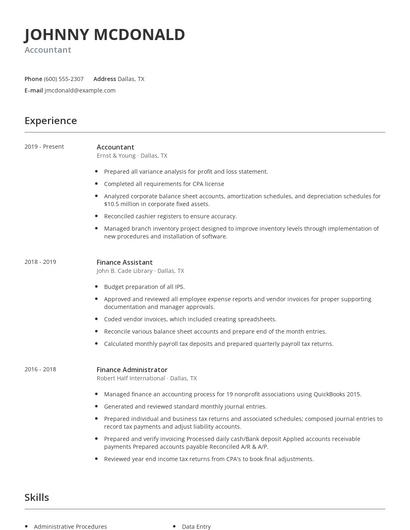
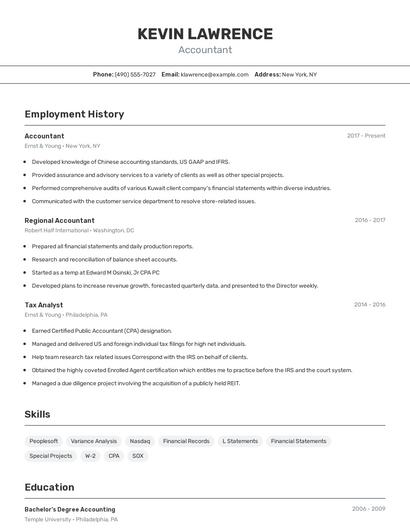
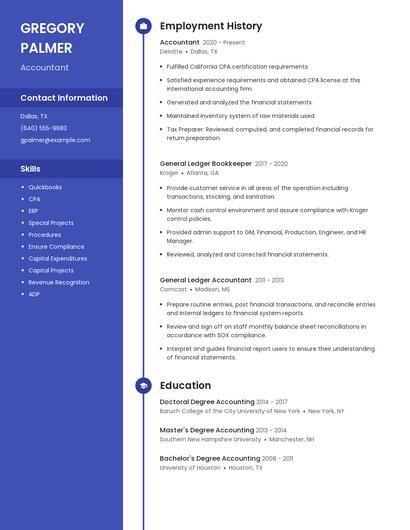
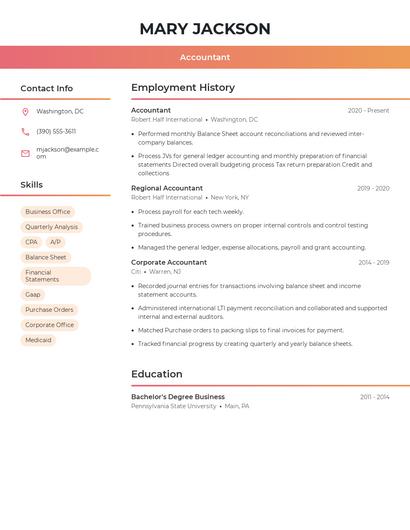
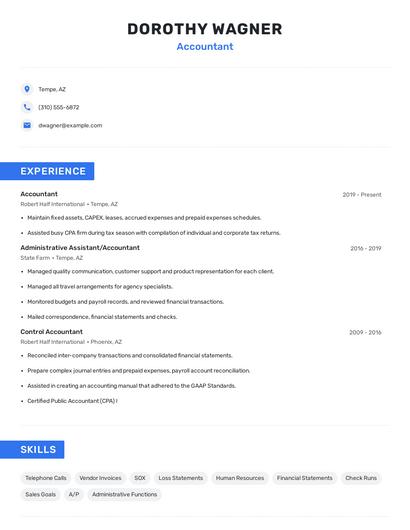
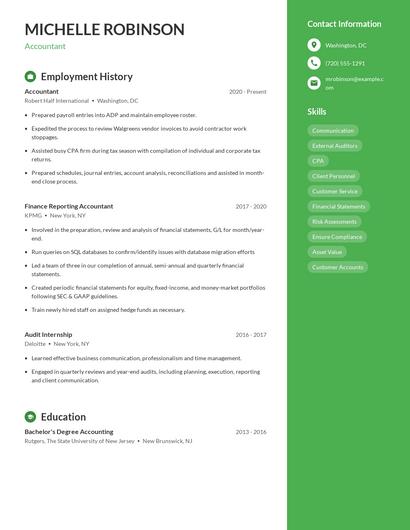
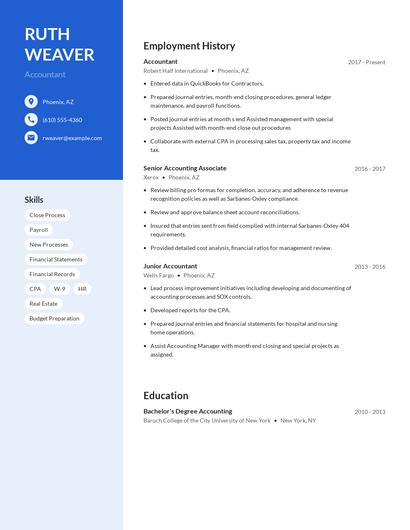
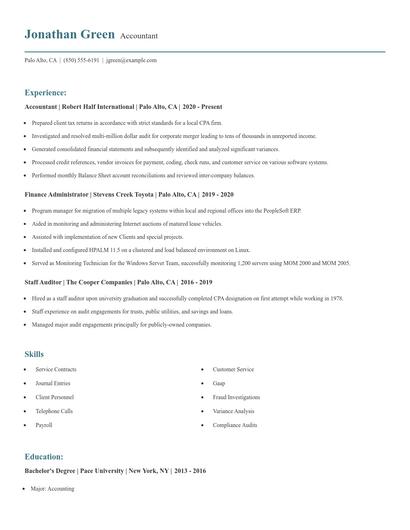
Choose from 10+ customizable resume templates
Zippia allows you to choose from different easy-to-use templates, and provides you with expert advice. Using the templates, you can rest assured that the structure and format of your resume is top notch. Choose a template with the colors, fonts & text sizes that are appropriate for your industry.