Explore jobs
Find specific jobs
Explore careers
Explore professions
Best companies
Explore companies
This question is about what a dermatologist does.
How hard is it to become a dermatologist?
It is very difficult to become a dermatologist. Dermatology is one of the most competitive medical specialties to match into. It is one of the top five specialties for physician happiness and compensation. It also offers a great variety to patients of all ages seeking medical, surgical, and cosmetic treatments.
The educational requirements for becoming a dermatologist are quite rigorous. First, you must obtain your undergraduate degree in an area such as:
Mathematics
Physics
Chemistry
Biology
Organic chemistry
Anatomy
To be competitive, medical admissions specialists suggest earning a minimum of a B or higher in all classes. In addition to good grades, you will need to have other experiences such as volunteering, leadership roles, research, or shadowing.
Up next is the Medical College Admissions Test (MCAT). This is required for admittance into a medical school in the United States. The MCA is an 8-hour, computer-based examination and scoring well on this test is an essential component of being considered for admission to medical school.
After undergraduate requirements are met, students will need to apply and be accepted to medical school. Most medical schools use computer-based algorithms to screen applicants, so it is vital to have good scores to even be considered for admission.
Medical school is broken down into two distinct parts. The first two years are focused on classwork and the basic sciences of medicine. The second two years are spent in teaching hospitals where students are familiarized with clinical skills and procedures.
During medical school, all students must pass two national board exams. For Allopathy students, these are the USMLE Step 1 and Step 2. For DO students, these are called the COMLEX tests. During their final year, students submit applications and interviews for various residency programs.
After finishing medical school, prospects will need to complete one year preliminary or transitional year. This is called the "intern year." After that, there will be an additional three years of dermatology residency required. There are some combined programs available, but the 1 + 3 model is more typical.
Although board certification is not technically required for dermatology, it is a desirable credential that demonstrates knowledge and exceptional expertise. Almost all hospitals, clinics, and educational institutions will call for board certification for employment.

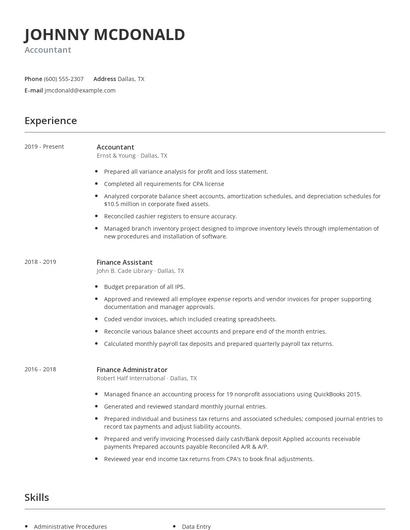
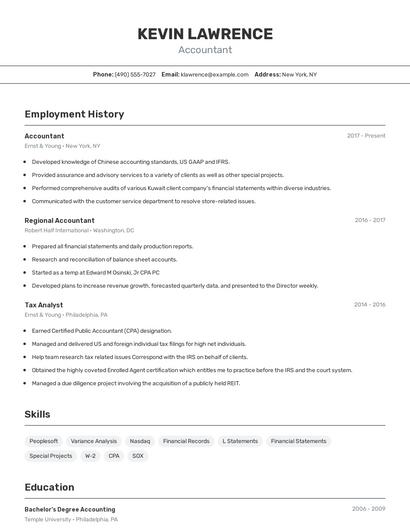
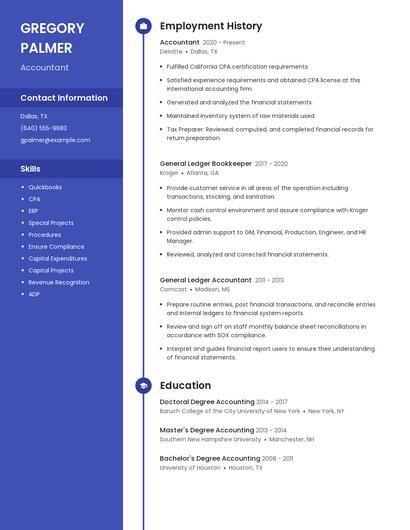
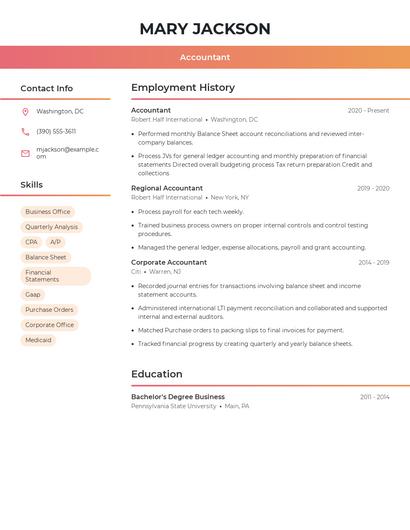
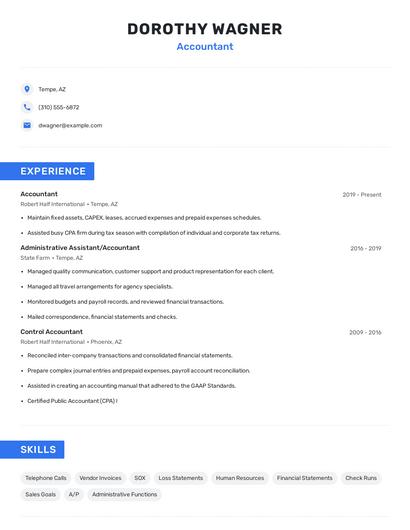
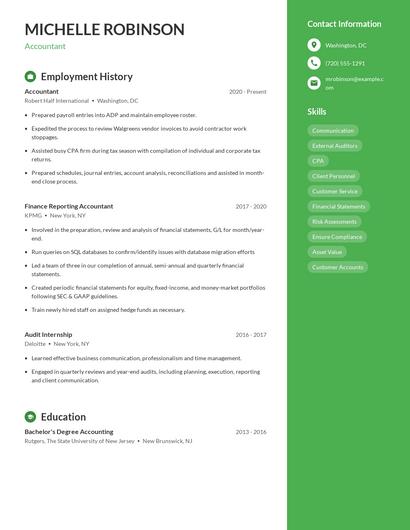
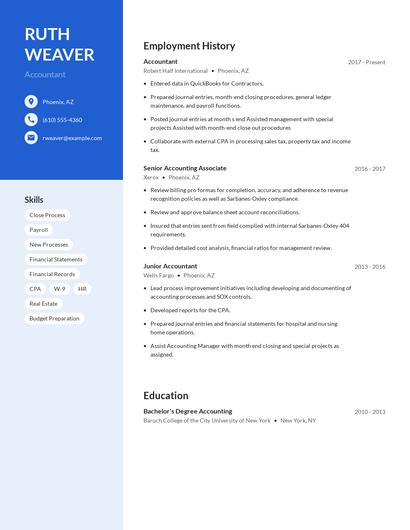
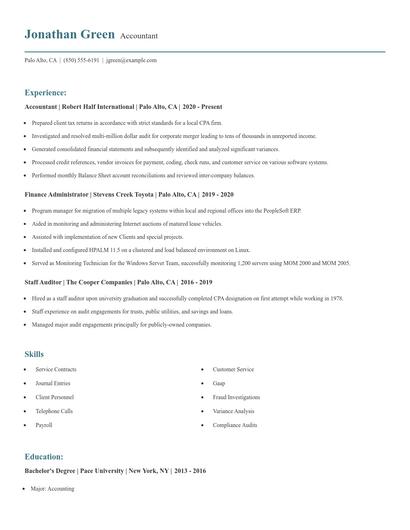
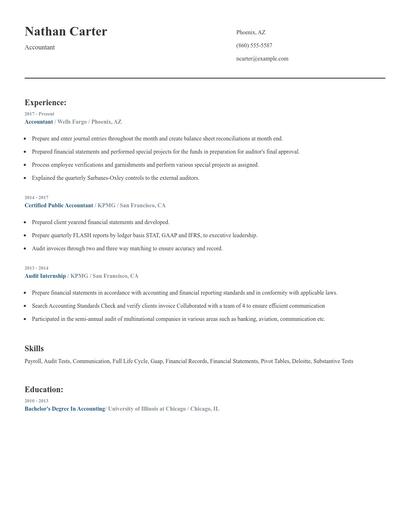
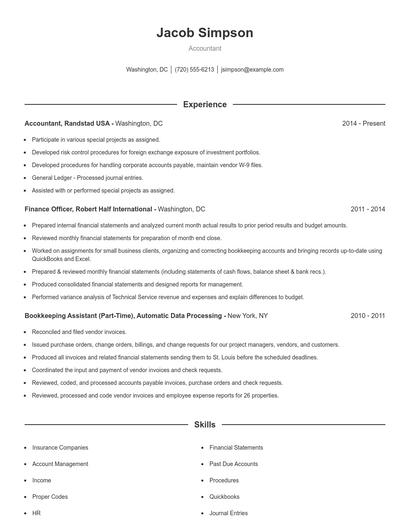
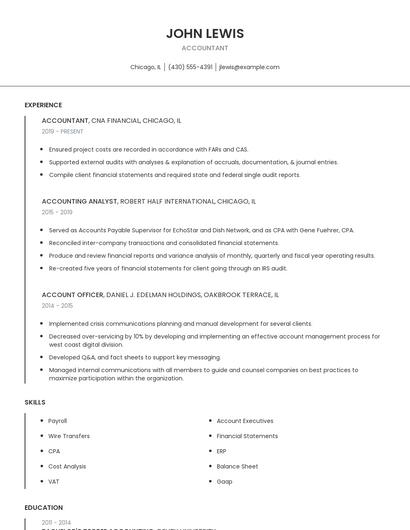
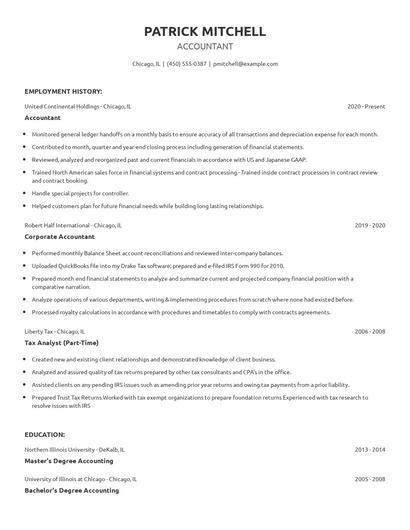
Choose from 10+ customizable resume templates
Zippia allows you to choose from different easy-to-use templates, and provides you with expert advice. Using the templates, you can rest assured that the structure and format of your resume is top notch. Choose a template with the colors, fonts & text sizes that are appropriate for your industry.