Explore jobs
Find specific jobs
Explore careers
Explore professions
Best companies
Explore companies
This question is about geologist.
How many years does it take to become a geologist?
It takes three to five years of field experience to become a geologist. To become a geologist, a person needs their bachelor's degree, field experience, and a license depending on the state they work in.
All entry-level geology-related occupations require a bachelor's degree in geoscience courses. Universities and colleges offer a bachelor's degree in geology that aspiring geologists can enroll in as their major field of study. The degree program typically takes four years to study, depending on the students' progression in their courses.
Upon graduating, a person should seek entry-level roles in geology-related occupations. These might include working as an environmental scientist, geology associate, associate geologist, or project level geologist. These roles will help a person gain the necessary field experience to progress as a geologist.
Finally, many geologists do not need a license or certification to work in their industry. However, 31 states require licensure examinations for geologists working in the public service industry, including engineering projects, environmental conservation, and regulatory compliance jobs.
Geologists can be licensed by taking the Fundamentals of Geology Exam (FGE) offered by the National Association of State Boards of Geology (ASBOG).

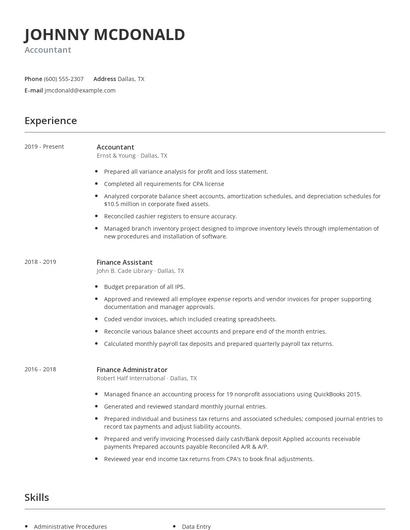
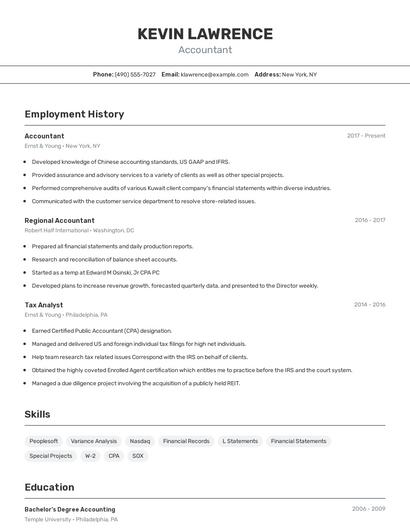
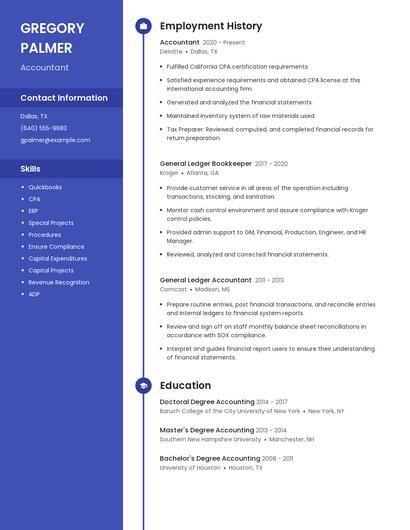
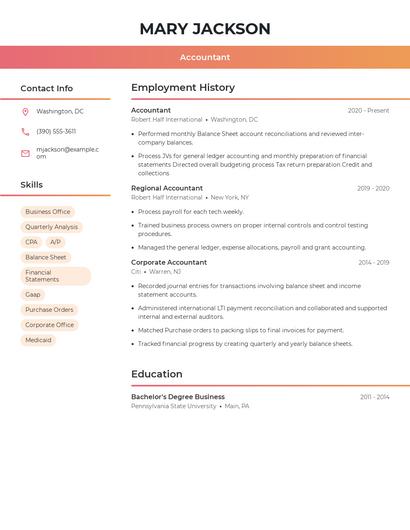
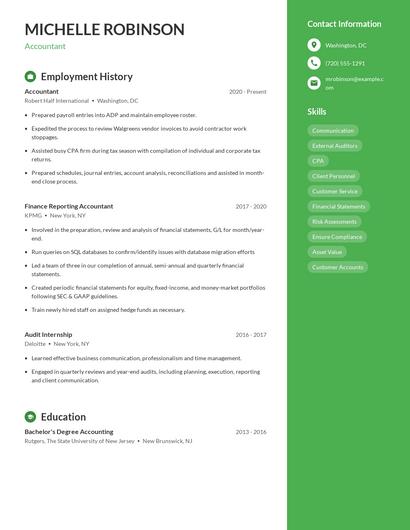
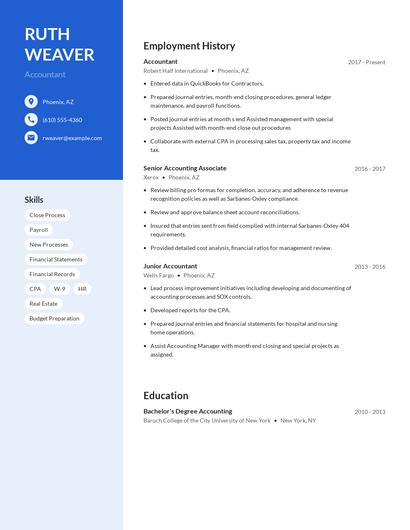
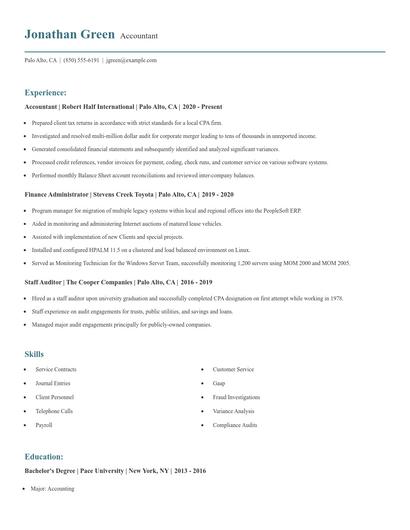
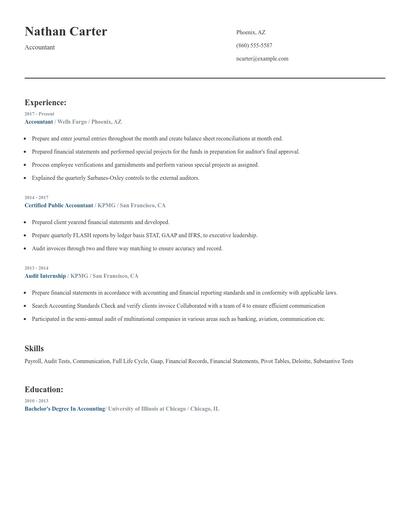
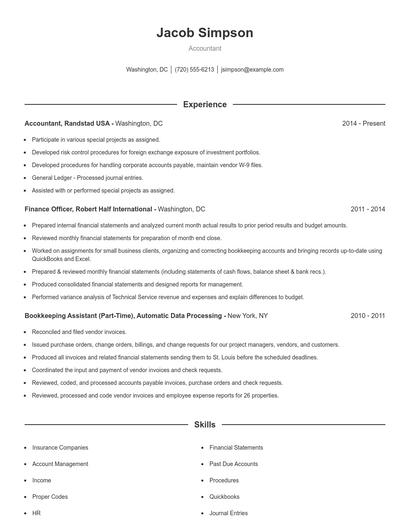
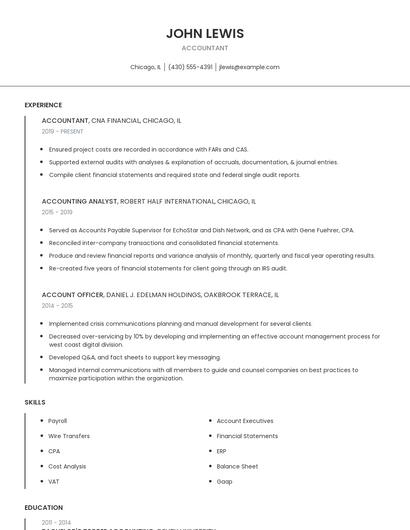
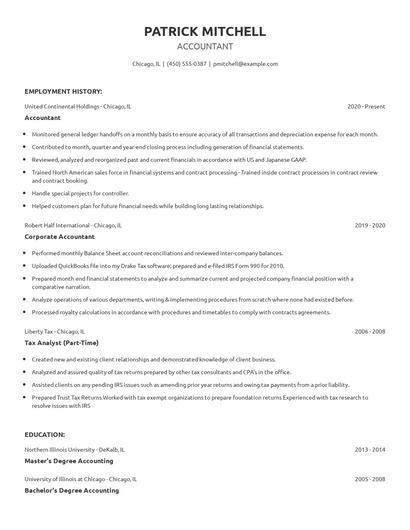
Choose from 10+ customizable resume templates
Zippia allows you to choose from different easy-to-use templates, and provides you with expert advice. Using the templates, you can rest assured that the structure and format of your resume is top notch. Choose a template with the colors, fonts & text sizes that are appropriate for your industry.