Explore jobs
Find specific jobs
Explore careers
Explore professions
Best companies
Explore companies
This question is about geotechnical engineer.
How many years does it take to become a geotechnical engineer?
It takes four years to become a geotechnical engineer. That is the time that it takes to earn a bachelor's degree in engineering. A geotechnical engineer is a type of civil engineer with a primary focus on the topography of the land and the attributes of rocks and soils in the building process.
Due to the extra focus involved in geotechnical engineering, it's not a bad idea to consider a master's degree as well.
The most common path towards becoming a geotechnical engineer is to earn a bachelor's degree in civil engineering or a closely related field from an Accreditation Board for Engineering and Technology (ABET) accredited program.
A five to six-year master's degree in geotechnical engineering is something else to consider. Geotechnical engineers with master's degrees tend to earn 20% more than those with just a bachelor's degree.
In addition, It can help progress you faster towards a senior geotechnical engineer role. There is a Diplomate, Geotechnical Engineering (D.GE) certification from the Academy of Geo-Professionals.
Regardless of one's education path, becoming a geotechnical engineer also requires hands-on experience to understand geotechnical materials' characteristics and behaviors. This is why internships also play an important role in helping to gain that industry experience. Many employers, in fact, require one to two years of experience.

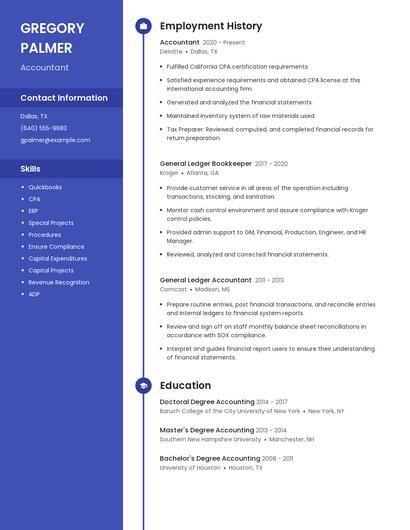
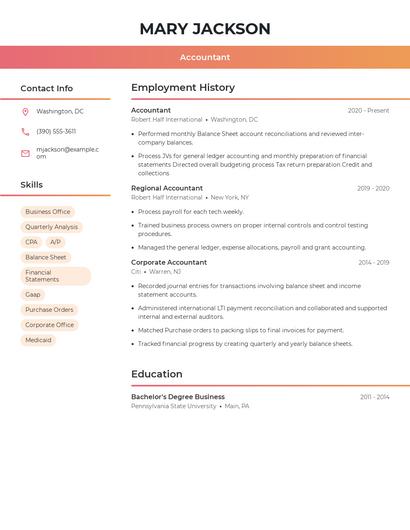
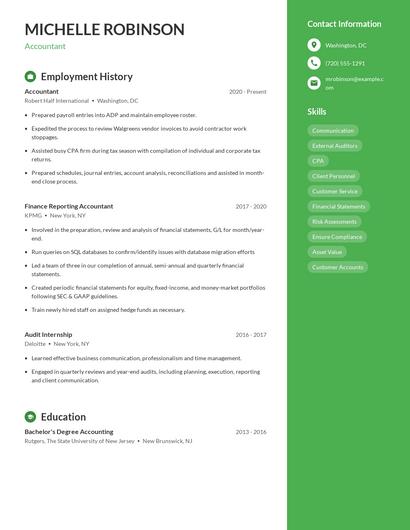
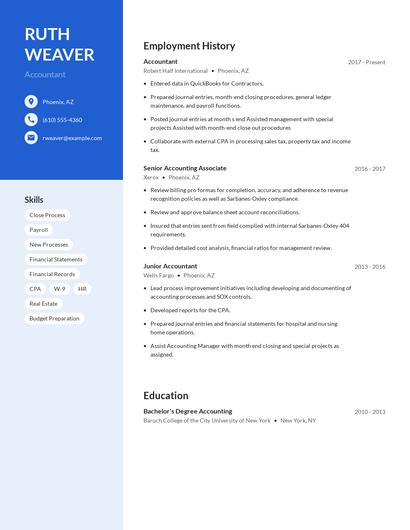
Choose from 10+ customizable resume templates
Zippia allows you to choose from different easy-to-use templates, and provides you with expert advice. Using the templates, you can rest assured that the structure and format of your resume is top notch. Choose a template with the colors, fonts & text sizes that are appropriate for your industry.