Explore jobs
Find specific jobs
Explore careers
Explore professions
Best companies
Explore companies
This question is about hospital volunteer.
How to get a job in a hospital
You get a job in a hospital by graduating high school, attending a vocational or technical school, and growing your professional network. While many hospital entry-level positions do not require certifications or college degrees, most require at least a high school diploma or GED.
While a certificate or degree is not always required for an entry-level position, the healthcare industry is competitive, and having these can help you stand out from the competition. Here are some potential hospital positions that require little to no experience:
Environmental services technician: these positions keep the hospital clean and safe by performing janitorial tasks like mopping and disposing of waste. These positions do not require additional certification or degrees.
Food service worker: these positions prepare and deliver food trays to the patients and work in the hospital cafeteria. These positions do not typically require additional certification or degrees.
Certified nursing assistant (CNA): these positions provide basic care and comfort to the patients. Most work takes place in a non-acute setting. This position will require additional certification.
Medical biller: these positions handle billing, payments, and insurance dealings for the patients and hospital. They often deal with large amounts of paperwork and record keeping. These positions typically require additional certification.
Medical coder: these positions work with patients and medical records to determine the correct medical insurance codes to submit for billing. These positions typically require additional certification.
Medical transcriptionist: these positions listen to dictation and type medical records, often for doctors, surgeons, or specialists. They work on a variety of documents and need excellent typing skills. These positions require additional certification.
Pharmacy technician: these positions fill patient prescriptions and prepare medicine or intravenous (IV) fluids for nursing and physician staff to dispense to patients. Certification is required for this role.
Once you have decided on a path, you need to prepare your resume and cover letter materials. Use these to showcase your talents, qualifications, and education that make you the perfect fit for this role. Be sure to include keywords, highlight your hard and soft skills, and emphasize any transferable skills that you may have.
Networking and growing your professional contacts is a great way to get your foot in the door at the hospital. Consider reaching out to those you know who are already working in a hospital setting. Ask them to offer guidance, advice, or mentorship and learn about position openings.
Consider volunteering in healthcare settings like a nursing home, community clinic, or hospital to help grow your network. This can also help you to get experience with a variety of different settings and learn about what areas of healthcare may interest you more than others.
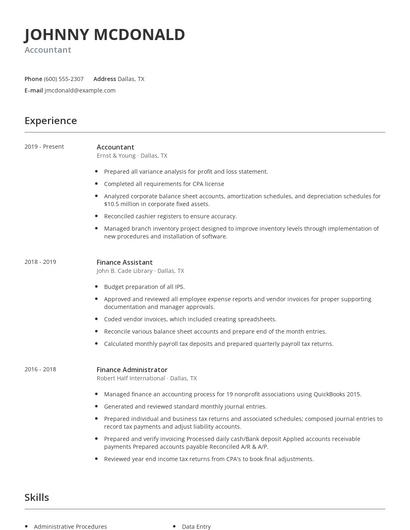
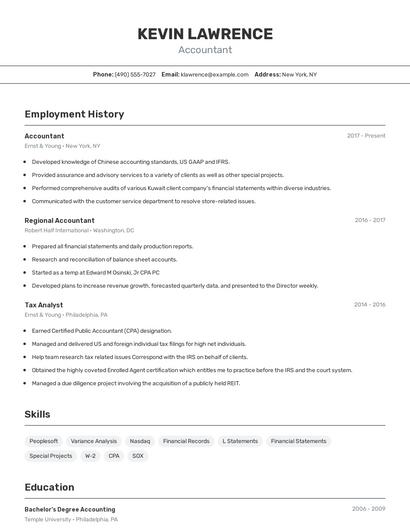
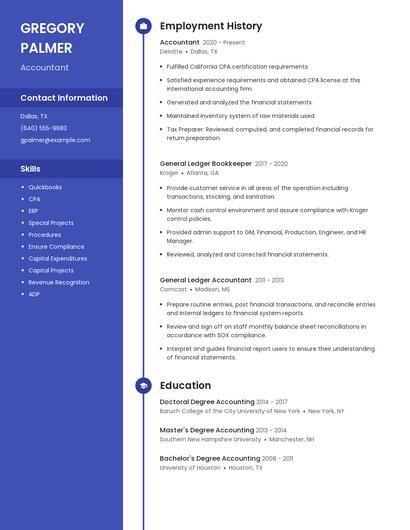
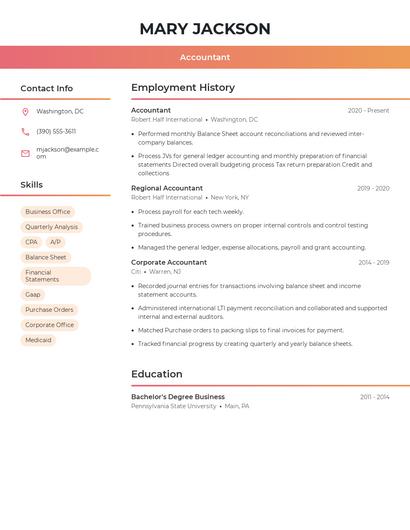
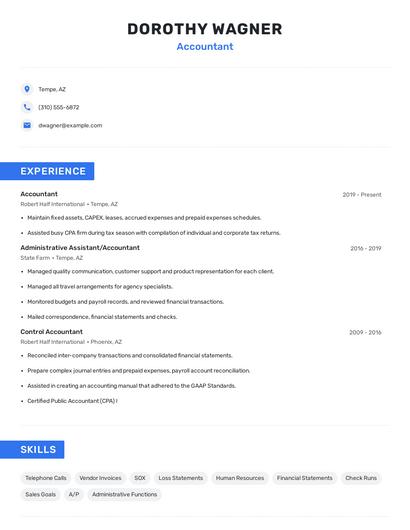
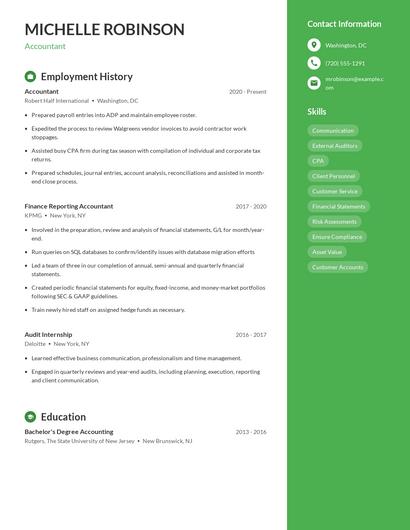
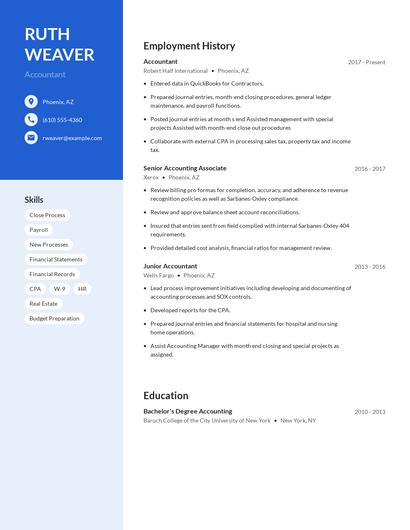
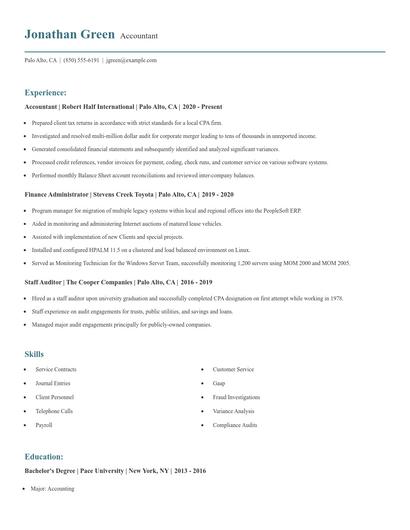
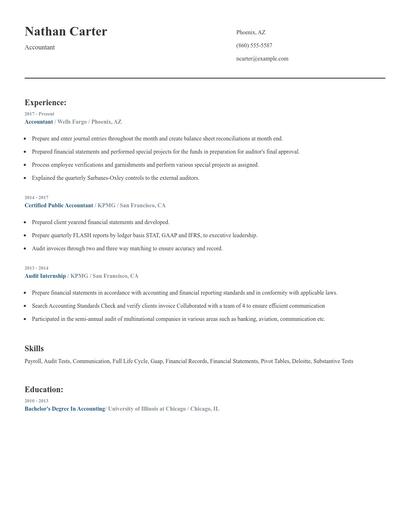
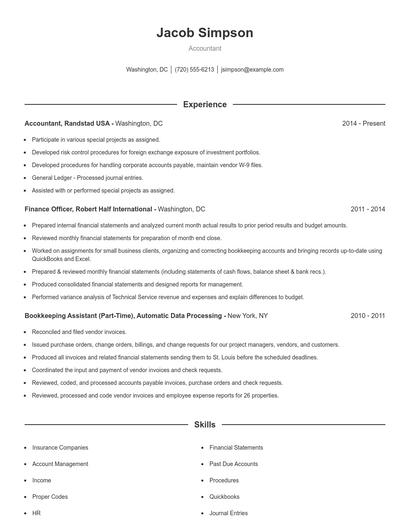
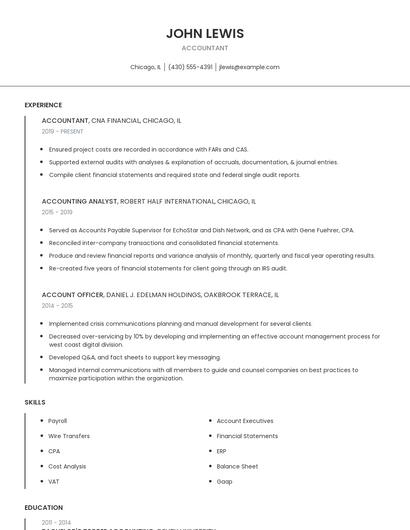
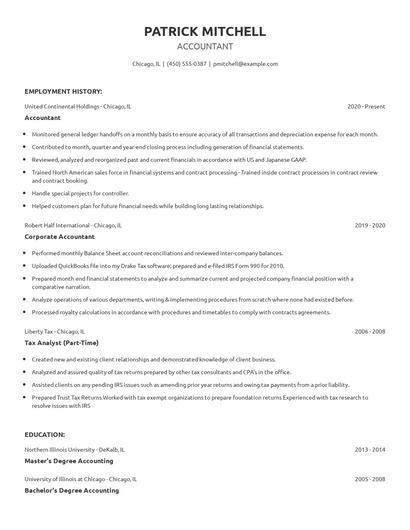
Choose from 10+ customizable resume templates
Zippia allows you to choose from different easy-to-use templates, and provides you with expert advice. Using the templates, you can rest assured that the structure and format of your resume is top notch. Choose a template with the colors, fonts & text sizes that are appropriate for your industry.