Explore jobs
Find specific jobs
Explore careers
Explore professions
Best companies
Explore companies
This question is about librarian.
How to get a library job with no experience
You get a library job with no experience by getting the proper education and becoming active in the library. Most librarian positions require a master's degree in library science, although you may find some positions accepting bachelor's degrees in combination with a teaching certification.
Library science is a discipline that can also be referred to as information studies. The field focuses largely on how to classify and use data or objects that emphasize the importance of preserving knowledge and promoting literacy. Library science is constantly changing and is about more than card catalogs and old dusty books.
Specializations are also possible within library sciences, with most librarians choosing areas like legal libraries or public libraries. These specializations are also evolving as technology creates new strategies for sharing, managing, and organizing information.
After you get the required education (or while you are getting it), it is important to get involved at your local library. You can start by volunteering. Volunteer work typically involves tasks like library maintenance, sorting and shelving books, and assisting with events like literacy programs or book donations.
Learning the ins and outs of these areas is invaluable to an employer and helpful to include on a resume. Plus, volunteering in the library can give you the inside track on what (and when) positions are becoming available for permanent employment. Keep in mind that for some libraries, the volunteer application process can be quite intense.
For example, at The Chicago Public Library, volunteers must go through an interview process, fingerprinting, and a background check. In some cases, the schedule can be quite demanding, so you must weigh whether or not you have time in your schedule for volunteering, especially if you are going through your graduate program.
If you don't have the time to volunteer, another possible option is serving on a committee or task force for your state library association or even the American Library Association (ALA). The ALA has hundreds of committees and roundtables that interested parties can sign up for.
These committees and task forces do not require experience, and they believe that current library school students can provide thoughts and insights on current issues. This is a great opportunity for networking as talking with other members gets your name out there and shows that you want to get involved.
Internships are another way to get exposure and get your foot in the door with a library. Ask your academic advisor or other faculty members about opportunities in the library. These internships can be difficult to get as there are not usually many spots available, so be ready to make a good impression and have reference letters available.
Lastly, you can look to gain exposure and grow your network by becoming active in the library social networking community. Join discussion boards or listservs on www.ala.org and start talking. This will get your name out there and help you to stay on top of current trends and issues in the profession.

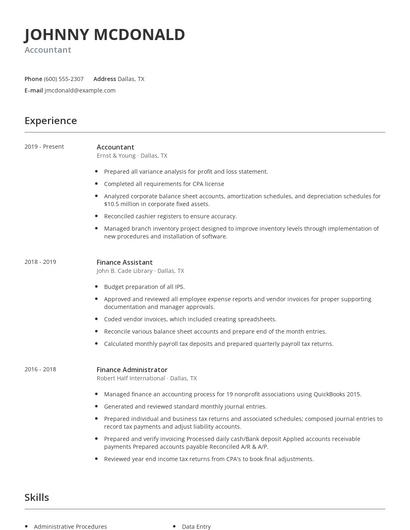
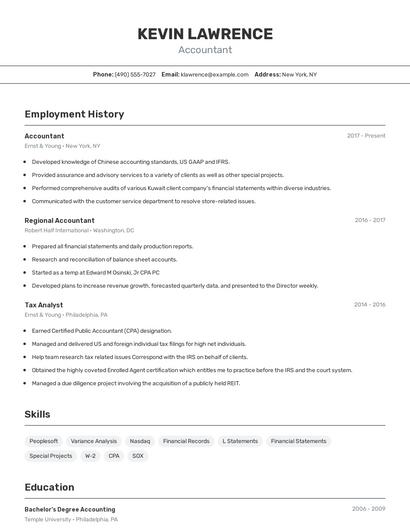
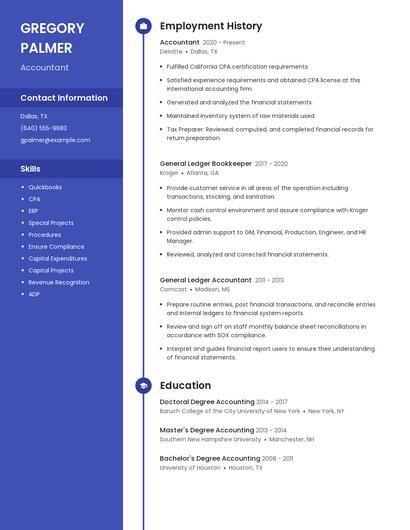
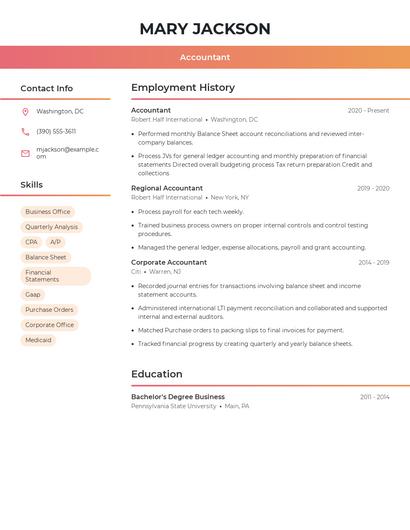
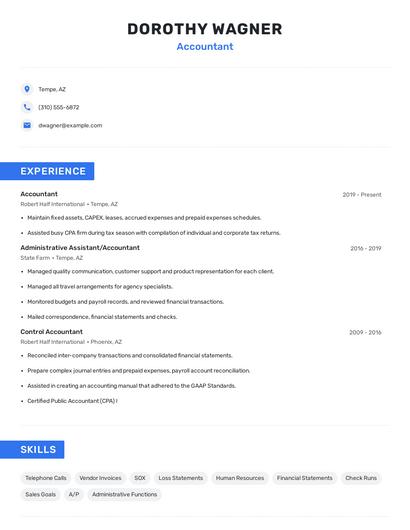
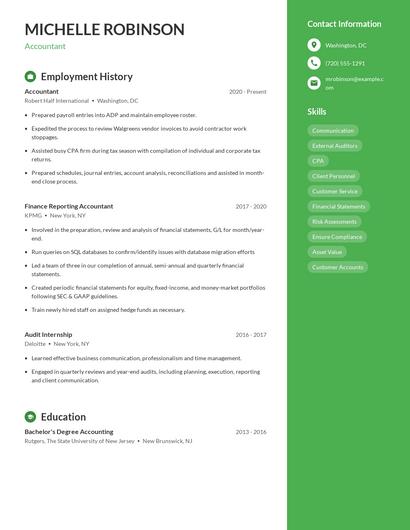
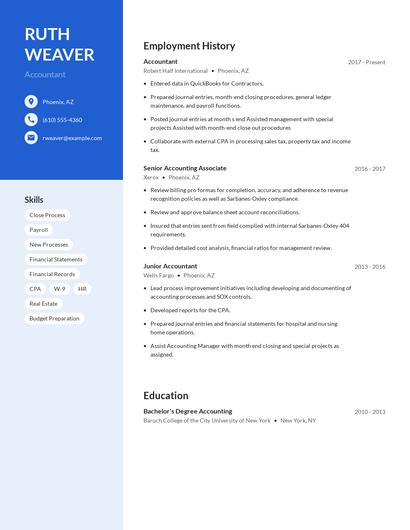
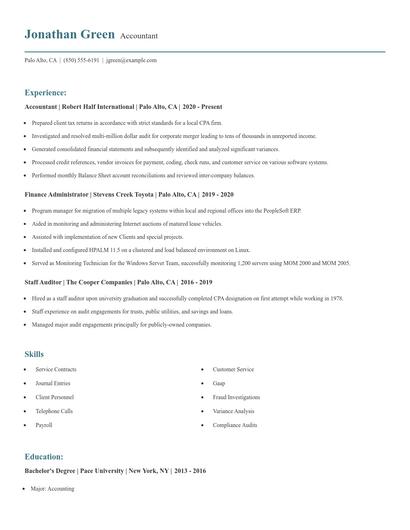
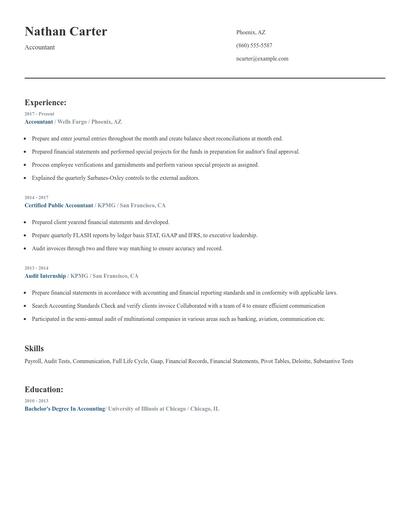
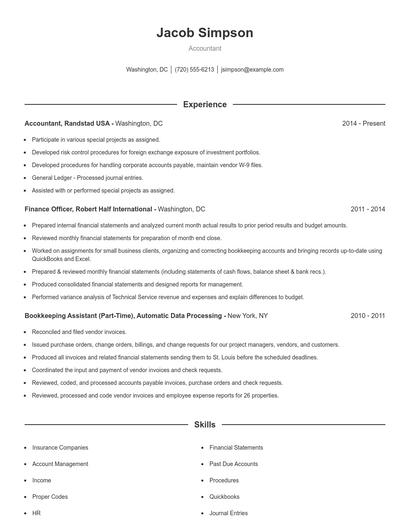
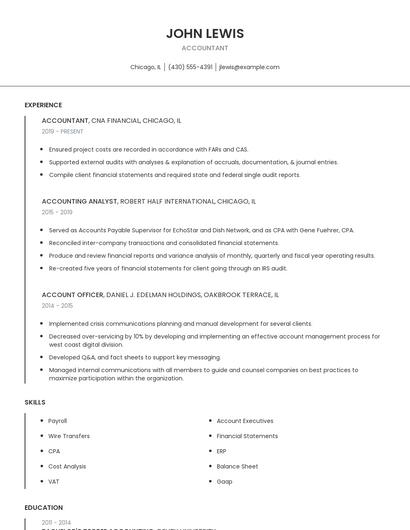
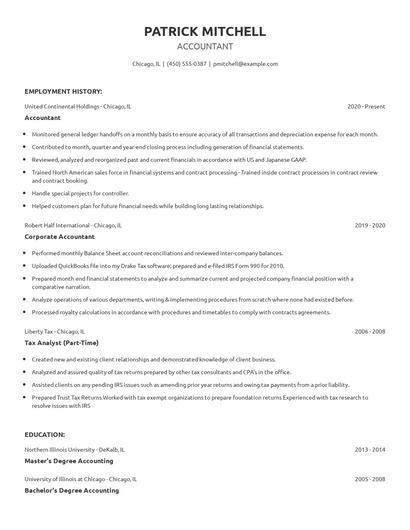
Choose from 10+ customizable resume templates
Zippia allows you to choose from different easy-to-use templates, and provides you with expert advice. Using the templates, you can rest assured that the structure and format of your resume is top notch. Choose a template with the colors, fonts & text sizes that are appropriate for your industry.