Explore jobs
Find specific jobs
Explore careers
Explore professions
Best companies
Explore companies
This question is about what a nurse does.
How to reduce nurse burnout?
You reduce nurse burnout by leaving work at work, keeping an open dialogue, and building self-care into your day. Nurses have one of the highest-risk jobs for chronic stress and burnout among healthcare professionals, especially when workloads are high and they don't feel valued.
Signs of burnout in nursing include:
Physical or emotional exhaustion
Feeling overworked and underappreciated
Feeling ineffective as a nurse
Lack of focus
Lack of patience
Loss of enthusiasm about your work/compassion fatigue
Irritability or agitation
Feeling emotionally drained
Trouble falling or staying asleep
Depression
Anxiety
Nurses are at high risk for burnout due to their long hours, sleep deprivation, and working in a high-stress environment. Sleep deprivation is listed as one of the most widespread issues in the nursing profession as they work long hours and consecutive shifts.
In 2018, 25% of nurses reported that they could not get adequate sleep between work shifts. The emotional strain from caring for patients can also be highly stressful for nurses, especially those who work in critical or end-of-life care. Dealing with low recovery or high mortality rates can be a huge emotional letdown.
Additionally, nurses who care for more than 4 patients at a time are more prone to burnout. Each additional patient increases their risk for burnout by 23%. Fortunately, there are ways to prevent and manage this type of stress, including leaving work at work.
It can help nurses to have rituals when they transition from work time to personal time. This can be especially important when working from home. For example, nurses can get to a stopping point with current tasks and write down a list of all of the things that need to be taken care of the next morning.
If commuting, it might help to identify a boundary like a river or a highway and think about leaving work on the other side once that boundary is crossed. It is also important to avoid answering emails or looking at messages outside of work hours. This can help you to focus on activities and enjoy your time off of work.
Another great way to leave work at work is to schedule a time to do what you enjoy. This may include engaging in hobbies like crafting, solving puzzles, or spending time with your family. If you often bring work devices home, consider storing them in a bag or drawer to help you focus on enjoyable activities.
This may also help improve your mood, which can increase your motivation when it's time to work again. If you're interested in reducing your stress levels, consider engaging in low-stakes hobbies to help you return to work feeling relaxed. Yoga and meditation are great hobbies that can leave you feeling calmer and more focused.
In addition to finding ways to leave work at work, it is important to keep an open dialogue with your boss, coworkers, and loved ones. Oftentimes, employers will say that they are blindsided when they find out an employee was struggling with burnout, and they had no idea.
It is a good idea for nurses to talk to their employers about their concerns before burnout becomes more serious. Like everyone else, nurses need support from people who care about them. Since they are often the ones helping, it can be a struggle to ask for support.
Try scheduling a regular date with a friend or family member to help you stay connected. Find ways to laugh, be silly, and have fun, but also make time to vent when you need to. It is important to have support and the freedom to express frustrations or other emotions that you have been holding back.
Keeping an open dialogue can help you to unburden yourself and free your mind from the isolation and struggles that you may be feeling. Peer consultation groups can also be a great way to process work stress with others who understand what you are going through while still protecting confidentiality.
Lastly, you need to practice self-care both physically and emotionally. A nurse must be able to recharge their batteries. After all, "you can't pour from an empty cup." Physical and mental health are directly related and to that end, you must take care of both.
Whenever possible, remember to take time off. A vacation is the best way for you to get away, unplug, and leave the stress behind.
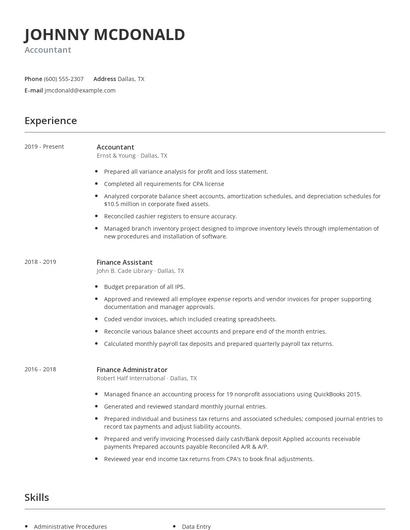
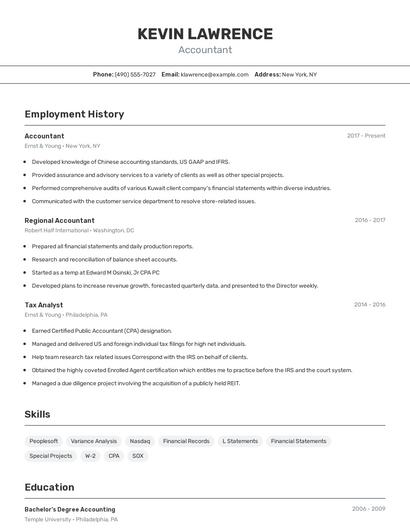
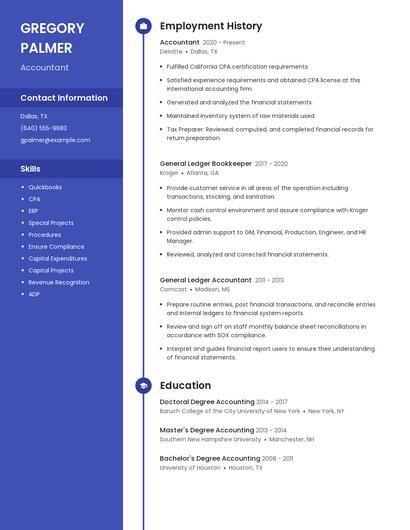
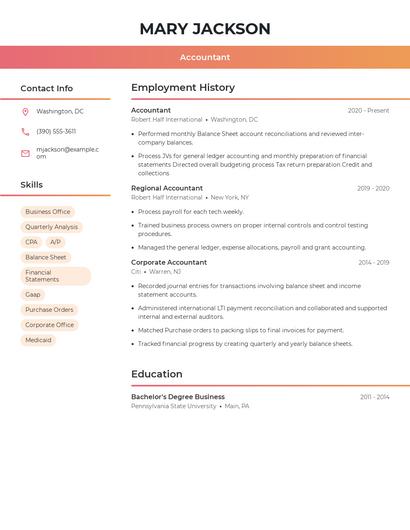
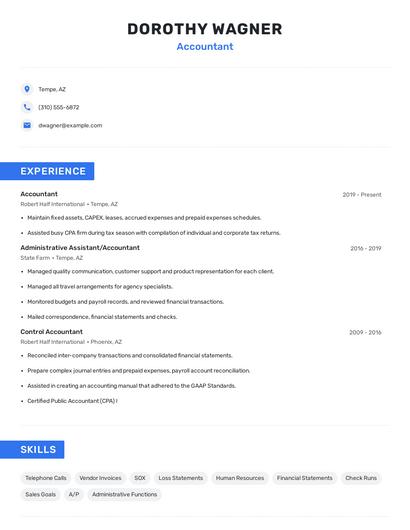
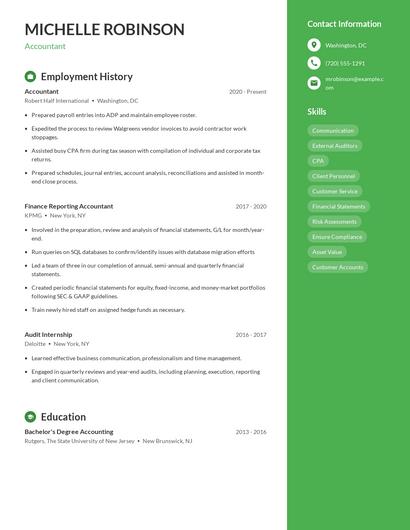
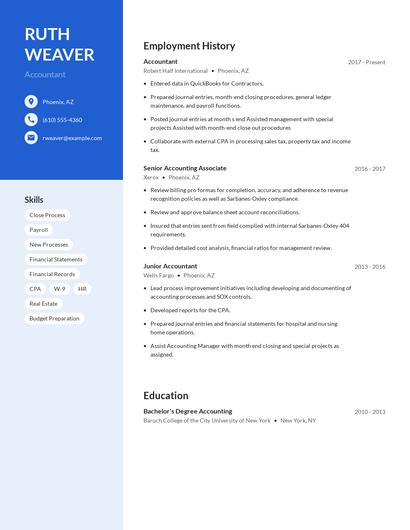
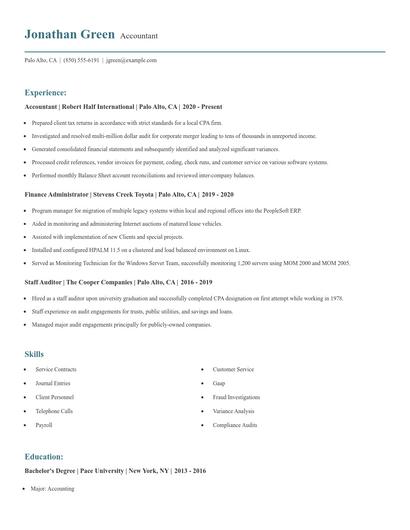
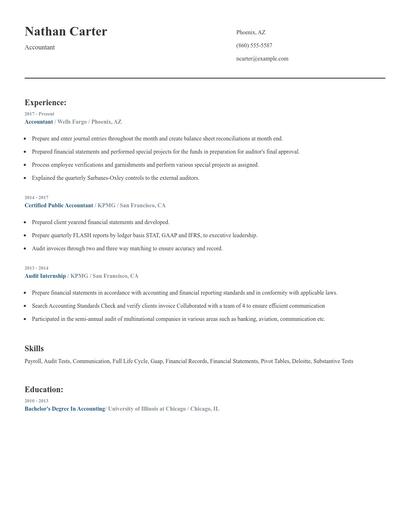
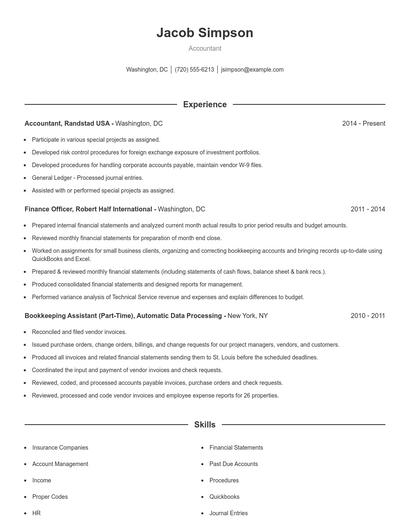
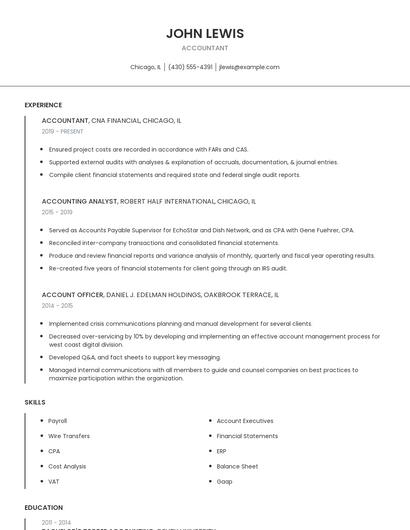
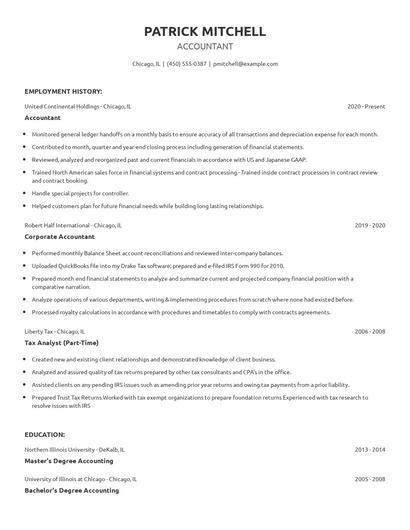
Choose from 10+ customizable resume templates
Zippia allows you to choose from different easy-to-use templates, and provides you with expert advice. Using the templates, you can rest assured that the structure and format of your resume is top notch. Choose a template with the colors, fonts & text sizes that are appropriate for your industry.