Explore jobs
Find specific jobs
Explore careers
Explore professions
Best companies
Explore companies
This question is about tutor.
How to start a tutoring business
You need to determine who you will tutor, build or expand your knowledge and education, and select a tutoring business model in order to start a tutoring business. For more details on these steps and others you can take to start a tutoring business, reference this guide:
Determine who you will tutor. The very first step is to figure out who and what you want to tutor. This step is crucial because it affects your entire business plan.
Here are some things to consider when making this decision:
What grades do you want to tutor?
The subjects you cover and the teaching style you employ will vary widely, depending on if you want to tutor elementary school students, middle-school students, high school students, or college-level students.
Do you want your tutoring business to focus on a specific test?
Many tutoring businesses stand out and become lucrative because they specialize in tutoring a certain test or exam. Tutoring in a niche area can help you corner a specific area of the tutoring market in your community.
Will your business do one-on-one tutoring, group tutoring, or a mixture of both?
Depending on the subjects or tests you are going to provide tutoring services for, you may choose to do any of these options.
Do you want your tutoring business to be online, in-person, or a combination of both?
This may come down to personal preference or if you want to be a mobile tutoring business or if you want to rent a commercial space for your tutoring business. Think about the type of tutoring you want to provide and choose what makes the most sense.
Expand your knowledge and education. As a tutor, you should have at least a bachelor's degree, and if you also have an educational degree, that is an added bonus.
This also goes for any employees you may hire. Your expertise and knowledge will be what makes your tutoring services attractive to students and parents.
It's best if you can find a niche to tutor in, as was mentioned above. Starting a tutoring business focused on STEM subjects, which include science, technology, engineering, and math, is great because they are in-demand skills.
Within those subjects, you can narrow your niche even further by focusing on trigonometry or how to write a college-level research paper. You could also find a niche in a standardized test, like the SAT, for college admission, or LSAT, for law school. This can be a very lucrative niche; for example, SAT preparation course from The Princeton Review can cost as much as $899.
Try to stay as current as possible with the subject(s) you choose. To do this, you need to do a fair amount of research into current syllabuses. You might also have to take some online courses yourself to brush up on any areas you need to.
You might also want to consider getting certified. Certifications prove that you are a qualified tutor and make gaining clients a lot easier process. The National Tutoring Association is one institution to seek certification from, but there are also other helpful certifications you can obtain in this field.
Select a tutoring business model. You have a few different options with this step. It's important to make the right choice as it applies to the previous steps you have taken to start your tutoring business.
One option is to purchase a tutoring franchise. This is a great option if you would rather operate within an existing tutoring business model. There are many different tutoring franchises, such as Sylvan and Kumon. Buying a franchise does have its drawbacks, though; these include startup fees and a certain lack of freedom in how you run your tutoring business.
Another option is to start a home-based tutoring business. This is the best option if you don't have much startup capital or you want to keep your costs down. You can designate a certain space or room inside your home to be your tutoring office.
If you do this, some of the things utilized in that space may be tax-deductible. A home-based tutoring business gives you the freedom to choose whether you meet your students at your home or online.
A costly option is to purchase or lease a commercial space to run your tutoring business. If you have the capital, this is a great option; however, you will need to spend a good deal of money to get things up and running.
Purchasing furniture, supplies, technology, and many other things will be required for you to buy. You'll also have to hire staff and not just other tutors, but most likely administrative staff as well.
Your last option is to be a traveling tutor. You can go to students' homes or meet them at public places, such as libraries, for your tutoring sessions. This might also be an added bonus for parents because they won't have to take time out of their busy schedule to bring their child or teenager to your home or office space.
Car mileage and other travel expenses can also be a tax deduction with this one.
Figure out your pricing. For this step, you need to do some more market research if you haven't already in this area. Find out what most tutoring businesses or independent tutors charge for their services.
You need to have competitive rates that still cover any overhead costs you have. Tutors, on average, in the United States earn salaries between $14,000 to $42,000 per year and have an average wage of $22 per hour. You don't only need to know this for yourself but also for any tutoring employees you may hire.
Market your tutoring business. Use the internet to market your tutoring business.
In the modern world, social media is a critical marketing tool. You should create social media accounts for your business and try to gain friends and followers. You can post about your services and pricing, as well as any success stories with students or clients.
Similarly, you should also develop a website for your business. This is relatively inexpensive, and if you have some extra cash, you can hire a professional to do a stellar website for your business.
Your website should include your pricing and contact information, as well as things like customer testimonies about your services. Make sure your social media business accounts link to your website and vice versa.
You should also consider making business cards and fliers. You can hand out the cards on college campuses or at PTA events for students in high school and under. You can post fliers in relevant places, such as a library or other community centers.
One of the best forms of marketing for a tutoring business is word of mouth. Here you don't actually have to do much of the marketing at all; just simply provide very good services to your customers and ask your clients to recommend you to other possible clients and customers.
Parents are often very selective in who they choose to hire for tutoring services, so it helps if you have other clients that can vouch for your expertise. You can also offer discounted rates for tutoring sessions to clients as an incentive if they help you obtain any new clients.
Prepare yourself for the challenges of tutoring. Like any industry, there are specific difficulties that can occur. It is a good idea to familiarize yourself with some of the semi-negative aspects of tutoring, so you can properly prepare for them.
As a tutor, you must make a schedule that accommodates your clientele. Many of your students will be in school during the day, meaning you can only provide your services to them in the late afternoon or evening. Sometimes when tutoring college students, their availability is even more limited.
Your schedule might be erratic and non-traditional in terms of working hours. You need to be prepared to sacrifice some of your nights and even some of your weekends for your students.
Tutoring takes a lot of patience. Some students struggle more than others when learning certain subjects or concepts. Coaching your students requires an awareness of their ability level and the patience to keep on helping them when they can't understand something.
Attempt to learn different teaching styles that you can employ in different situations. What works for one student may not work for another, and so on. It's up to you to figure out the best way to teach and guide your students, so you must remain accountable for that.
Oftentimes, you'll need to appease the parents of the student you are tutoring. In a lot of cases, you'll be pitching and selling your services to parents rather than their children. So, it's important to keep parents' happiness in mind and try to create a comfortable and conducive environment to tutor your students in. Customer service skills can go a long way in this area.
Some tutoring businesses run into zoning issues. If you plan on providing your service at your home, you need to make sure you are in compliance with any state or city-related zoning regulations. Zoning requirements will vary from state to state. Do the proper research into your business's state and location to avoid any zoning problems.
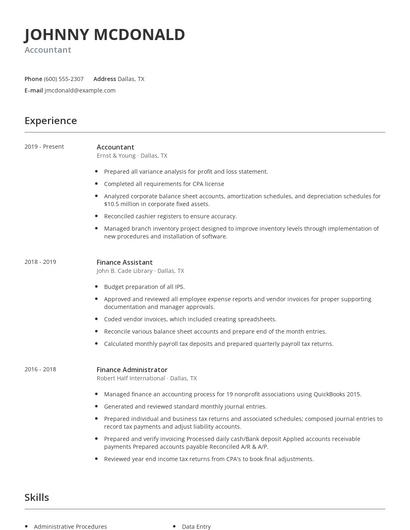
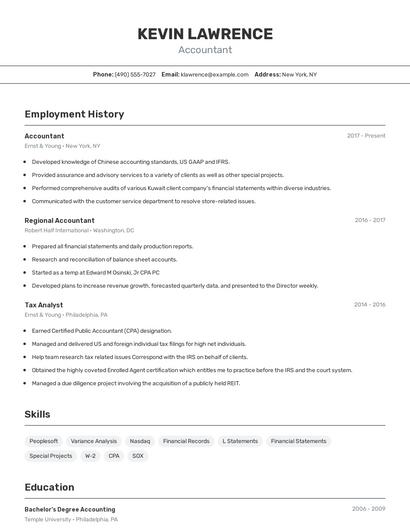
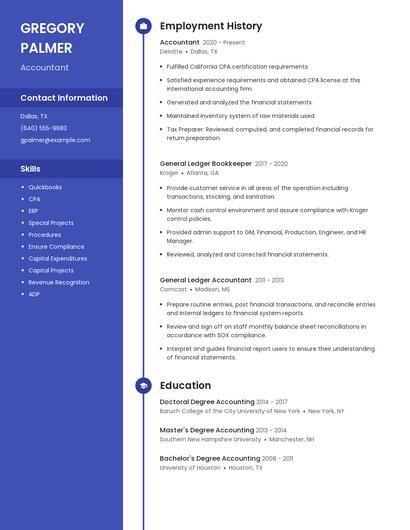
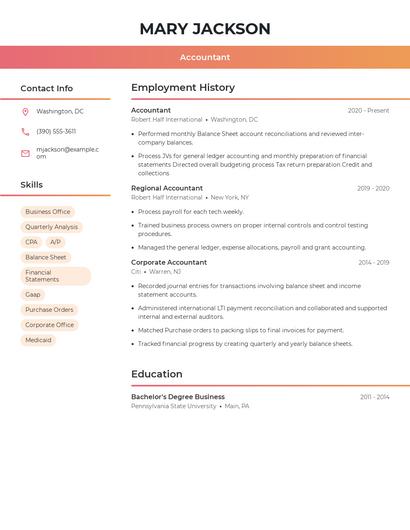
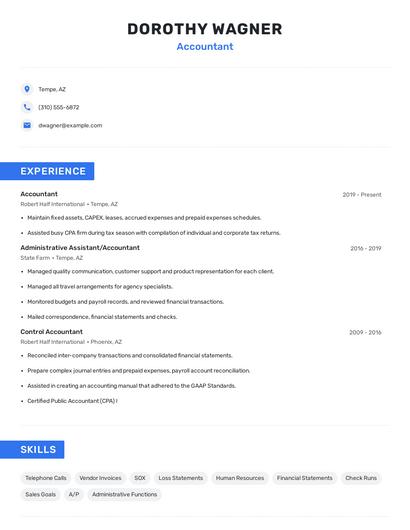
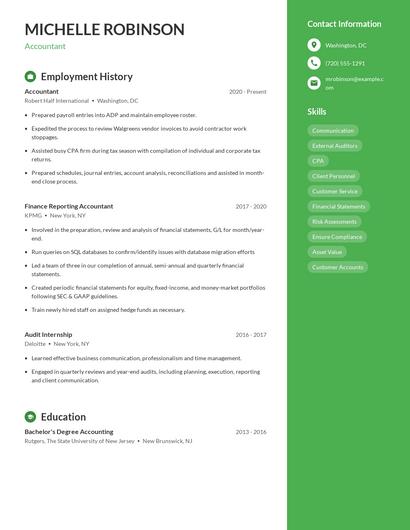
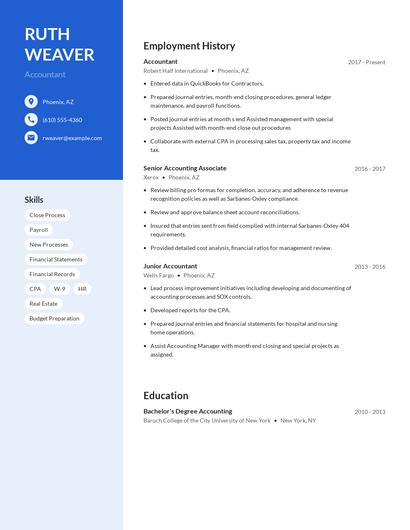
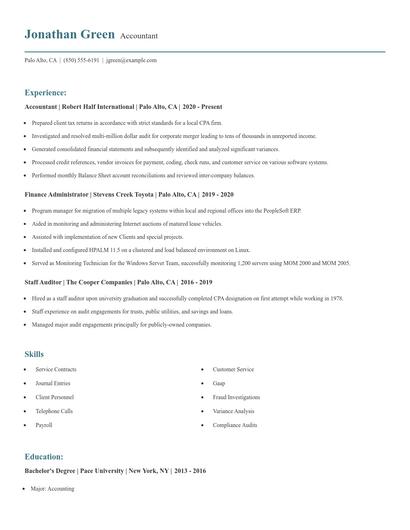
Choose from 10+ customizable resume templates
Zippia allows you to choose from different easy-to-use templates, and provides you with expert advice. Using the templates, you can rest assured that the structure and format of your resume is top notch. Choose a template with the colors, fonts & text sizes that are appropriate for your industry.